Eco-Friendly Fire-Starter Solutions: Reusable vs. Disposable Tools
Explore eco-friendly fire-starting options with reusable lighters and matches. Learn how these sustainable alternatives help reduce environmental impact by preventing plastic waste and deforestation. Discover the benefits of rechargeable and refillable devices that promote durability and eco-conscious living.
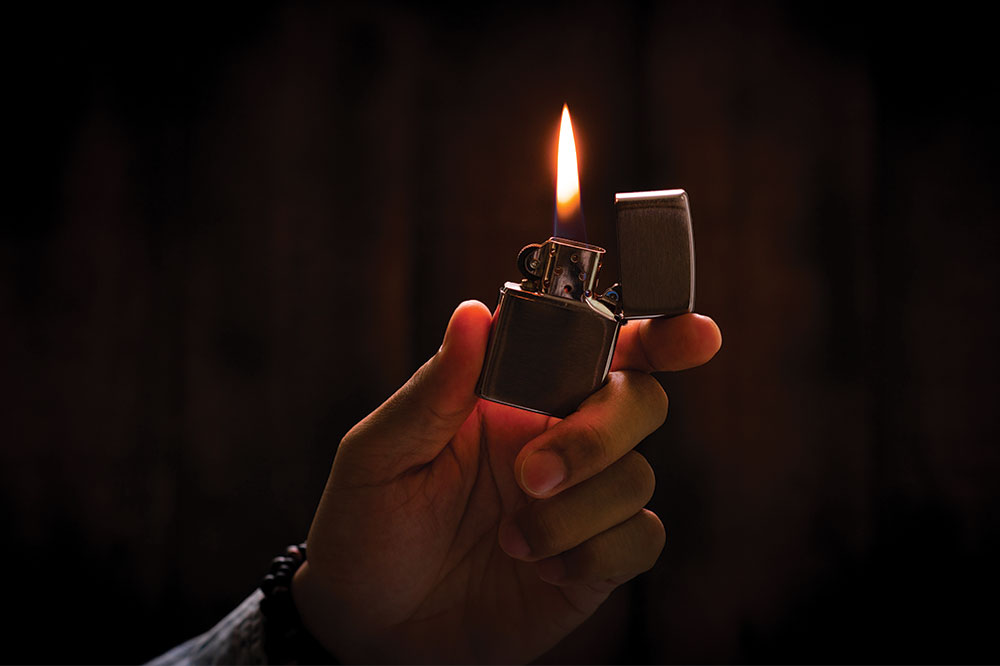
Sustainable Fire-Starting Options: Reusable Lighters and Matches
Plastic lighters are common and convenient, but their environmental footprint has raised concerns recently. To promote sustainability without sacrificing ease of use, reusable matches and lighters are gaining traction. Let's examine why opting for reusable fire-starting devices is a greener choice.
Environmental Concerns with Plastic Lighters
Single-use plastic lighters can only be used until the fuel depletes, after which they are discarded. These items contribute significantly to global pollution, often accumulating in streets, waterways, and landfills. Marine life suffers when plastic debris is mistaken for food—seabirds and sea creatures ingest plastic, leading to injury or death. Research indicates that almost 90% of seabirds have ingested plastic fragments.
Traditional wooden matches are biodegradable and leave no persistent waste after use. However, their production involves harvesting trees, raising environmental concerns.
Many matches are derived from Aspen trees, with about one million matches produced per tree. Given that around 500 billion matches are lit worldwide each year, this process results in the felling of approximately 500,000 Aspen trees annually. Such practices contribute to deforestation and habitat destruction.
Benefits of Reusable Fire-Start Devices
Rechargeable match lighters equipped with batteries can be used repeatedly—often between 200 to 300 times—simply by plugging into a USB port. They serve as durable, eco-friendly alternatives. Refillable gas lighters, typically made from brass, also offer long-term use, lasting decades and reducing waste.
Disclaimer: This article aims to inform readers about eco-friendly fire-starting options. While efforts are made to ensure accuracy, data updates may occur elsewhere. Please verify information before purchasing or adopting sustainable fire-starting tools.