Supporting Senior Mental Wellbeing: Strategies and Prevention
This article highlights the importance of recognizing and supporting mental health among the elderly. It emphasizes understanding emotional needs, early detection of depression, and effective prevention strategies. Practical advice is provided for families and healthcare professionals to help seniors maintain mental well-being, reduce loneliness, and prevent suicide. Increasing awareness and implementing routine screenings are crucial for safeguarding seniors' mental health and improving their quality of life.
Supporting Senior Mental Wellbeing: Strategies and Prevention
As global life expectancy increases and living conditions improve, the elderly population is expanding rapidly. Many communities remain unprepared for their specific mental health requirements. Shift from extended families to nuclear households often leads to increased loneliness among seniors. Although social media connects us, it can sometimes deepen feelings of isolation, resulting in higher rates of depression and suicidal thoughts among older adults.
Older individuals tend to rely more emotionally on others. Addressing their emotional needs is essential to prevent mental health issues.
Consequences of Unmet Emotional Needs
Humans are naturally emotional beings. When these emotional needs go unmet, feelings of loneliness and sadness emerge, impacting cognitive functions. Persistent low mood can develop into clinical depression. Relying on others excessively can also lead to feelings of inadequacy, worsening mental health struggles.
Identifying Depression in Seniors
Depression in the elderly is often overlooked due to limited research. Many older adults find it hard to recognize or express their symptoms, misunderstanding them as normal aging, which delays diagnosis and treatment.
This oversight can have serious outcomes. Untreated depression can increase the risk of suicide among seniors, who may feel hopeless and unaware that help is available.
Prevention and Support Tips
To address this issue, consider these strategies:
Educate families on understanding and supporting their elderly relatives
Assist seniors in recognizing depression signs and seeking help
Raise awareness about mental health challenges faced by seniors
Implement regular depression screening initiatives
Include mental health assessments in routine elderly healthcare
Establish helplines dedicated to senior mental wellbeing
Train medical professionals to detect early depression symptoms in older adults
Spotting Depression in Older Adults
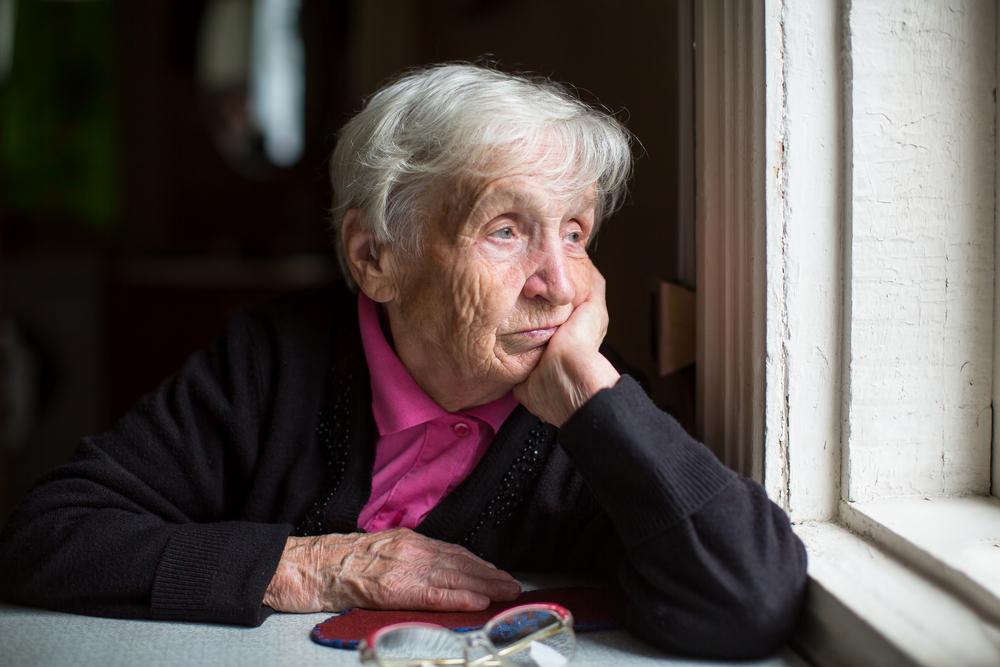
Detecting depression involves open dialogues. Watch for signs like hopelessness, disinterest in activities, social withdrawal, conversations about deceased loved ones, prolonged silence, or sleep disturbances. A sad facial expression can also be an indicator of depression and a risk factor for suicide.
Steps to Take if Depression or Self-Harm Is Suspected
If you suspect an elderly individual is depressed or has suicidal thoughts, encourage professional mental health support promptly. Therapy and medication can be effective. Engaging seniors in meaningful activities and fostering social bonds can help reduce despair and prevent suicides.
Disclaimer:
This article provides insights into mental health issues among seniors, focusing on prevention and early detection. It is for informational purposes only and not a substitute for professional advice. Consult mental health experts for specific concerns. The information may not cover all available resources or programs.