Proven Methods to Prevent and Treat Summer Heat Rash
Learn effective methods to prevent and treat heat rashes during hot weather. This guide covers early detection, skincare tips, and home remedies to keep your skin comfortable and healthy throughout summer. Stay cool, wear appropriate clothing, and seek medical help if needed to avoid complications and enjoy the season comfortably.
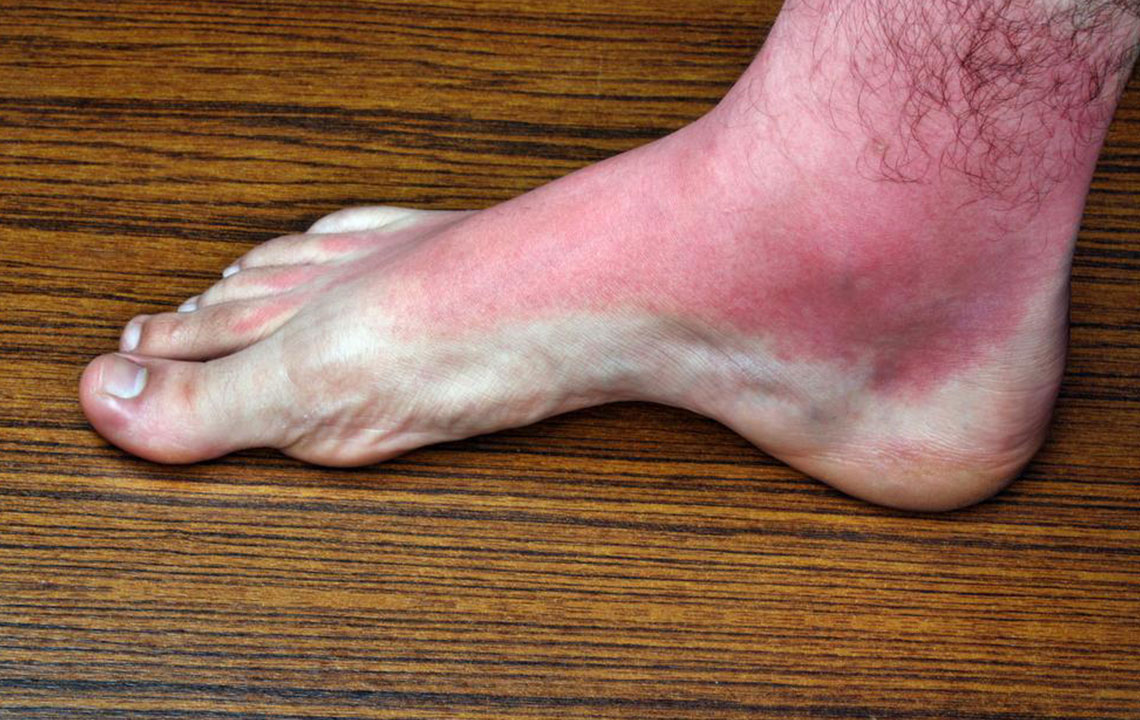
Proven Methods to Prevent and Treat Summer Heat Rash
Heat-related skin issues like rashes are common during hot seasons, especially in covered areas. Excess heat blocks sweat ducts, causing itching and discomfort. All age groups, from children to seniors, are susceptible. Early detection and proper treatment can prevent escalation. Alongside home remedies, preventive steps such as wearing loose clothing, staying cool, and maintaining skin dryness can minimize risks. With correct care, you can enjoy the summer comfortably without skin irritation or discomfort.
Heat rash is a widespread issue in hot weather, so there's no need to panic. If symptoms persist or worsen, consulting a dermatologist is advisable to exclude other skin conditions. Symptoms include pink or red spots, itching, and swelling anywhere on the body. If left untreated, secondary infections could occur. Mild rashes generally resolve in a few days, but increased redness, pain, or fever require medical attention.
Preventive measures include wearing loose, breathable clothing, staying in cool environments, and keeping skin dry. Drinking plenty of water helps regulate body temperature, while frequent showers wash away sweat and prevent pore blockage. Using gentle soaps and avoiding oily products can reduce irritation. Early intervention with appropriate treatments lessens discomfort and prevents complications.
For severe cases, topical agents like calamine lotion relieve itching, and medications such as corticosteroids may be prescribed by doctors. Applying lanolin can help prevent duct clogging and promote healing. Keeping cool, staying hydrated, and opting for breathable fabrics during peak heat are effective prevention strategies. Using air conditioning and taking regular showers decrease the likelihood of rashes. Proper skincare protects against UV rays and pollutants that can worsen skin conditions.
Disclaimer: Our blog provides general information for educational use. For personalized medical advice, please consult healthcare professionals. We do not take responsibility for inaccuracies, and some suggested products or treatments may vary based on individual needs.