Key Questions About Proper Protein Supplement Use
This comprehensive guide explores essential questions about protein supplements, emphasizing their role in muscle building, how to choose the right products, optimal intake, and best timing for consumption post-exercise. It offers practical tips to optimize muscle recovery and growth for enthusiasts and athletes alike.
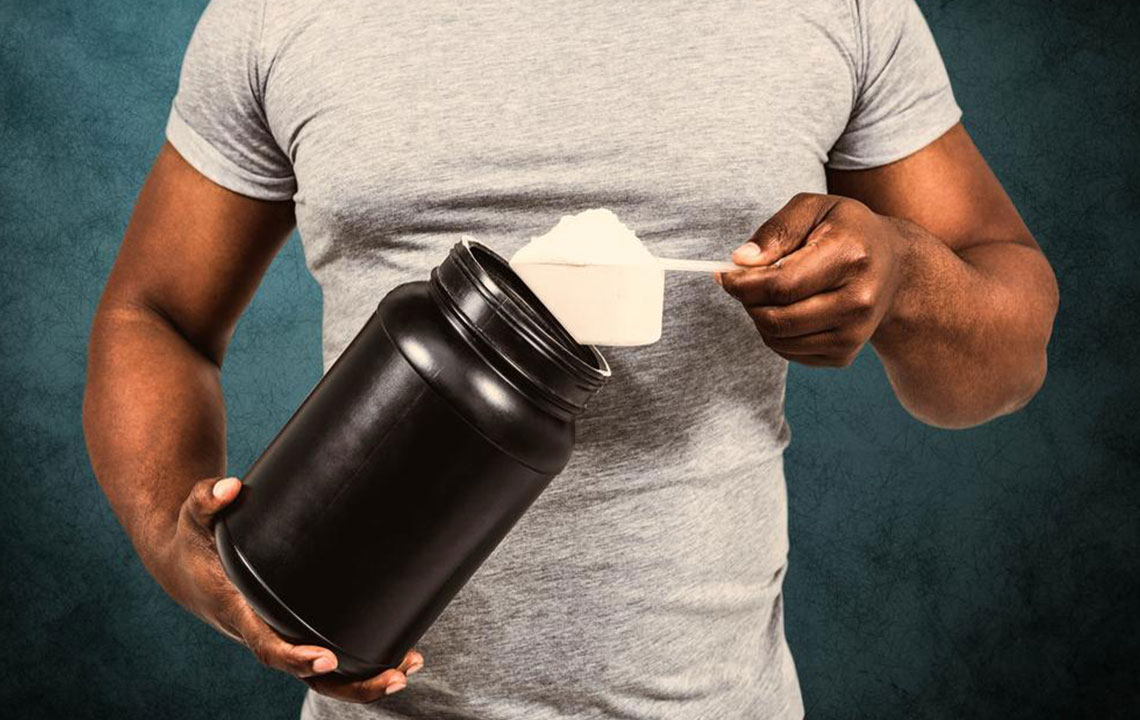
Guidelines and Insights on Protein Supplements
Why are proteins essential for muscle growth?
Proteins consist of amino acids crucial for building, repairing, and maintaining muscle tissue. They include elements like Oxygen, Hydrogen, Carbon, and Nitrogen. Nitrogen, in particular, supports muscle synthesis by promoting a positive nitrogen balance—similar to how nitrogen boosts speed in racing engines. Consuming enough protein keeps your body in an anabolic state, encouraging muscle gain. Insufficient protein leads to muscle breakdown, slower recovery, higher injury risk, and hindered progress—especially for athletes.
Why choose protein shakes over whole foods?
While foods like fish or soy can provide protein, absorption rates differ. For example, soy offers about 61% absorption, fish around 80%, whereas whey protein—common in powders—nearly achieves 100% utilization. This rapid absorption makes protein shakes a practical choice for quick muscle recovery and growth, especially after workouts.
How to select the most suitable protein supplement?
The Biological Value (BV) indicates how efficiently a protein is absorbed and used by the body. A higher BV implies faster digestion and better muscle-building results. Whey protein, with a BV of 104, is highly effective for quick muscle development. Besides BV, consider ingredient quality, flavor, and purity. Always opt for trusted brands to ensure safety and maximum efficacy.
What is the recommended daily protein intake?
A common guideline is consuming about 1 gram of protein per pound of body weight. For instance, if you weigh 150 pounds, aim for 150 grams daily. When increasing protein intake, also monitor your mineral levels—particularly calcium and magnesium—as they may deplete with high-protein diets. Adjust your intake based on your activity level and fitness goals.
When is the best time to drink protein shakes?
The optimal time is immediately post-workout, as your muscles are repairing minor tears. Protein reaches muscle tissues quickly—within 30 minutes—so consuming it right after exercise maximizes recovery, stimulates muscle synthesis, and enhances overall progress.
Using high-quality protein powders is an effective way to meet daily protein needs. Proper selection, timing, and consistent use can significantly improve muscle recovery and growth. Always research brands, read reviews, and choose reliable products to support your fitness journey safely and effectively.