Evolution and Significance of Puzzles Throughout History
Explore the history and evolution of puzzles, from their origins in the 1700s to modern competitive sports. Learn how puzzles enhance cognitive skills, their educational roots, and their role in today’s entertainment industry. Discover how puzzle formats have diversified and gained worldwide popularity among enthusiasts and competitors.
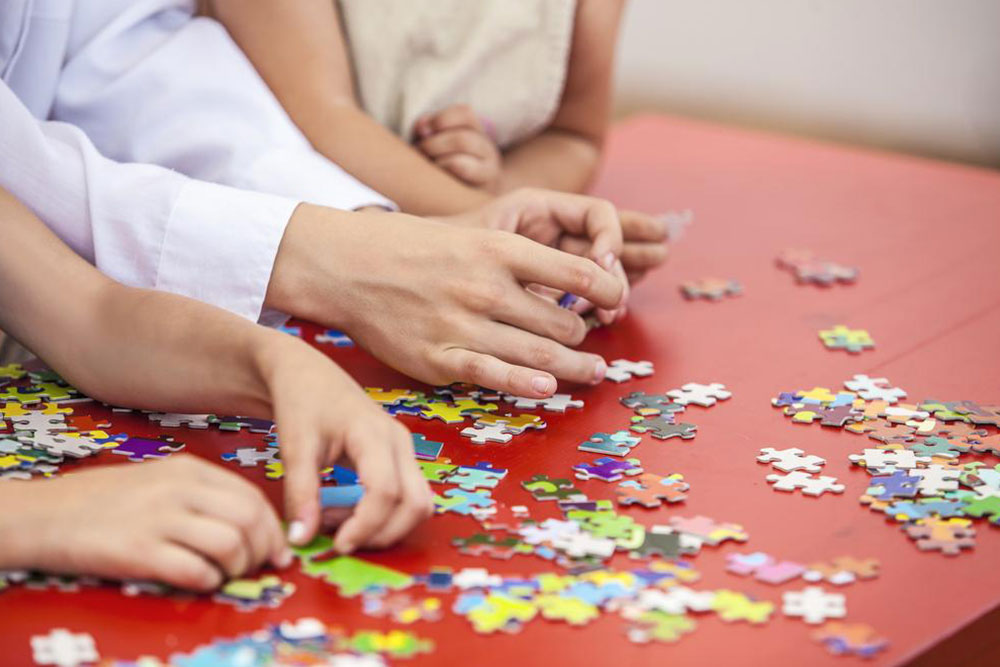
The Evolution and Significance of Puzzles Throughout History
Puzzles represent a wide array of challenging games designed to develop problem-solving abilities. They promote logical reasoning and pattern recognition, requiring players to piece together components to form a complete image or solution. Expert problem solvers often excel at working backwards and assembling complex pieces, making puzzles a popular mental workout for all ages.
The origins of puzzles trace back to the 18th century with the creation of jigsaw puzzles, which assemble images from interconnected pieces and serve both educational and entertainment purposes.
Some puzzles are timed tests that measure speed, while others offer relaxing leisure activities. They bolster analytical thinking and enhance skills like recognizing shapes, patterns, and fitting pieces accurately according to visual references.
The history of puzzles took a pivotal turn when British engraver John Spilsbury created the first educational puzzle by outlining regions on a map and cutting along borders. This revolutionary idea quickly gained popularity for teaching geography effectively.
Initially developed for educational purposes, puzzles have grown into various entertainment forms and competitive sports that demand strategic and mathematical precision.
From simple crossword puzzles to complex Rubik's Cubes, puzzle varieties have flourished globally. International competitions now attract talents, offering significant prizes and recognition to top performers.
Today, puzzles demand dedication and skill, drawing competitive enthusiasts worldwide who see them as both a mental challenge and a form of serious entertainment.