Global Indigenous Cultures and Their Heritage
This article explores the rich diversity of indigenous communities worldwide, highlighting their unique cultures, histories, and contributions to global biodiversity. From Native Americans and Maori to Sami and Ainu, discover how these groups preserve ancient traditions and play a crucial role in environmental conservation and cultural heritage upkeep.
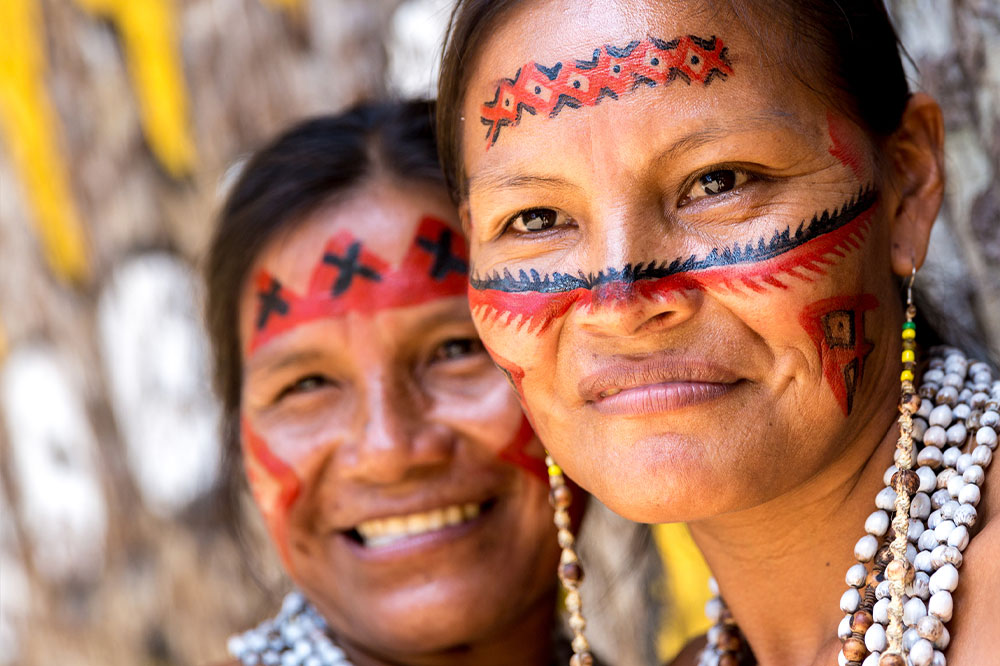
Global Diversity of Indigenous Communities
Indigenous peoples are communities that preserve ancient customs and languages linked to their ancestors. Around 6% of the world's population belongs to indigenous groups spread across different continents. Their rights are increasingly protected by international laws. Here are some prominent indigenous cultures around the world.
Native Americans
In North America, indigenous communities existed long before European contact in the 15th century, often called Native peoples.
Maori Originating from East Polynesia, the Maori are the original inhabitants of New Zealand, arriving between 1320 and 1350. They represent over 15% of the nation's population.
Kurds Residing across mountainous regions in Turkey, Iraq, Syria, Iran, and Armenia, the Kurds are an indigenous group with diverse religious practices, mainly Sunni Islam. They commonly speak Kurdish along with regional languages like Arabic, Persian, or Turkish.
Maasai The Maasai people are native to Kenya and northern Tanzania, renowned for maintaining age-old traditions. They communicate in Maa and are part of the Nilo-Saharan language family.
Scheduled Tribes in India Known as Adivasis, tribes such as Gonds, Santhals, Khasi, Garo, and Angami are recognized as India's indigenous groups, mainly living in Central and Northeast regions.
Sami People Indigenous to Scandinavia, the Sami are recognized as the official minorities of Northern Europe. They speak several languages, including Northern Sami and Lule Sami.
Mayan Communities In Mexico and Central America, Mayan groups number over 21, comprising more than half of Guatemala's population. They speak 26 indigenous languages.
Huli People From Papua New Guinea’s Southern Highlands, the Huli have inhabited their region for over a thousand years, famed for their distinctive wig-making traditions.
First Nations Australia’s Aboriginal peoples and Torres Strait Islanders are among the oldest civilizations, with roots tracing back to early human migrations from Africa.
Kazakh People Mainly living in Kazakhstan, Kazakhs descend from Turkic tribes and medieval Mongol groups, maintaining their cultural identity over centuries.
Nenets Residing in Arctic Russia, the Nenets are known for reindeer herding and nomadic lifestyles, migrating seasonally along traditional routes for generations.
Himba Tribe In Namibia's Kunene region, the Himba are Africa’s last nomadic community, recognized for their red ochre body and hair adornments since the 16th century.
Ainu Japan’s indigenous Ainu people inhabit Hokkaido, Sakhalin, and the Kuril Islands. Once hunters and gatherers, they face marginalization but preserve rich cultural traditions.
Inuit In Canada's northern territories, the Inuit, descendants of the Thule people, number eight groups who speak five languages. Recognized in the Canadian Constitution, they have preserved their cultural heritage over centuries.
Indigenous communities are vital in conserving over 80% of Earth's remaining biodiversity, protecting traditional knowledge and cultural diversity.