Effective Solutions for Dry Eye Relief and Care Strategies
Discover effective remedies for dry eyes, including appropriate eye drops and care tips. Learn how to identify causes, select the right products, and maintain eye health through regular check-ups. Proper treatment alleviates discomfort caused by inadequate tear production and environmental factors, helping you regain comfort and clear vision.
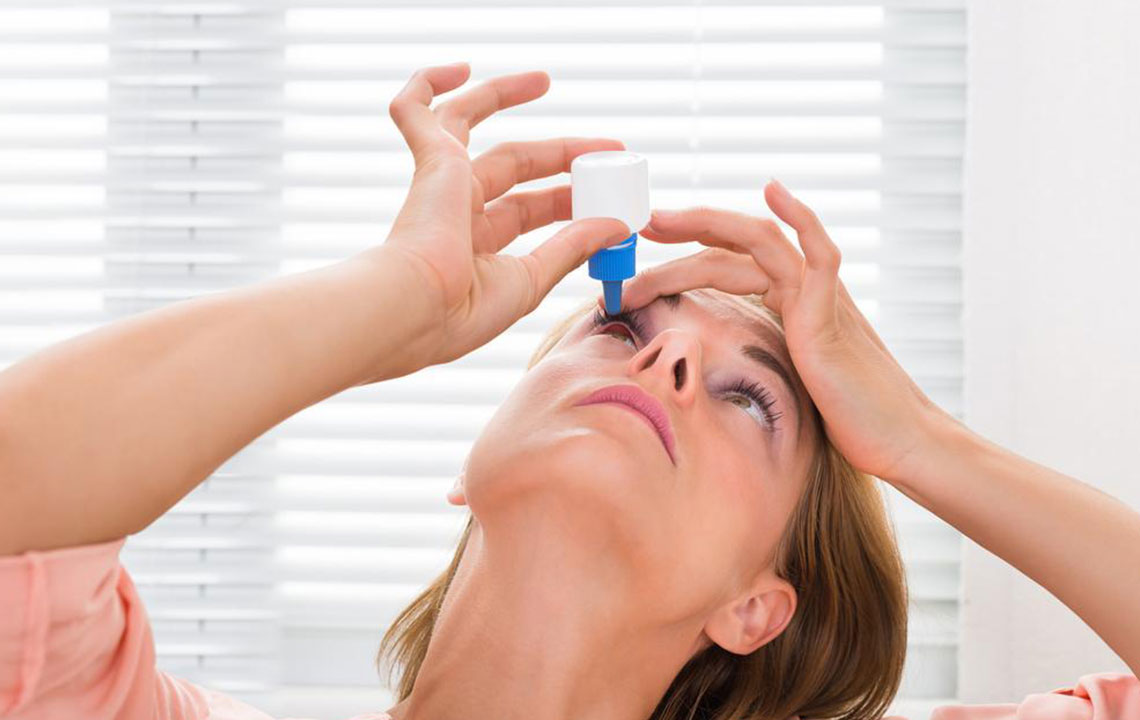
Effective Solutions for Dry Eye Relief and Care Strategies
Many people suffer from dry eyes, a widespread condition caused by multiple factors. Dry eyes result when the natural moisture in the eyes decreases below healthy levels, leading to irritation, burning sensation, and redness.
Environmental factors such as dust, smoke, and pollution, along with health issues and aging, contribute to this condition. Modern lifestyles, including extended screen use, poor sleep, and exposure to bright lights, can worsen dry eye symptoms. Typically affecting individuals over fifty, dry eyes can also be influenced by daily habits and environmental exposures.
Addressing dry eyes quickly is important. Dry Eye Syndrome occurs when tear production declines, leading to discomfort and a gritty feeling. Staring at screens for long periods without blinking increases this risk.
The market offers various eye drops designed to relieve dry eye symptoms. However, understanding the root cause is key before choosing a treatment. Knowing why your eyes feel dry helps in selecting the most suitable product.
Which eye drops are most effective for dry eyes?
When choosing OTC solutions, consider the cause of dryness and the ingredients in the products.
Questions to ask yourself include:
Lubricating drops typically contain humectants that help lock in moisture. Some may also include electrolytes like potassium to keep the eyes hydrated.
Prescription options such as Restasis (Cyclosporine) are beneficial for chronic dry eyes, especially when inflammation or conjunctivitis is involved. These require a doctor’s prescription, are used twice daily, and can increase tear production over time. Monitoring for side effects is recommended with long-term use.
For quick relief, over-the-counter gels and ointments can soothe irritation, redness, and burning. Gels are especially useful overnight for longer-lasting comfort.
Eye drops are available in preservative-free and preservative-containing forms. While preservatives help prevent bacterial growth, some users find them irritating and prefer preservative-free options, especially for regular use.
In severe cases, preservative-free single-use vials are recommended. If you experience burning or discomfort after application, consult your healthcare provider and rinse your eyes with clean water.
Regular eye check-ups are vital, as persistent dry eyes may indicate other issues. Routine exams help maintain eye health and prevent complications.
When treating dry eyes, avoid switching products often. Stick with those recommended by your eye care professional, rest your eyes regularly, and follow medical advice for significant relief from dryness.