Comprehensive Guide to Dry Eye Disease: Causes, Symptoms, and Remedies
This article provides an in-depth look at dry eye disease, covering its causes, symptoms, diagnostic methods, and treatment options. Learn practical tips to manage dry eyes effectively and protect your vision for the long term.
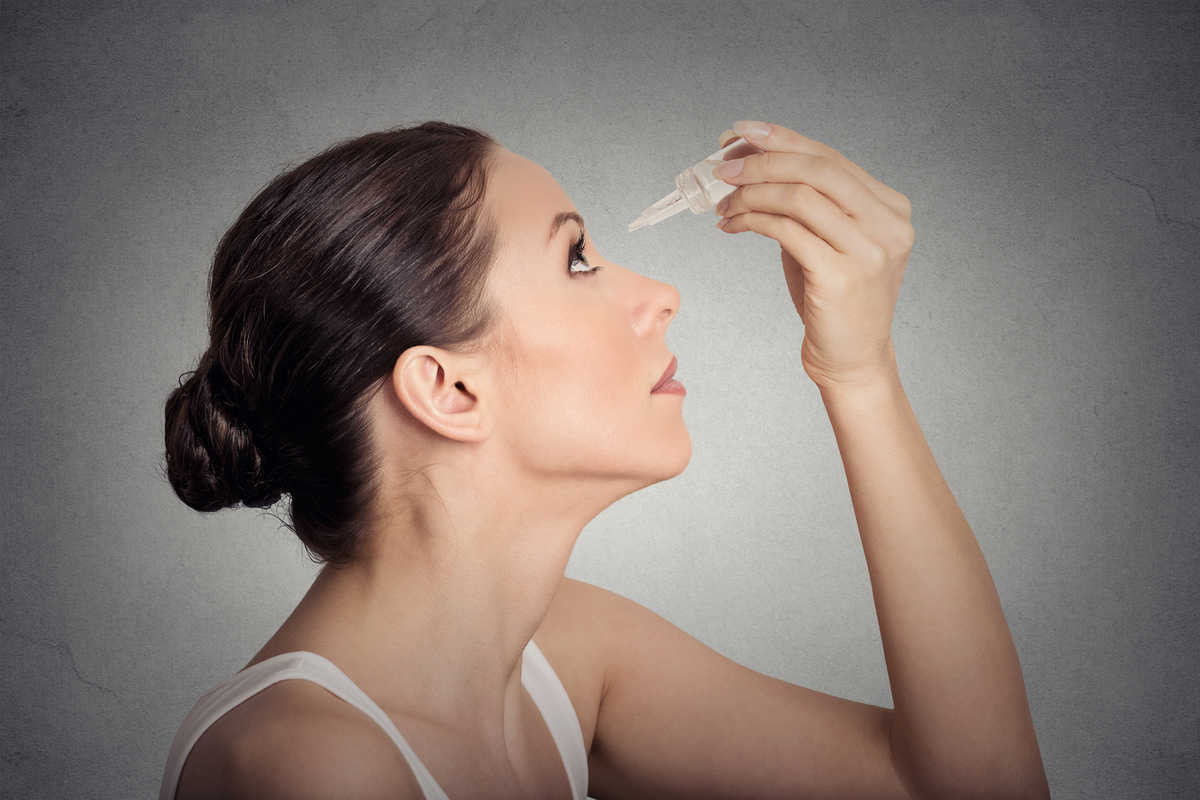
Comprehensive Guide to Dry Eye Disease: Causes, Symptoms, and Remedies
Dry eye disease impacts millions worldwide, caused by inadequate tear production or rapid tear evaporation. Understanding its triggers, signs, and treatment options is essential for maintaining eye health and improving quality of life.
What Is Dry Eye Disease?
This condition occurs when the eyes do not produce enough tears or the tears are of poor quality, failing to keep the eye surface lubricated. Tears are crucial for nourishment, protection, and overall ocular well-being.
Primary Causes of Dry Eye
Multiple factors contribute to dry eye, including environmental exposures, health conditions, and lifestyle habits.
The main causes are summarized below:
| Cause | Description |
| Age | Decreased tear production with advancing years, especially after age 50. |
| Hormonal Changes | Pregnancy, menopause, and hormonal contraceptives influence tear levels. |
| Environmental Factors | Wind, smoke, and dry air speed up tear evaporation. |
| Prolonged Screen Use | Extended screen time reduces blinking, leading to dryness. |
| Health Conditions | Diseases like diabetes and autoimmune disorders impair tear production. |
| Contact Lenses | Extended wear can destabilize the tear film on the eye surface. |
| Medications | Drugs such as antihistamines may decrease tear output. |
| Eye Procedures | Laser surgeries might temporarily affect tear production. |
Signs and symptoms to observe include:
Irritation: Sensation of grit or sand in the eyes.
Redness: Noticeable redness in the sclera.
Blurry Vision: Vision disturbances from inconsistent tear coverage.
Light Sensitivity: Discomfort in bright environments.
Excess Tearing: Reflex tearing as a response to dryness.
Contact Lens Discomfort: Irritation while wearing lenses.
Diagnosing dry eye involves tests such as:
Tear Break-Up Time: Assessing tear film stability.
Schirmer’s Test: Measuring tear production using strips.
Slit-Lamp Examination: Inspecting the eye surface and tear film.
Dye Tests: Detecting dry spots with fluorescein dye.
Management strategies include:
Environmental Adjustments:
Use humidifiers indoors.
Take regular breaks from screens.
Wear protective eyewear against wind and dry air.
Lifestyle Modifications:
Practice blinking exercises.
Keep hydrated.
Consume omega-3-rich foods.
Eye Care:
Apply warm compresses.
Maintain eyelid cleanliness.
Artificial Tears: Use preservative-free drops for relief.
Advanced Therapies:
Punctal plugs to conserve natural tears.
Thermal pulsation to unblock meibomian glands.
Preventive measures include avoiding smoke, limiting screen time, wearing protective eyewear, and adopting a nutritious diet. Early detection of symptoms allows for effective treatment, safeguarding long-term eye health. Regular eye exams are recommended.
Sources include:
American Academy of Ophthalmology
National Eye Institute
Dry Eye Society