Proven Approaches to Treating Toenail Fungal Infections
This article explores effective methods for managing toenail fungal infections, including medical treatments, natural remedies, and preventative tips. It emphasizes the importance of early diagnosis, professional care, and lifestyle adjustments to prevent persistent or recurring infections. Combining medication with good hygiene practices can significantly improve outcomes. Readers are encouraged to seek healthcare advice for personalized treatment plans, ensuring effective eradication of toenail fungus and maintaining healthy nails.
Proven Approaches to Treating Toenail Fungal Infections
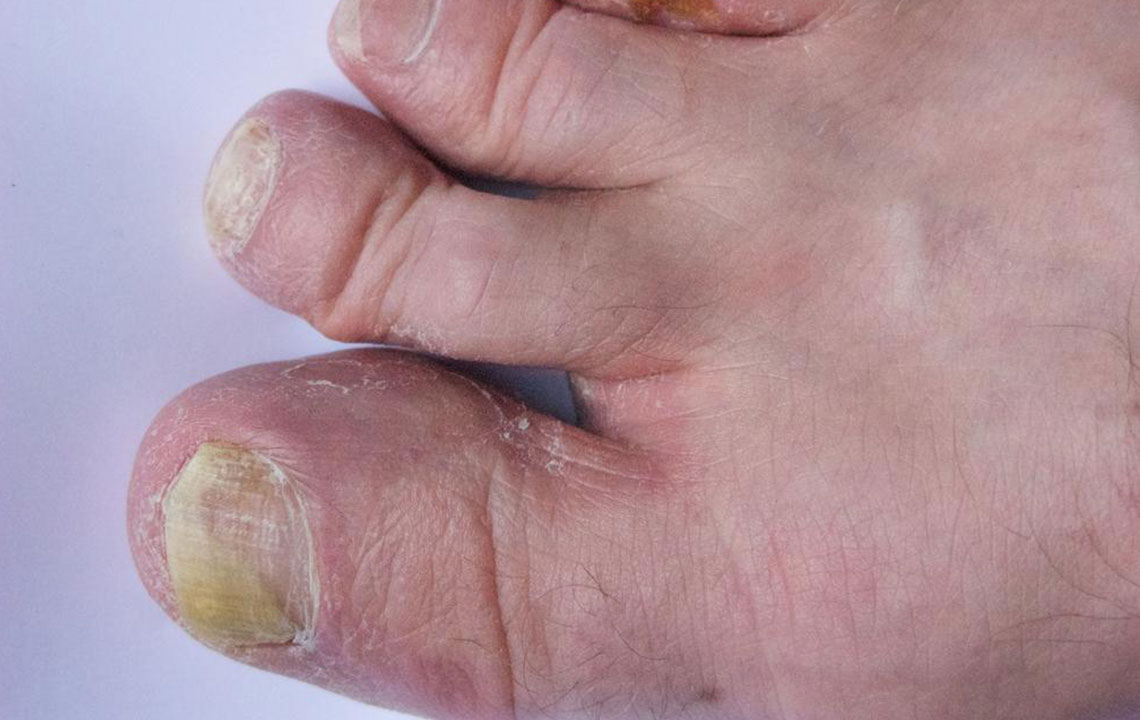
Onychomycosis, commonly known as toenail fungus, is a persistent and uncomfortable condition impacting many people. It develops gradually, causing nails to become thick, discolored, and misshapen. More prevalent in toes than fingers, early symptoms are often subtle, delaying diagnosis. As it worsens, nails may turn white, yellow, or green and become fragile or deformed. The surrounding skin can appear cracked, itchy, or swollen, especially in humid environments favorable to fungi growth.
Fungal infections cause discomfort, especially under pressure, and weaken nail structure, making it brittle. Factors like poor hygiene at salons, damp conditions, swimming, or contact with contaminated objects can promote infection. Men are more at risk, and if family members are affected, transmission can occur. Persistent infections may lead to permanent damage, spread, or complications like cellulitis.
OTC treatments often lack effectiveness; seeking medical advice is advisable. Healthcare providers may prescribe oral antifungals such as terbinafine, itraconazole, fluconazole, or griseofulvin—effective against stubborn infections. Therapy can last several months until the fungus is fully eliminated. Topical options include medicated nail lacquers and natural oils, with proper nail trimming improving absorption. However, topical methods might have limited success and risk re-infection.
Natural remedies like snakeroot extract show antifungal activity. Oils such as tea tree, oregano, and olive leaf can be directly applied for their antiseptic and antifungal benefits. Users should watch for allergies. Ozonized oils may also help. Home remedies including vinegar, garlic, and Vicks VapoRub are used by some, but scientific support varies. Garlic, consumed or applied externally, has strong antimicrobial qualities.
Prevention is key. Regularly trimming and cleaning nails, replacing contaminated shoes, and avoiding nail injuries can reduce fungal risks. Eating a diet rich in protein and iron supports immune defenses, lowering recurrence chances.
Note:
This article offers general information on managing toenail fungus but does not replace professional medical advice. Always consult a healthcare specialist for accurate diagnosis and personalized treatment. We do not assume responsibility for individual variances or unlisted treatment options.