Royal Baby Prince Louis: Key Facts About His Birth and Significance
This article covers the birth of Prince Louis, highlighting key details about his arrival, name, and royal significance. It also discusses the historical importance of his birth in the context of royal succession and monarchy traditions.
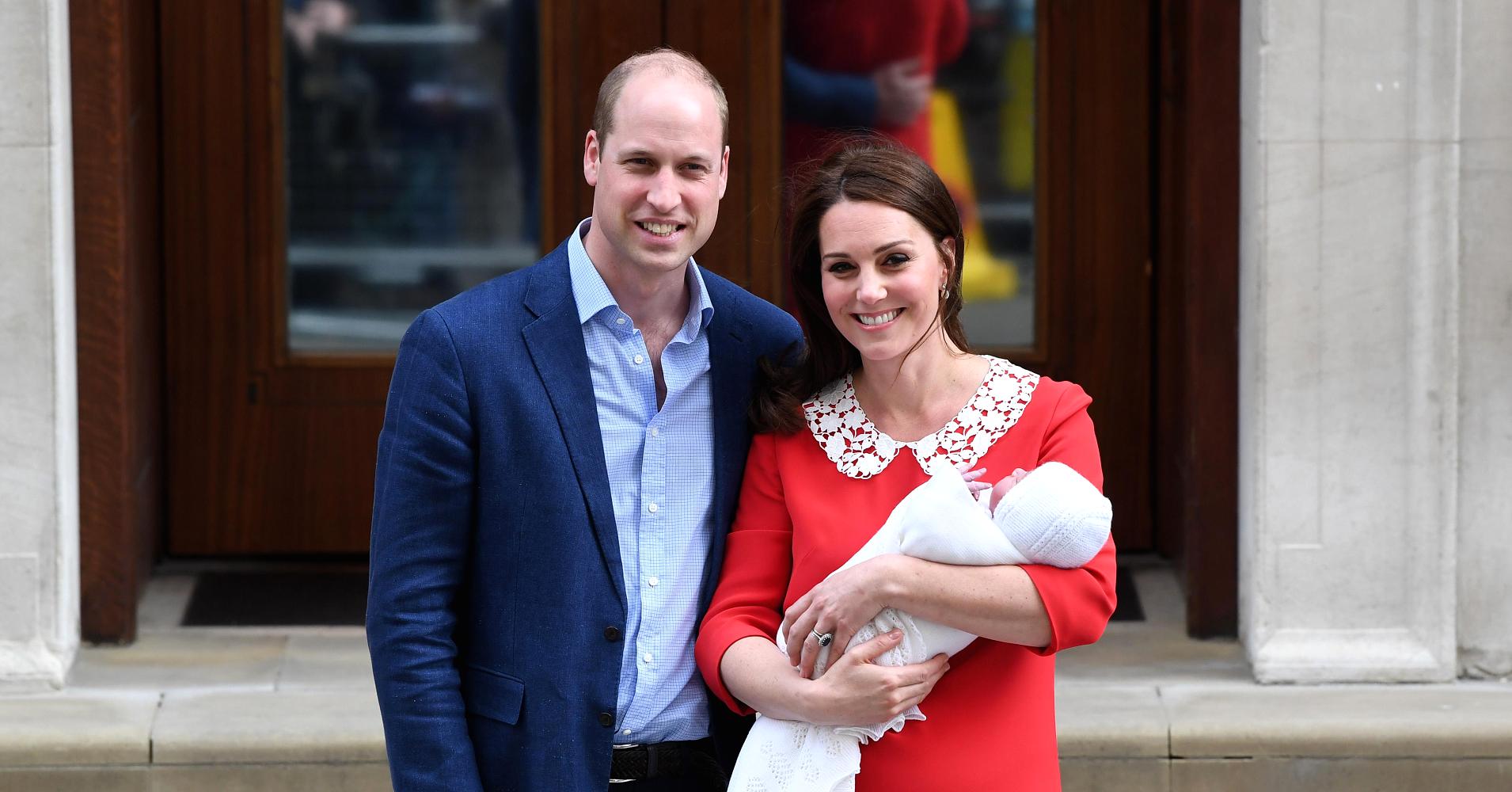
On April 23, 2018, Kate Middleton, the Duchess of Cambridge, gave birth to her third child with Prince William at London’s St. Mary’s Hospital, Lindo Wing. The royal family announced the new arrival soon after, and Prince Louis was introduced to the public hours later.
After days of speculation, his full name, Louis Arthur Charles, was confirmed. He bears the title, His Royal Highness Prince Louis of the United Kingdom, and is the fifth in line to the throne, following Prince Charles, Prince William, Prince George, and Princess Charlotte.
Born at the same hospital as his older siblings, he weighed 8 lbs 7 oz, making him the heaviest royal newborn in a century. His birth was celebrated with traditional gun salutes from the British Army in London.
The birth and naming of Prince Louis hold significant historical importance. The 2013 Succession to the Crown Act ensures gender-neutral succession, maintaining Princess Charlotte’s place in line despite her gender. Kate Middleton was also set to attend Meghan Markle and Prince Harry’s royal wedding on May 19, 2018, shortly after welcoming her son.
Prince Louis’s arrival marks an important milestone in royal history, exemplifying both tradition and progress within the monarchy.