Guide to Hair Restoration: Costs and Methods Explained
This comprehensive guide explores hair transplant methods, costs, and candidacy requirements. It details two main techniques—FUT and FUE—and discusses potential risks, costs, and suitability factors for individuals considering hair restoration. Learn how advancements in medical science have improved outcomes, and find out what to expect during the procedure and recovery process for lasting hair regrowth.
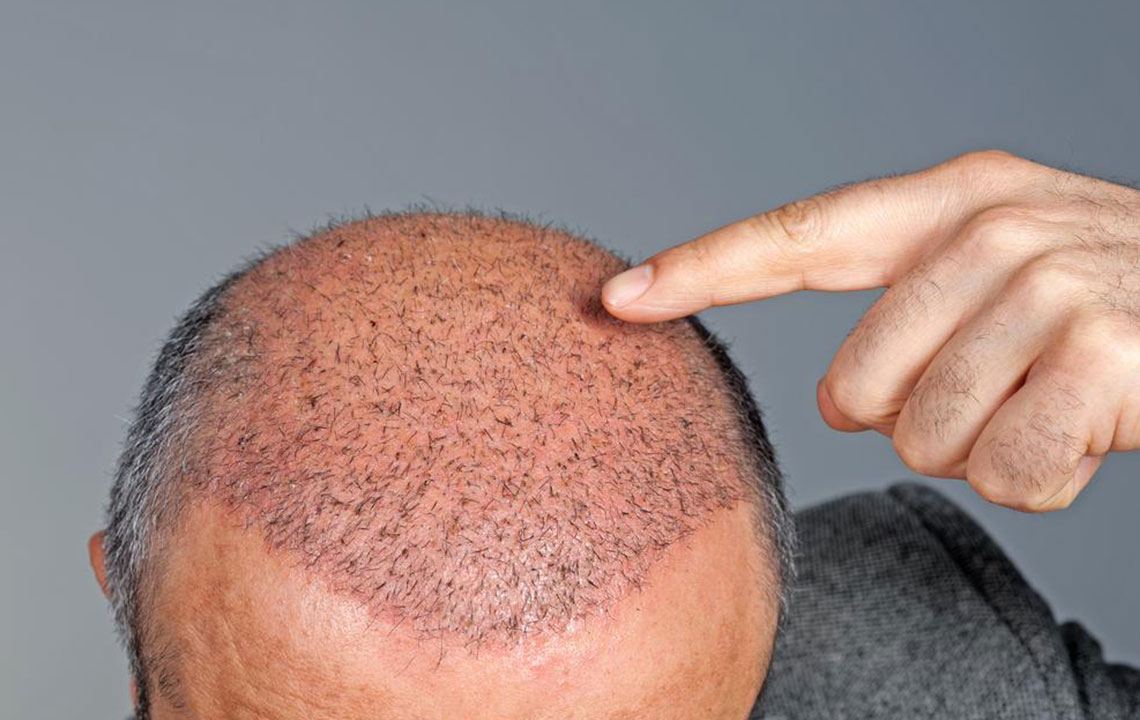
Basics of Hair Transplantation: Pricing and Techniques
While aging is a common cause, younger individuals are increasingly exploring solutions for early hair loss. Family history often influences susceptibility to hair thinning.

If hair loss runs in your family, chances are you'll encounter similar issues. Hair transplant surgery offers a permanent and effective remedy.
What Is a Hair Transplant?
A hair transplant moves existing hair to areas with thinning. This procedure has evolved since the 1950s, incorporating medical advancements for better outcomes.
There are mainly two approaches:
FUT (Follicular Unit Transplantation)
It involves removing a strip of scalp tissue from the back of the head, the donor area. The strip is divided into tiny grafts containing single hair follicles, which are transplanted into balding areas through small incisions. Healing takes a couple of weeks, with new hair growth beginning naturally afterward.
FUE (Follicular Unit Extraction)
In FUE, individual follicles are extracted directly using specialized tools, after shaving the donor zone. Each follicle, along with surrounding tissue, is carefully transplanted to thinning spots. This precise technique may require multiple sessions, often leading to higher costs. Robotic technology has enhanced the process, making it more efficient.
Am I a Suitable Candidate?
Hair loss due to injury or burns
Men with patterned baldness and available donor hair
Women with thinning hair
Those with extensive hair loss, insufficient donor sites, hair loss from chemotherapy, or keloid scars may not be ideal candidates.
Possible Risks
Shock Loss: Temporary shedding of existing hair after surgery, usually regrowing over time.
Itching: Common during healing; using medicated shampoos and oils can help. Severe discomfort warrants medical advice.
Other risks include graft displacement or unnatural appearance if not performed by experienced surgeons. Costly procedures highlight the need for skilled practitioners.Hair Transplant Costs
Prices range from $400 to $15,000 depending on graft number and technique. FUE typically costs $8.50 to $10 per graft because of its meticulous nature. Larger procedures increase overall costs, with some clinics charging based on graft count. Expertise and quality significantly influence both results and expenses.