Identifying Early Indicators of Staphylococcus Infections
Learn to identify early signs of staphylococcus infections, including fever, skin rashes, and boils. Recognizing these symptoms promptly can lead to effective treatment and prevent serious complications like spreading to vital organs. If you experience symptoms such as chest pain or difficulty breathing, seek medical attention immediately to ensure proper care. Early diagnosis plays a key role in managing infections caused by Staphylococcus aureus, a common bacteria that can cause a range of skin and systemic issues.
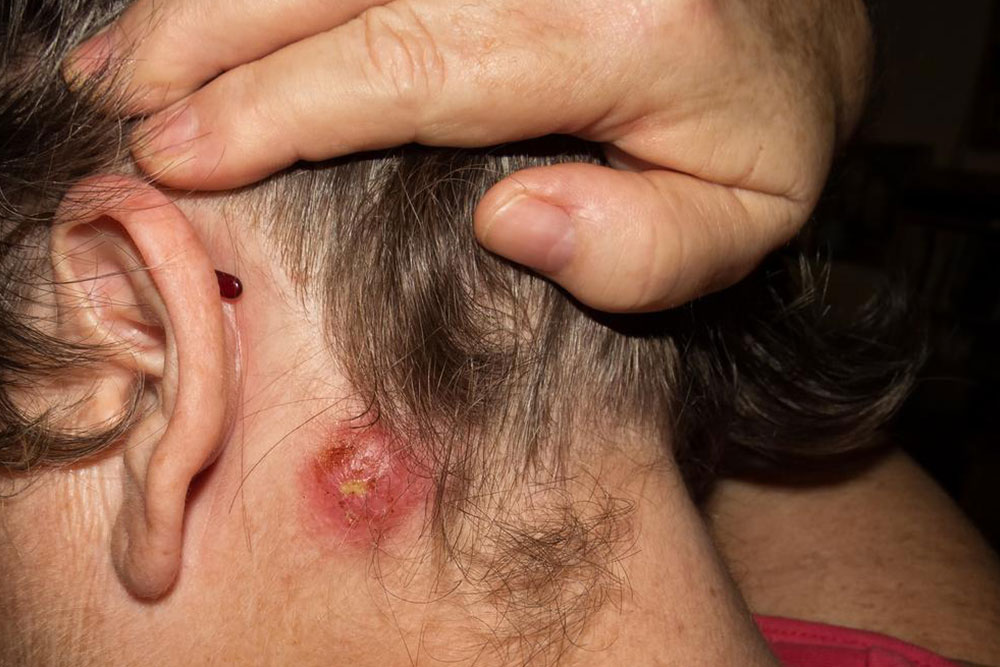
Staphylococcus aureus, commonly known as staph bacteria, can sometimes cause infections once it enters the body. Usually harmless, it resides near the nose and on skin surfaces. Recognizing the initial symptoms of a staph infection is vital for early treatment. Common signs include fever, skin rashes, and localized pain. As the infection worsens, abscesses, pus-filled lesions, swelling, and tenderness may develop. Without prompt care, it can spread to bones, bloodstream, or internal organs. Seek immediate medical help if symptoms like chest discomfort or breathing difficulties appear, as these suggest more severe involvement. Early detection can prevent severe health issues.
Types of skin infections: abscesses, impetigo, cellulitis
Early warning signs: fever, rash, discomfort
Severe symptoms: chest pain, breathing problems