Comprehensive Insights into Calorie Intake and Management
This comprehensive guide explores calorie consumption, emphasizing the importance of balancing energy intake with activity. It highlights daily requirements, high-calorie foods to watch, and tips for effective weight management. Practical advice supports maintaining a healthy lifestyle through proper calorie awareness, diet choices, and regular exercise. Ideal for those interested in nutrition, fitness, and overall wellness, this article serves as a valuable resource for understanding calorie balance and its impact on health.
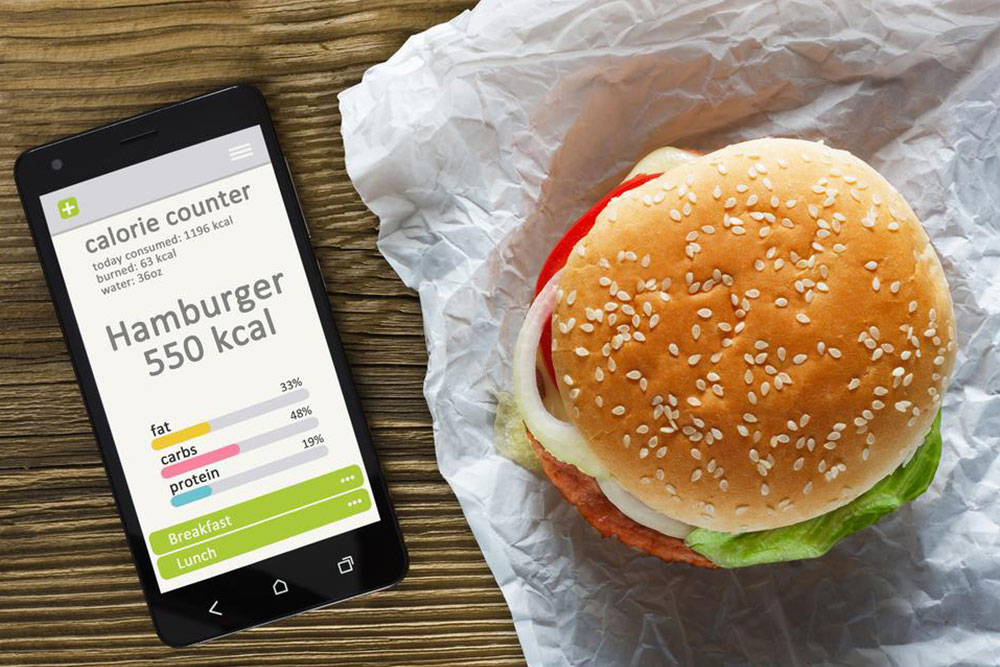
Insights into Calorie Intake and Its Role in Health
A calorie is a measurement of energy essential for supporting vital bodily processes and physical movement. It reflects the energy we derive from food and drinks, as well as what we burn through activity. Properly balancing calorie intake is key to maintaining health; excess calories lead to weight gain, whereas too few can cause weight loss. Understanding personal energy needs based on body type and activity level helps in effective calorie management.
Smart calorie control promotes a healthy lifestyle.
Typical daily calorie needs vary from 1500 to 2500, influenced by body composition and activity level. Active individuals with higher metabolic rates tend to burn calories more efficiently. To shed pounds, combining calorie reduction with consistent exercise is effective. Prioritizing nutrient-rich foods like fresh produce, lean proteins, and maintaining hydration supports overall health.
Be cautious with these high-calorie foods:
Oils (vegetable, fish, coconut, butter): 100-117 calories per tablespoon
Nuts and Seeds (pecans, walnuts, hazelnuts, almonds, cashews): 135-200 calories per ounce
Nut Butters (peanut, almond): 95 calories per tablespoon
Dark Chocolate: 165 calories per ounce
Dried Fruits (prunes, raisins, dates, apricots): 200-250 calories per half-cup
Avocado: roughly 330 calories each
Whole Grains (whole wheat pasta, quinoa, brown rice, oat bran): 85-200 calories per half-cup
Dairy Products & Eggs: 80-150 calories per ounce
Oily Fish (mackerel, tuna, salmon): 175-250 calories per 3 ounces
Meats (beef, chicken, pork): 175-300 calories per 3 ounces
Monitoring daily food intake helps manage weight and supports bodily functions. Extreme calorie restriction can be harmful. A balanced diet paired with regular activity is vital for health. Consistent mindful eating and tracking assist in sustaining wellness over the long term.
Note:
This article offers practical insights across various topics. While efforts are made to ensure accurate information, it is intended for informational purposes only. Readers should verify details independently. The company is not liable for inaccuracies or external differences that may better suit individual needs.