A Comprehensive Guide to Atherosclerosis: Signs, Causes, and Prevention Methods
Learn about atherosclerosis, its symptoms, causes, and prevention techniques. This guide highlights early detection, lifestyle changes, and medical options to manage and reduce the risk of artery hardening, ensuring better cardiovascular health.
A Comprehensive Guide to Atherosclerosis: Signs, Causes, and Prevention Methods
Vessels carry oxygen-rich blood from the heart to essential organs and tissues. Healthy arteries remain flexible and elastic, ensuring smooth blood flow. In atherosclerosis, arteries become stiff and thick due to plaque deposits. This buildup, consisting of fats and cholesterol, narrows and hardens the arteries, reducing blood circulation. Such constriction can limit oxygen and nutrients to vital organs, posing serious health risks. Any artery can be affected, including those supplying the heart, brain, kidneys, and limbs. Early detection and intervention are crucial to prevent severe health events.
What Exactly is Atherosclerosis?
It involves the formation of plaque within arterial walls, diminishing blood flow. Factors like high blood pressure, high cholesterol, diabetes, and inflammation contribute to its development. Damage to the endothelium layer triggers plaque accumulation, which can rupture and form clots, potentially leading to heart attacks or strokes if left untreated.
Detecting early symptoms may be difficult, especially at initial stages, as signs often occur once arteries are significantly blocked or narrowed.
Symptoms depend on the affected arteries. Examples include:
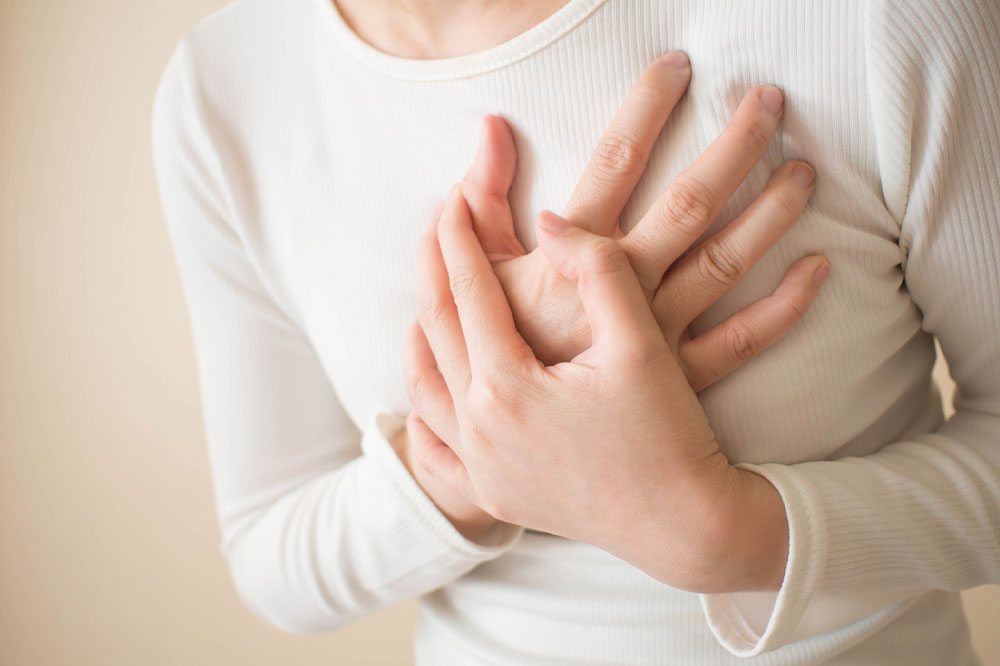
Coronary arteries (heart): Chest pain, neck or back discomfort, arm or jaw pain, shortness of breath, and pressure during activity.
Cerebral arteries (brain): Dizziness, weakness, facial drooping, vision problems, speech difficulties, or temporary paralysis.
Peripheral arteries (limbs): Numbness, weakness, cold extremities, slow wound healing, or hair loss on limbs.
Renal arteries (kidneys): Elevated blood pressure, flank pain, blood in urine, decreased urination, and swelling.
Recognizing these signs allows for prompt medical action.
Controlling Atherosclerosis
Core management strategies include lifestyle modifications such as healthy eating, regular exercise, weight management, and stress control. Medications like statins, anticoagulants, and blood pressure drugs can mitigate risk factors. In advanced cases, procedures like angioplasty, stenting, or bypass surgery may be necessary to reopen blocked arteries.
Prevention Tips
Implementing heart-healthy habits is vital to minimize your risk:
Eat balanced foods: Focus on fruits, vegetables, whole grains, lean meats, and legumes. Reduce intake of saturated fats, sugars, processed grains, and salt.
Exercise consistently: Strive for at least five days of moderate aerobic activity weekly.
Maintain a healthy weight: Keep BMI within recommended ranges to reduce arterial strain.
Reduce stress: Practice relaxation methods like yoga, meditation, and breathing exercises, especially if managing other health conditions.
Early diagnosis and consistent lifestyle changes can slow, halt, or reverse certain stages of atherosclerosis. Long-term health depends on maintaining these healthy habits.