Choosing the Best Contact Lenses to Ease Dry Eye Symptoms
Discover effective strategies for contact lens wearers suffering from dry eyes. Learn about suitable lens types, maintenance routines, and treatment options to enhance eye comfort and health. Proper lens choice and care are vital for managing dry eye symptoms effectively.
Choosing the Best Contact Lenses to Ease Dry Eye Symptoms
Many people prefer contact lenses for their convenience over glasses. However, dry eyes can be a significant issue for contact lens users, especially those with dry eye syndrome. This condition impacts both wearers and non-wearers but is particularly troublesome for lens users. Fortunately, there are effective ways to reduce dry eye discomfort while wearing contacts. Continue reading to learn about optimal options for eye comfort and health.
Understanding Dry Eye Condition
It happens when tear production isn’t enough to keep the eyes properly lubricated, causing dryness, irritation, and sometimes inflammation. Severe cases may lead to damage on the eye’s surface. Nearly half of adults experience some degree of dry eye.
Dry eye can result from damage to tear glands, eye injuries, hormonal changes, or prolonged use of contact lenses. Treatment options include lubricating drops, behavioral modifications, or avoiding medications that dry out the eyes. In severe cases, procedures like tear drainage blockage might be recommended.
Selecting appropriate contact lenses involves considering materials and maintenance. Options to help minimize dryness include:
Soft contact lenses - Made from breathable, oxygen-permeable plastics, they promote better airflow and are suitable for dry eyes. Switching from hard to soft lenses can greatly enhance comfort.
Water content considerations - Lenses with higher moisture might feel more comfortable early on but tend to dry quickly, drawing moisture from the eyes. Choosing lenses with moderate or lower water content can provide longer-lasting comfort.
Silicone hydrogel lenses - These allow high oxygen transmission while retaining less moisture, making them ideal for dry eye sufferers despite higher costs.
Disposable lenses - Regularly replacing lenses or using water-loving disposables helps maintain hydration and reduces dryness issues.
Scleral lenses - Larger than traditional contacts, these cover more of the eye surface and are often gas-permeable, enhancing oxygen flow.
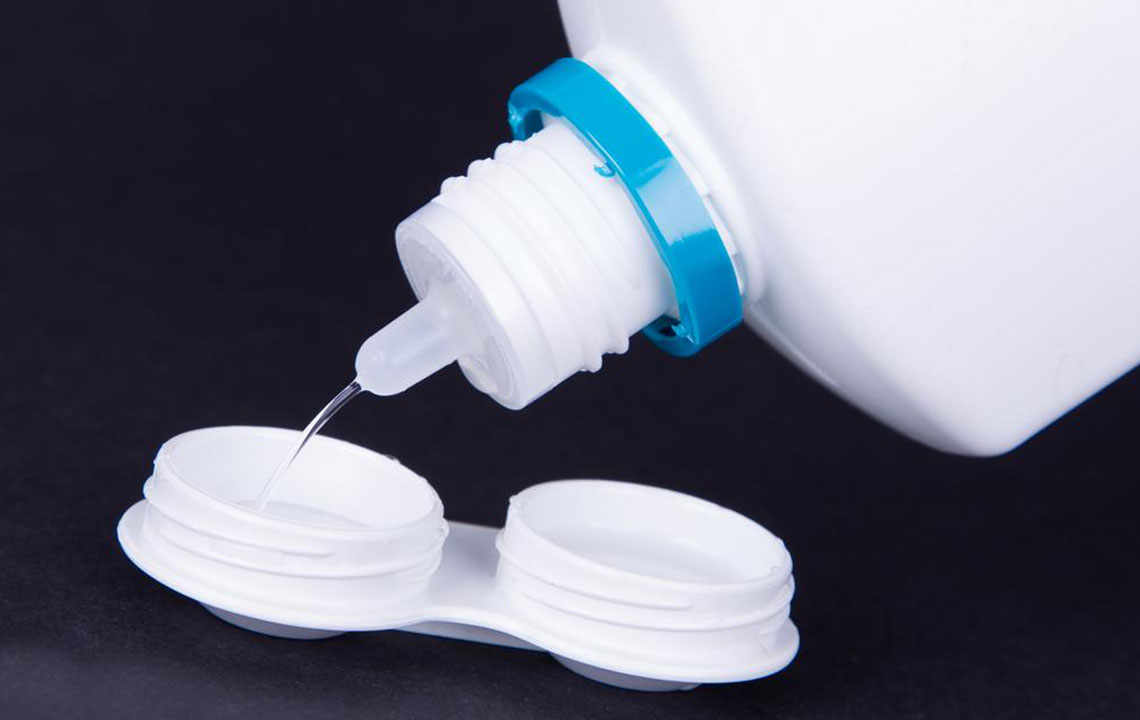
Lens solutions - Using preservative-free or compatible solutions can prevent irritation caused by certain preservatives or incompatibilities.
Additional measures include maintaining proper lens hygiene, avoiding prolonged wear, moisturizing eyes before inserting lenses, and using hydrating eye drops. If symptoms continue, consult an eye care specialist for personalized recommendations.
Proper lens selection and care practices enable contact wearers to effectively manage dry eye discomfort. Always seek professional guidance to choose the best solution for your specific needs.