Comprehensive Guide to Urinary Tract E. coli Infections: Causes, Symptoms, and Treatment Options
Learn essential information about urinary E. coli infections, including causes, symptoms, and treatment options. This guide highlights risk factors, signs to watch for, and the importance of early medical care to prevent severe complications like kidney damage. Suitable for all affected individuals, especially women, and emphasizes timely diagnosis for effective management and recovery.
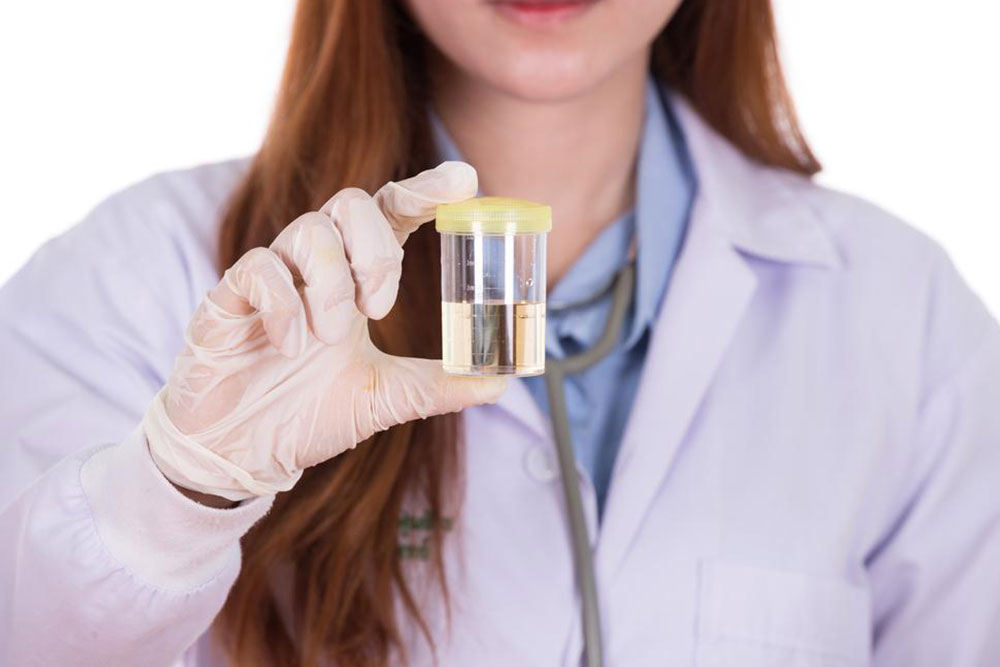
Comprehensive Guide to Urinary Tract E. coli Infections: Causes, Symptoms, and Treatment Options
Urinary tract infections (UTIs) are highly prevalent infections caused primarily by bacteria, affecting millions globally, especially women. The main bacteria responsible is Escherichia coli (E. coli), which releases toxins that interfere with urinary and digestive system functions. High-risk groups include pregnant women, young children, seniors, and those with weakened immune systems. Poor hygiene and unhealthy eating habits contribute to risk. Mild cases may improve with proper hygiene and diet, but severe infections demand immediate medical care to prevent complications like kidney damage.
E. coli is the primary bacteria causing UTIs, with other pathogens like Staphylococcus saprophyticus, Pseudomonas aeruginosa, and Klebsiella pneumonia also involved. Symptoms often include frequent urination, pain or burning sensation, lower abdominal pain, foul-smelling or cloudy urine, and blood in urine. Without quick intervention, infections can spread to the kidneys, causing serious health issues. Early diagnosis and treatment are essential to prevent long-term damage and ensure complete recovery.
Because untreated kidney infections can cause lasting harm, recognizing early symptoms of E. coli infections is critical. Women face higher risk due to anatomical factors, with nearly half experiencing UTIs annually. Risks increase with kidney stones, nerve damage, or incomplete bladder emptying. Men with enlarged prostates and women using contraceptive diaphragms are also more vulnerable. Antibiotic resistance and urinary abnormalities can complicate these infections, making prompt medical intervention vital.