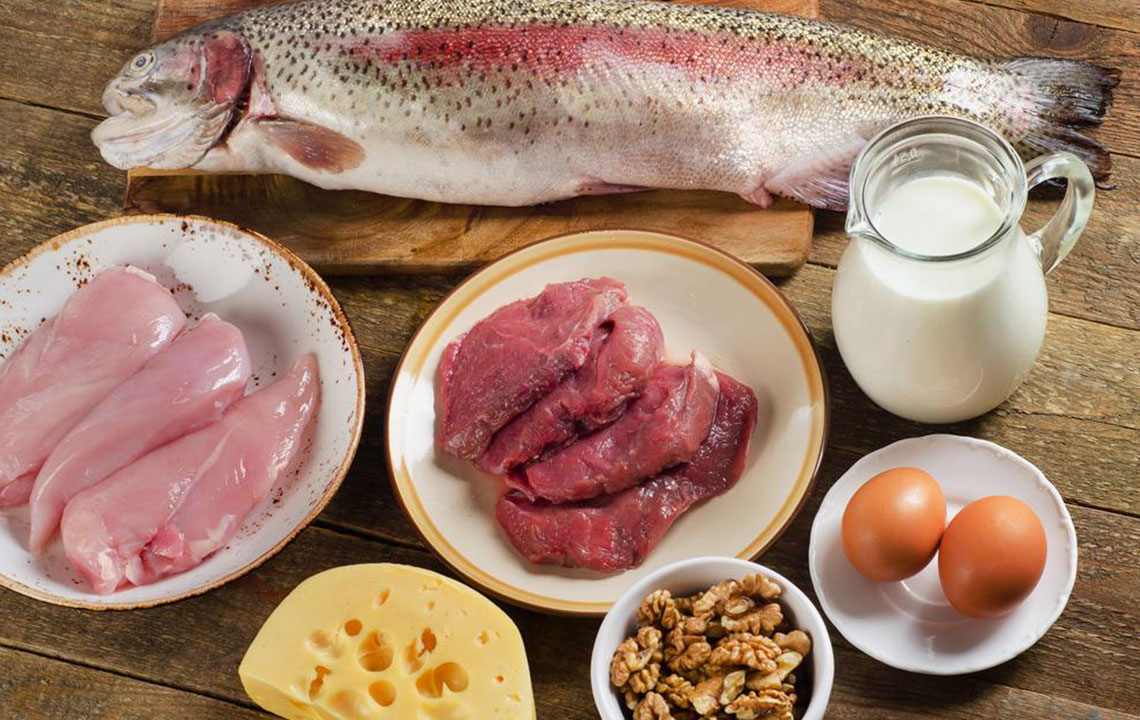
Discover essential high-protein foods to enhance your diet, including plant-based and animal sources. This guide highlights the nutritional benefits of foods like almonds, oats, broccoli, lentils, eggs, chicken, and seafood, supporting muscle growth and overall health. Incorporate these protein-rich options into your daily meals for optimal wellness and fitness results.
Key High-Protein Foods to Boost Your Diet
Monitoring macronutrient intake is increasingly popular, with high-protein plans gaining widespread popularity among health-conscious individuals. Protein is crucial for tissue growth, repair, and overall body function, forming the foundation of every cell and serving as the building blocks for enzymes and hormones.
The recommended daily intake is roughly 0.8 grams of protein per kilogram of body weight, though this can vary based on activity level and goals. While supplements like protein powders are common, many natural foods are excellent protein sources. Here’s a list of essential high-protein foods to consider including in your meals.
Almonds: These nutrient-rich nuts are a healthy dairy alternative, with about 6 grams of protein per 28 grams.
: Packed with fiber and nutrients, oats provide approximately 17 grams of protein per 100 grams, making them a hearty breakfast choice.
: A low-calorie vegetable with a high protein-to-calorie ratio, offering about 2.8 grams of protein per 100 grams.
: A versatile grain loaded with antioxidants, fiber, and minerals, delivering around 4.4 grams of protein per 100 grams.
: Rich in plant-based protein, lentils and other legumes like chickpeas and kidney beans provide about 9 grams of protein per 100 grams.
: Nutrient-dense seeds containing zinc, magnesium, and potassium, with 19 grams of protein per 100 grams.
: A fiber-rich vegetable packed with essential vitamins, offering approximately 3.4 grams of protein per 100 grams.
: Commonly used in peanut butter, they contain about 26 grams of protein per 100 grams but should be consumed in moderation.
: A soy-based protein source ideal for vegans, providing 8 grams per 100 grams.
Vegetarian Protein Options
: Low in fat but high in protein, with about 11 grams per 100 grams.
: Offers high-quality protein along with calcium and magnesium, approximately 10 grams per 100 grams.
: A complete nutrition source, delivering about 3.5 grams of protein per 100 grams, with plant-based options available for lactose intolerance.
Animal-Based Protein Sources
: Highly nutritious, providing 6 grams of complete protein per egg, along with vital vitamins and healthy fats.
: Especially chicken breast, a lean source of protein with about 31 grams per 100 grams, favored by fitness enthusiasts.
: Rich in protein and omega-3 fatty acids, offering around 30 grams per 100 grams.
: A low-calorie seafood packed with nutrients such as vitamin B12 and selenium, supplying 24 grams of protein per 100 grams.
Plant-based diets tend to be lower in calories, with less fat and carbs, making them suitable for weight management and healthy living.