History and Development of Scoreboards: From Manual to Digital Displays
Explore the fascinating evolution of scoreboards from manual chalkboards to modern digital displays. Discover key milestones like the first electric scoreboards and their impact on game broadcasting and fan engagement. Learn how technological innovations have transformed scorekeeping in sports over the years.
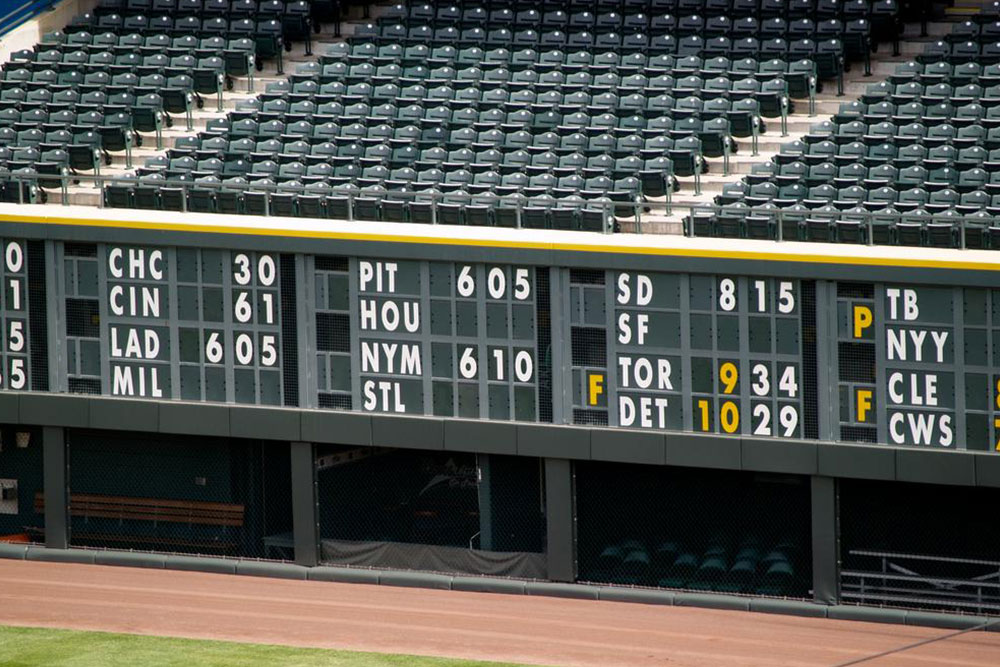
Evolution of Scoreboards and Technological Advancements
Scoreboards have a long-standing history that predates many sporting events we watch today. With technological progress, these displays have advanced from simple manual boards to sophisticated electronic screens featuring vibrant animations and special effects. Originally, scorekeeping relied on manual labor using chalk and hanging number panels operated by dedicated personnel.
The journey of scoreboards includes several key milestones:
Early Scoreboard Beginnings
Discussions persist over which university introduced the first scoreboard—Harvard claims theirs appeared during a 1983 Thanksgiving game, while Penn asserts their scoreboard dates back to 1895. The New York Times first referenced Penn’s scoreboard in 1894 during a game against Princeton.
Advent of Electric Scoreboards
In 1908, George A. Baird developed Chicago's first electric baseball scoreboard, capable of displaying balls, strikes, and outs electronically. However, adoption was slow, primarily used by two Boston-based Major League teams.
Rise of Broadcast Scoreboards
Electric scoreboards allowed newspapers to broadcast scores and visuals via telegraph, enabling fans outside the stadium to stay informed. Crowds often gathered around newspaper offices to get live updates.
Yankees' Electrification of Their Scoreboard
The Yankees' stadium, constructed in 1923, used a manual scoreboard for several decades before upgrading to an electronic system in 1950. This new scoreboard featured non-glare enamel and reduced the staff needed for operation, representing a major technological leap.