Identifying the Early Signs of Lyme Disease
Early detection of Lyme disease is crucial. Recognize symptoms like fever, rash, and fatigue, and understand transmission methods to seek prompt treatment. Regional risks vary, and awareness helps prevent severe health complications. This guide highlights key signs and how ticks transmit the bacteria, emphasizing the importance of early diagnosis for effective management.
Identifying the Early Signs of Lyme Disease
Prompt detection of Lyme disease is vital to prevent serious health issues. Initial symptoms often include fever, skin rash, facial weakness, and joint pain. The likelihood of infection varies by region, with certain areas experiencing higher cases. Transmitted mainly through tick bites, early recognition of symptoms helps ensure timely treatment and reduces complication risks.
Watch for these early symptoms:
Initial signs include fever, headaches, chills, exhaustion, joint discomfort, muscle aches, and swollen lymph nodes.
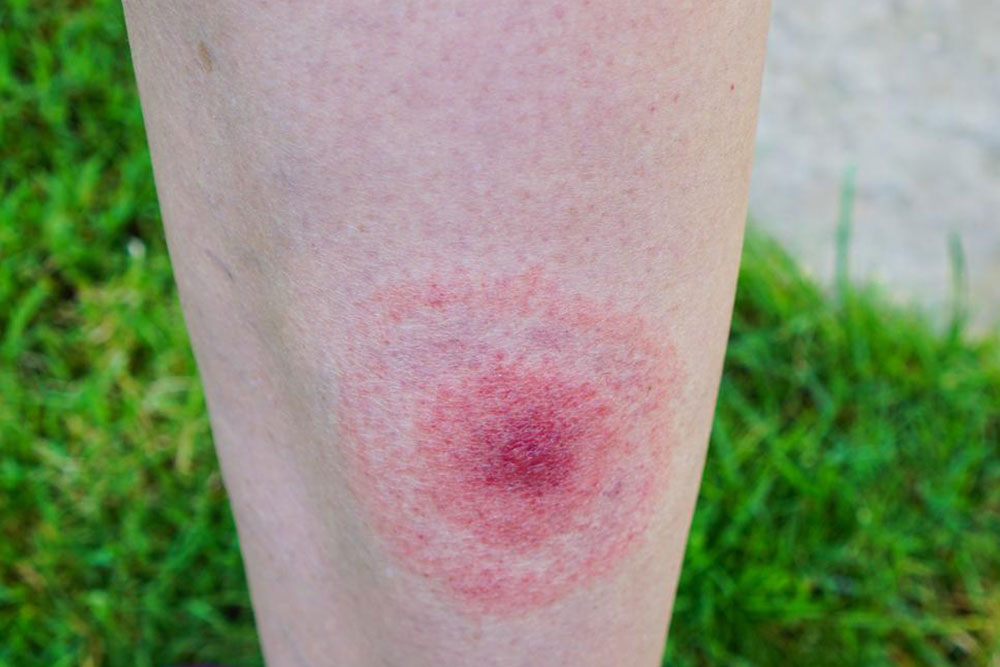
A distinctive erythema migrans rash appears in roughly 70-80% of cases, often within a week of bite exposure.
The rash can grow up to 12 inches, forming a bull's eye pattern, typically painless and non-itchy.
It can occur anywhere on the body and enlarges from the center outward.
Less common early signs include abnormal heartbeat, inflammation of the eyes or liver, and increased fatigue.
How Lyme disease spreads
The primary transmission occurs through infected tick bites that need to remain attached for at least 36-48 hours. The bacteria Borrelia burgdorferi is mainly carried by black-legged ticks in the northeastern, north-central, and mid-Atlantic US, and by western black-legged ticks along the Pacific Coast.