Effective Natural Strategies to Lower Uric Acid Levels
Learn natural and effective methods to lower uric acid levels, prevent gout, and improve kidney health. This guide covers dietary adjustments, hydration tips, and lifestyle changes recommended by healthcare professionals to manage hyperuricemia effectively.
Our kidneys play a vital role in removing waste, including uric acid, which is formed during the breakdown of proteins, carbs, fats, and nucleic acids. When uric acid production surpasses elimination capacity, it leads to elevated levels in the bloodstream, known as hyperuricemia. Managing these levels is essential to prevent gout, kidney stones, and other health issues. Adopting natural methods to decrease uric acid can enhance overall well-being and reduce disease risk.
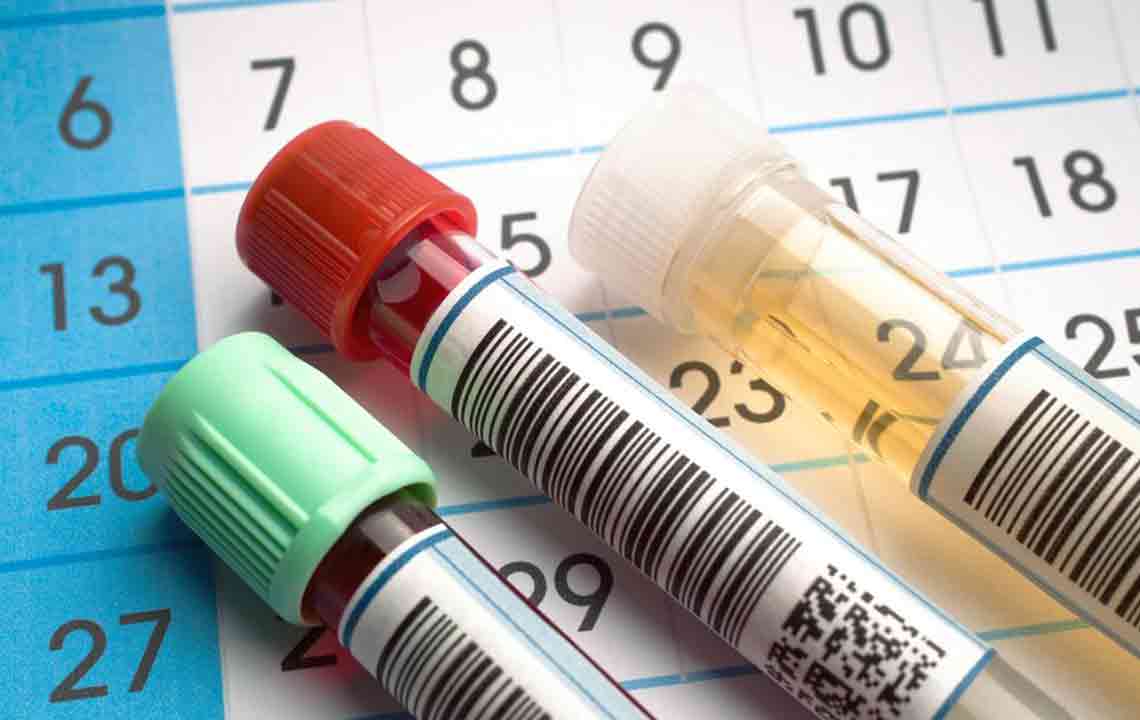
Healthcare providers recommend blood testing to evaluate uric acid. Reasons include:
Diagnosing gout
Monitoring kidney stone risk due to uric acid
Tracking treatment progress for high uric acid
Detecting changes during cancer treatments
Factors affecting uric acid levels involve:
Genetics
Excess weight
Psoriasis
Blood pressure medications
Alcohol intake
Immune-suppressing drugs
Purine-rich foods
Kidney health issues
Reducing uric acid includes lifestyle and diet modifications, especially if symptoms like joint swelling or kidney problems are present. Early recognition of hyperuricemia symptoms can aid in effective management.
Many remain symptom-free despite high uric acid
Joint pain and swelling, especially during gout attacks, signal high levels
Kidney or urinary discomfort can also be indicative
Proven Techniques to Lower Uric Acid Naturally:
Seek advice from healthcare professionals for personalized strategies
Limit foods high in purines such as organ meats, yeast, spinach, and mushrooms. Reduce alcohol intake, especially beer
Include low-purine options like dairy, eggs, greens, tomatoes, fruits, nuts, and seeds
Maintain hydration with 2–3 liters of water daily; adjust based on weight
Avoid caffeine and refrain from alcohol if diagnosed with hyperuricemia
Reassess medications that may raise uric acid with your doctor
Drink green tea regularly to assist in lowering levels
Limit sugary foods and drinks to prevent spikes
Eat more fruits—including bananas and berries—to naturally reduce uric acid
Always consult your healthcare provider before changing your diet or lifestyle to ensure safety and effectiveness. Proper guidance optimizes uric acid management and promotes better health.