Effective Adult Acne Management Techniques
Discover effective strategies for managing adult acne through tailored skincare routines and prescription treatments. Learn about topical options, oral medications, and hormonal therapies. Professional guidance from dermatologists ensures optimal results for persistent cases, leading to clearer and healthier skin.
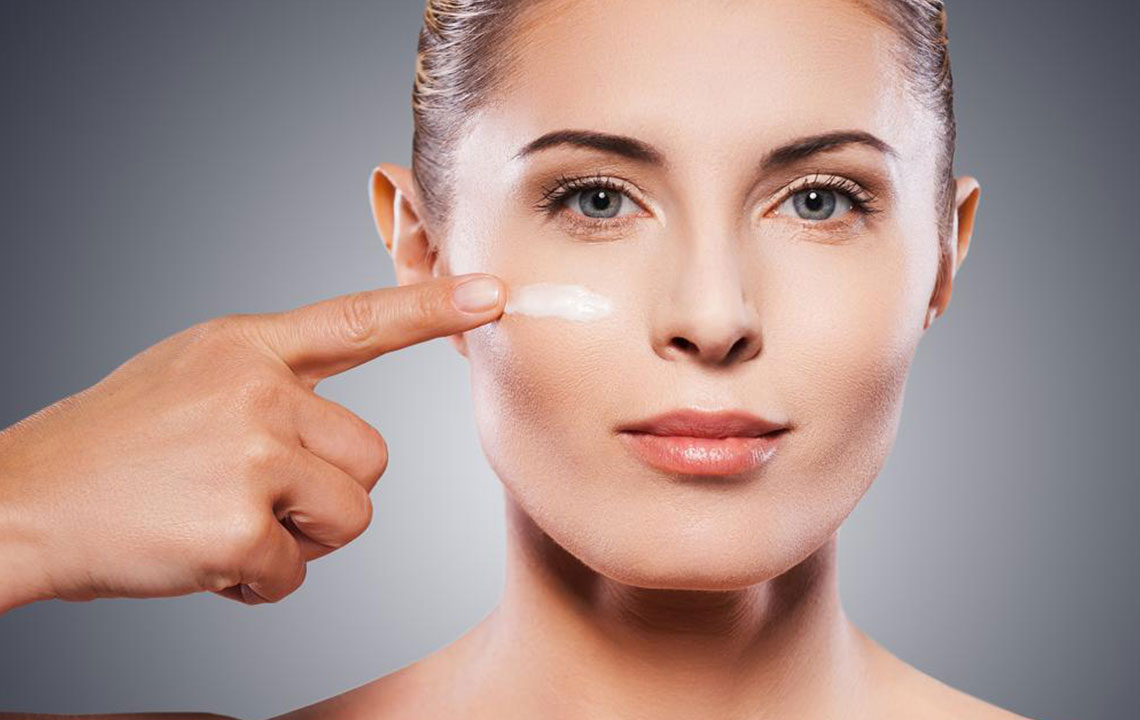
Effective Strategies for Treating Acne in Adults
Confronting adult acne can be both stressful and demanding. Unlike teenage skin breakouts, adult acne often requires customized treatment methods. Conventional adolescent treatments may no longer be effective. A consistent skincare routine, combined with targeted medications, can greatly enhance skin clarity.
For mild adult acne, gentle cleansers, creams, and lotions are ideal.
When pimples appear, many turn to specialized skincare products. Choosing products suited to your skin type and severity ensures better results.
When selecting skincare items, look for proven acne-fighting ingredients like sulfur, salicylic acid, or benzoyl peroxide. Benzoyl peroxide is particularly effective. Opt for formulations such as creams, gels, or cleansers with high-quality ingredients, and follow usage instructions closely. If your skin isn’t oily, avoid products designed for teenagers.
Seek dermatologist advice if results are slow
OTC treatments can help manage adult acne, but if no improvement occurs within 10-12 weeks, consulting a dermatologist is advisable. Stronger, prescription options may be necessary for optimal results.
Prescription Options for Adult Acne
Several prescription treatments are available for persistent adult acne.
Retinoids: These topical medications increase cell turnover and help prevent pore blockage, reducing microcomedone formation. They also diminish fine lines, giving skin a revitalized appearance. Antibiotics: For inflamed or stubborn acne, dermatologists often recommend topical antibiotics to control bacteria. They are usually used temporarily along with other therapies to achieve the best results. Oral Medications: Severe or resistant acne may require oral drugs prescribed by a dermatologist. Isotretinoin is a potent option for cystic or long-term cases, especially when other treatments fail, and also reduces inflammation. Often, oral medication is combined with topical treatments like Retin-A, with a switch back to topical after improvement to prevent recurrence. Additional OptionsWomen may have access to extra treatments such as oral contraceptives, which can be combined with topical regimens. Spironolactone, an anti-androgen drug, is effective against hormone-related acne but primarily prescribed for women. Hormone therapy (HRT) can help postmenopausal women experiencing acne, hair thinning, or mood issues. However, HRT is generally reserved for specific cases if other treatments are ineffective.
In summary, if OTC products aren’t producing results, consulting a dermatologist for specialized adult acne treatments is crucial. Accurate diagnosis and personalized treatment strategies ensure healthier, clearer skin.