Ultimate Guide to Vehicle Fleet Tracking with GPS Technology
Discover how GPS fleet tracking systems revolutionize vehicle management. From real-time location updates to driver behavior analysis, these solutions improve efficiency, safety, and customer satisfaction. Learn about device types, communication methods, and the benefits of implementing GPS technology in transportation fleets for optimal operational performance.
Exploring Vehicle Fleet Monitoring with GPS
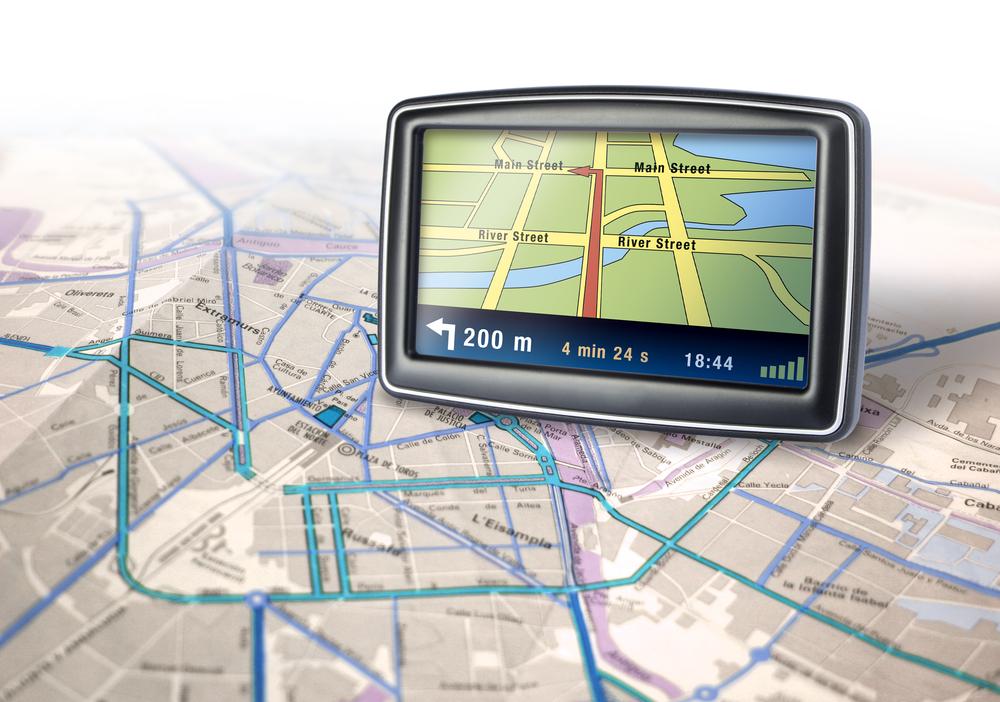
Vehicle fleet tracking systems, commonly called fleet management solutions, demonstrate how technological innovations are integrated with GPS to optimize transportation operations. These systems serve a diverse range of businesses—from small enterprises with limited vehicles to large-scale logistics companies operating nationwide. Devices fall into two categories: passive units, which store data for periodic collection, and active units, which transmit data continuously to a control center. Both gather essential information tailored to user requirements.
Communication options vary from one-way data transmission to two-way interaction. Communication channels include satellite networks such as GPS, as well as cellular networks. Factors influencing choice include operational needs and budget considerations. These systems utilize GPS technology managed by the US government for high accuracy. Alternative satellite systems like GLONASS, Galileo, or BeiDou are also harnessed for enhanced positioning. Combining GPS with GLONASS improves precision, essential for real-time updates such as passenger notifications and route monitoring.
Specialized fleet management systems support these capabilities.
Benefits of GPS Fleet Tracking Software
Adopting GPS tracking offers substantial advantages for fleet operators. Access to live vehicle locations allows for dynamic route adjustments and improved punctuality, boosting customer satisfaction. Monitoring driver behaviors ensures compliance with safety standards, minimizing infractions and accidents. Data including traffic conditions, vehicle speed, engine diagnostics, and driver safety metrics enhance operational oversight. This data-driven approach helps optimize vehicle utilization and flexibility in routing, such as handling unscheduled stops or rerouting in response to traffic.
Further benefits include driver retraining opportunities, fuel savings, reduced maintenance costs, and increased fleet availability through predictive scheduling. Overall, GPS fleet tracking elevates efficiency, reputation, and profitability of transportation services.
Disclaimer:
This article offers a comprehensive overview based on industry research. While informative, it is not meant to be authoritative. The website disclaims responsibility for potential inaccuracies or updates. Users should verify current data and solutions tailored to their specific business needs.