Streamlining Business Data Operations with Advanced Data Mapping Tools
This article explores advanced data mapping tools crucial for enterprise data management. It covers key features, top platforms, and tips for choosing the right system, emphasizing improved data consistency, integration, and compliance for smarter business operations.
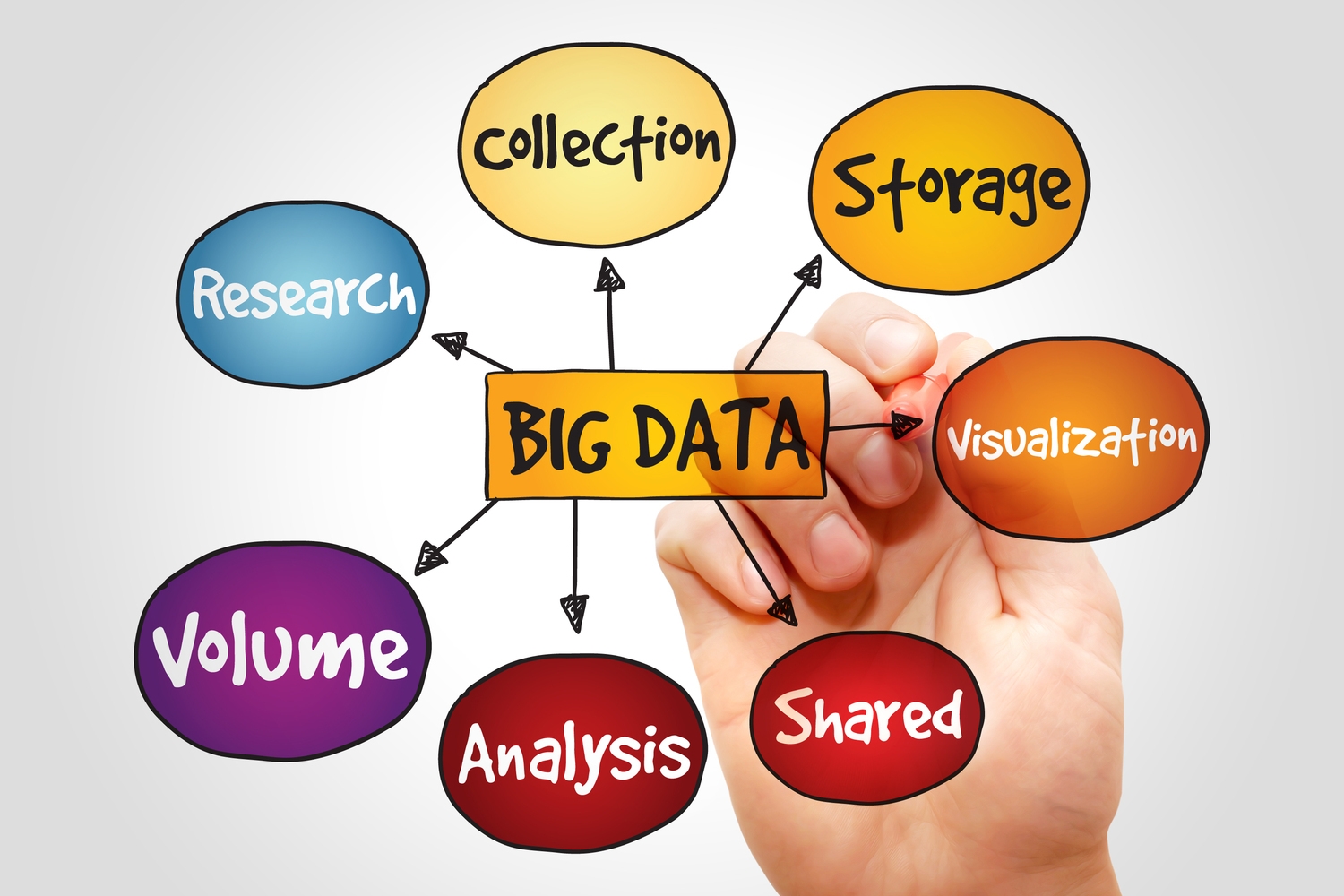
Optimizing Business Data Processes with Cutting-Edge Data Mapping Technologies
This technology converts raw data into valuable insights by simplifying complex data workflows. This article explores the significance of data mapping tools, essential features to consider, and their advantages for businesses.
Understanding Data Mapping Solutions
A Data Mapping System is a software application that connects multiple data sources, facilitating smooth data exchange and synchronization across different systems. It aligns data fields from various platforms, ensuring precision during migration, integration, and updates.
For example, during CRM upgrades, data mapping ensures customer information aligns correctly, minimizing manual work and errors.
Reasons to Adopt a Data Mapping Solution
1. Ensuring Data Consistency
Different systems often have varied data formats and structures. Mapping tools enforce uniform standards, maintaining data integrity for accurate reporting and analysis.
2. Facilitating Data Integration
Modern enterprises use multiple software platforms. Data mapping tools enable these systems to communicate effectively, ensuring easy access and management of data across platforms.
3. Accelerating Data Migration
Transitioning data between systems can be intricate. Automated data mapping speeds up this process, reducing errors and saving time.
4. Improving Data Quality
Beyond mapping, these tools verify and clean data during transfer, enhancing overall data reliability.
5. Supporting Regulatory Compliance
Regulations like GDPR and HIPAA demand strict data controls. Data mapping solutions help meet these standards by providing audit logs and ensuring data privacy.
Key Features to Look for in Data Mapping Software
Consider the following features when selecting a system:
1. Integration Capabilities
Supports connection to various data environments, including cloud, on-premise, structured, and unstructured data, as well as popular enterprise applications.
2. Custom Mapping Rules
Allows customizable data transformation rules like formatting, concatenation, and relational mapping.
3. Automation & Workflow Management
Reduces manual tasks with automation features, while workflow controls oversee data processes effectively.
4. Data Format Conversion
Enables format transformation during data processing, essential when system formats differ.
5. Scalability
Supports growing data needs without affecting system performance, ideal for expanding companies.
6. Security and Compliance
Feature-enriched with encryption, user management, and compliance standards to protect sensitive information.
Top Data Mapping Tools in the Market
Below is a comparison of leading platforms:
Talend: Features ETL, data cleansing, governance; connects with over 900 applications.
Informatica: Offers AI-driven data quality and metadata management.
Matillion: Cloud-based transformation, integrates seamlessly with AWS and Snowflake.
Dell Boomi: All-in-one platform with workflow automation and broad connectivity.
Mulesoft: API-centric integration enabling connection of SaaS and legacy apps.
Tips for Selecting the Right Data Mapping Tool
When choosing a solution, evaluate based on:
Company Size: Larger organizations require comprehensive, multi-cloud compatible systems, while smaller firms may opt for simpler options.
Data Complexity: Assess the types of data and systems involved to select an appropriate platform.
Budget: Balance features with costs; options range from subscriptions to pay-per-use plans.
Support & Training: Ensure the provider offers good documentation, customer support, and user training resources.
Investing in a solid data mapping platform boosts data consistency, accuracy, and compliance—empowering smarter decision-making and more efficient operations. This technology is a strategic asset in advanced data management.
References
Informatica Cloud Data Integration