Senior-Friendly Leg Strengthening Exercises to Preserve Mobility
This article provides seniors with effective and safe leg exercises to maintain mobility and independence. It highlights the importance of lower body strength, offering practical workouts like ankle rotations and lunges. Consulting healthcare providers before starting new routines is recommended to ensure safety and efficacy.
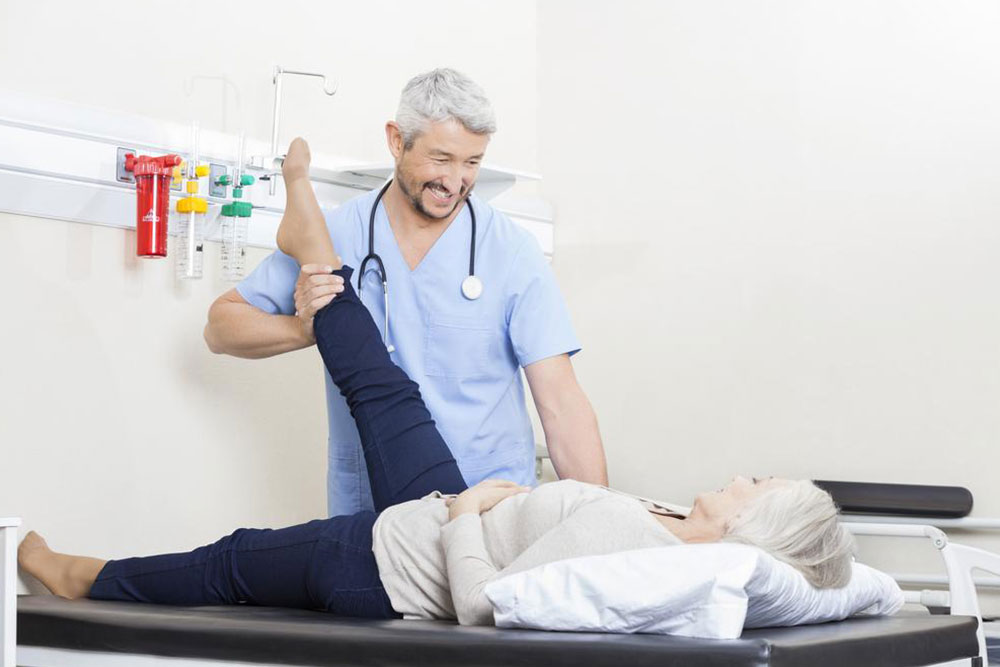
Effective Lower Body Workouts for Elderly Adults
Maintaining a balanced weight and engaging in gentle physical activity are vital for older adults to prevent muscle loss. Regular movement supports overall health and becomes increasingly important with age, helping with daily activities like climbing stairs or standing up independently.
Building lower body strength through specific exercises helps seniors stay autonomous and mobile. Here’s why leg exercises are beneficial:
Boosts muscle strength and tone
Assists in lowering blood pressure, reducing cardiovascular risks
Supports bone density, decreasing osteoporosis risk
Enhances blood sugar control and alleviates lower back discomfort
Here are essential leg exercises tailored for seniors to strengthen lower limbs:
Ankle rotations
Improves ankle flexibility, aiding in safe walking motions.
Knee extensions
Strengthens knees, promoting better stability and balance.
Hip marches
Corrects seated posture, activating core muscles, hips, and thighs.
Calf raises
Strengthens calves, supporting easier walking on uneven surfaces and improving circulation.
Lunges
Target quadriceps and hips to assist with standing and lifting around the house.
Partial squats
Improve stability, hip flexibility, and thigh strength.
Heel stands
Strengthen lower legs, aiding toe lifting without stumbling.
Hip extensions
Promote hip health, enhancing walking and mobility.
Leg raises
Focus on quadriceps and hip flexors for better walking and leg strength.
Important:
If you have health limitations, seek advice from a physiotherapist or certified trainer for personalized routines.