Effective Ways to Prevent and Control Dog Flea Problems
Discover practical strategies to effectively prevent and manage flea infestations in dogs. Learn about trusted flea treatments like Capstar, Trifexis, and Sentinel, their benefits, and safety tips to keep your furry friend healthy. Always consult a veterinarian before starting any new medication plan for your dog to ensure proper care and safety.
Effective Ways to Prevent and Control Dog Flea Problems
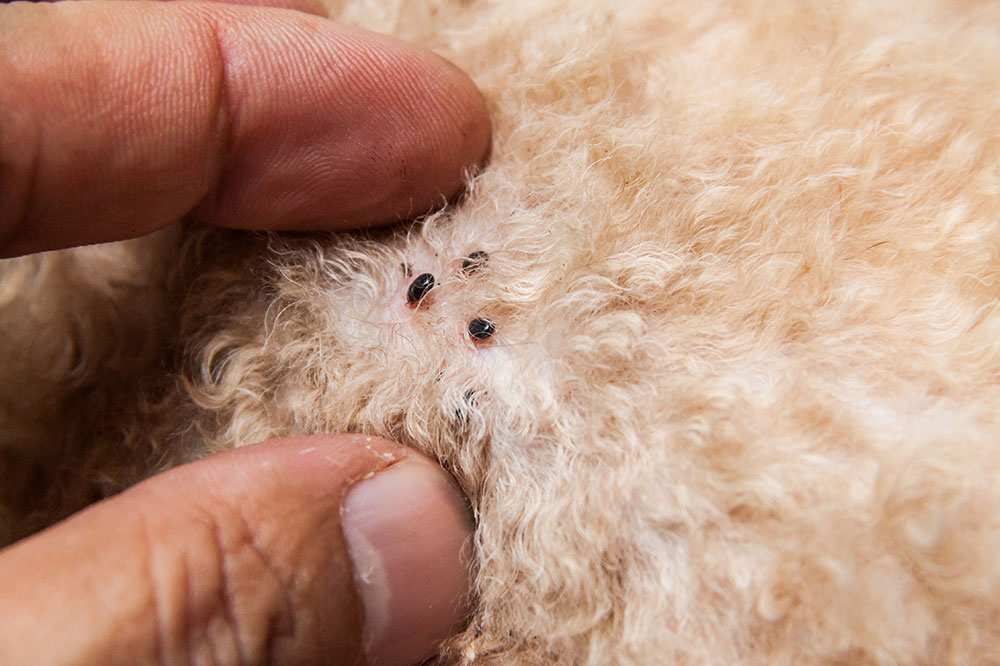
Fleas can rapidly infest a dog's coat, leading to discomfort and skin irritation. Sensitive dogs may develop allergic reactions from flea bites. Luckily, numerous products, including flea pills, are available to eliminate these pests. These treatments not only eradicate fleas but also guard against ticks and intestinal worms. Below are some trusted flea control solutions to keep your dog healthy and comfortable.
Capstar Flea Tablets
Capstar is a well-known brand offering effective flea treatment tablets for dogs and puppies. They help prevent allergic dermatitis caused by flea bites.
The tablets start killing fleas within 30 minutes of administration and can be given daily in a single dose. They are available over the counter, but consulting your veterinarian first is recommended to ensure suitability for your dog.
Trifexis Chewables
These monthly chewable tablets protect against fleas and help prevent heartworm disease. They contain agents like milbemycin oxime and spinosad, targeting multiple parasites and reducing infestation risks. The tasty beef-flavored tablets are suitable for pets aged 8 weeks and older, weighing at least 5 pounds. Due to their potency, side effects may occur, so veterinary advice is advised.
Sentinel Flavor Tabs
Designed for dogs over 4 weeks old and weighing more than 2 pounds, these flavored tablets effectively prevent worms like roundworm, hookworm, and whipworm. Since they taste like treats, administering them is easy. They also protect against intestinal worms that can harm digestion. Seek veterinary advice if side effects such as vomiting, diarrhea, lethargy, excessive salivation, or weakness appear, especially if your dog is on other medications.
Important Reminder:
The information shared here is for educational purposes only and does not replace professional veterinary guidance. Always consult a vet before initiating any medication or treatment for your pet. We do not assume responsibility for inaccuracies or data discrepancies. Keep in mind that offers and schemes may vary and could provide more advantages than those discussed here.