Effective Techniques for Managing Urinary Tract Infections
Learn proven strategies for effectively managing urinary tract infections, including symptom recognition, diagnosis, treatment options, and prevention tips. This guide emphasizes the importance of medical consultation and lifestyle adjustments for optimal health outcomes.
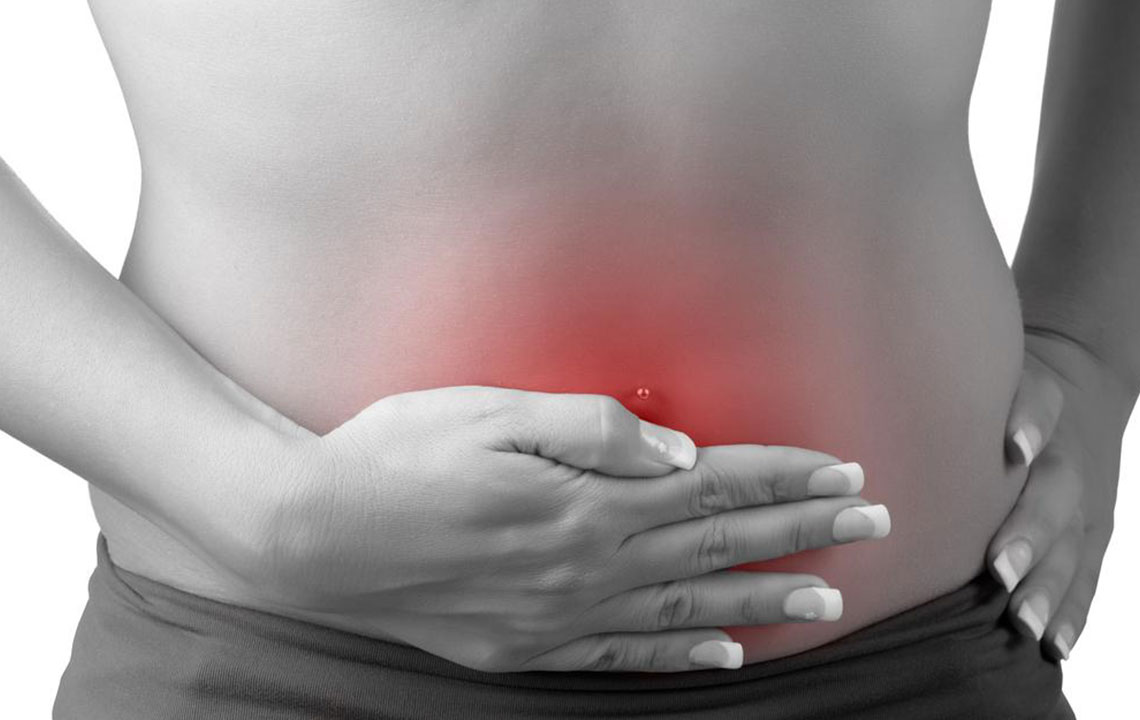
Understanding UTIs and Strategies for Effective Treatment
Urinary tract infections (UTIs), also known as cystitis, are common health concerns, particularly among women. Approximately half of all women will face a UTI at some point in their lives.
These infections occur when bacteria from the digestive or pelvic regions invade the urinary system, leading to bladder inflammation. While bacteria are the primary cause, fungi, irritants, stones, and injuries can also play a role in causing UTIs.
Typical UTI Symptoms
Patients often experience lower abdominal pain, burning during urination, urgency, frequent urination, and sometimes blood or cloudiness in urine. Infants may show fever and fussiness, while elderly individuals might notice fatigue, incontinence, or mental changes.
Diagnosing UTIs
Proper diagnosis involves urine testing—analyzing for pus and white cells, dipstick tests for leukocyte esterase and nitrites, and urine cultures to identify bacteria. A culture over 100,000 colony-forming units per milliliter suggests infection, but clinical evaluation remains vital.
Treatment Methods
Use of Antibiotics: Doctors prescribe antibiotics based on symptoms or lab results to quickly resolve infections. Recurrent or severe cases require medical attention.
Pain Relief: Analgesics can ease discomfort during infection.
Hydration: Drinking ample water helps flush bacteria, reducing infection risk.
Vitamin C Intake: Increasing vitamin C intake helps acidify urine, hindering bacterial growth.
Avoiding Bladder Irritants: Limit caffeine, alcohol, spicy foods, and artificial sweeteners to prevent aggravation.
Prevention Tips: Regular urination, especially after sex, good hygiene practices like wiping front to back, and not holding urine are key preventive measures. Consult healthcare providers for personalized advice.
Always seek professional medical guidance before starting treatment to ensure safety and effectiveness.
Note:
This educational content is for informational purposes and not a substitute for medical advice. For diagnosis and treatment, please consult healthcare professionals. The content provided may not reflect the latest research or personalized medicine options.