Effective Strategies for Preventing and Treating Age-Related Skin Spots
This guide provides effective strategies for preventing and treating age spots, covering causes, natural remedies, and professional procedures. It offers practical tips to maintain youthful, healthy skin by understanding pigmentation origins and suitable treatments for different skin types. From home solutions like aloe vera and lemon juice to advanced therapies such as laser treatments, learn how to combat age spots effectively and restore skin radiance.
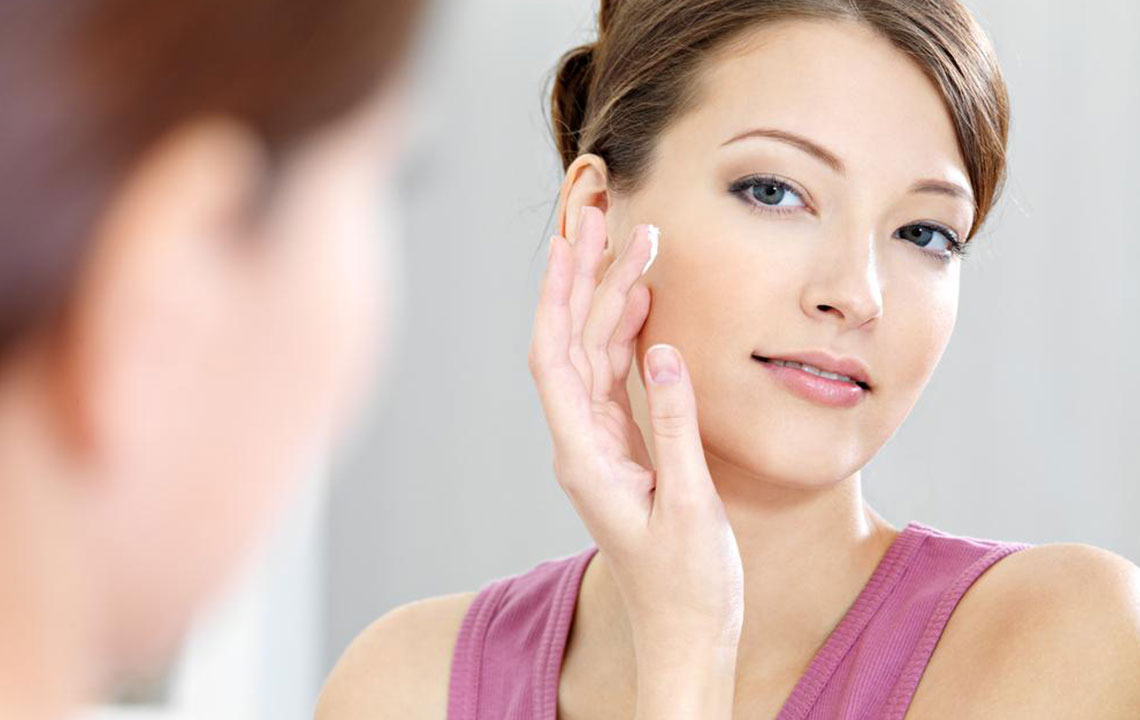
Comprehensive Strategies for Age-Related Skin Spot Prevention and Care
Age-related skin spots, commonly called liver spots or sun spots, manifest as flat, pigmented patches on the skin. They often appear on sun-exposed areas such as the face, hands, arms, neck, and shoulders, varying in color from light to dark brown and sometimes red. These spots tend to dull the skin’s appearance. Understanding their origins—mainly sun damage and age-related cellular changes—is key to developing an effective treatment plan. Factors like UV exposure and skin aging process significantly influence their formation.
Why Age Spots Develop
Primarily caused by sun exposure, age spots result from increased melanin production in response to UV rays. Over time, skin cells accumulate lipofuscin, a pigment that leads to darker patches. Additionally, cellular aging causes pigment-laden cells to build up, influencing surrounding tissues. While sun damage is the main factor, natural aging alters skin cell behavior, contributing further to pigmentation issues, which appear as age spots.
Sunlight increases melanin in areas like the face, hands, and shoulders, creating visible spots. Aging processes, such as lipofuscin buildup in basal cells, enhance pigmentation. Recognizing these causes aids in choosing suitable remedies to diminish their size and improve skin vitality.
Treatments for Age Spot Reduction and Care
Various approaches—from home remedies to professional therapies—are available, making it possible to select options based on personal preference and skin type.
Home Remedies
Aloe Vera: Its soothing and healing nature helps reduce inflammation and fade age spots gradually. Easy to access and cultivate at home.
Apple Cider Vinegar: Contains alpha hydroxy acids that exfoliate dead skin cells and promote renewal. Daily application can produce visible results.
Lemon Juice: Rich in citric acid, it lightens pigmentation when applied with rose water twice daily.
Tomatoes: Loaded with lycopene and enzymes, they act as antioxidants and natural skin lighteners, brightening age spots.
Castor Oil: Regular massage encourages skin healing and diminishes pigmented areas.
Professional Options for Age Spot Lightening
Chemical Peels: A chemical solution removes outer skin layers, revealing clearer skin underneath. Sun protection afterward is crucial.
Cryotherapy: Freezing pigmented cells with liquid nitrogen helps lighten spots, suitable for small patches.
Laser and Light Treatments: These target melanin-producing cells, breaking down pigmentation over multiple sessions, with minimal side effects.
Dermabrasion: A rotating brush sands away pigmented skin, encouraging new, radiant skin growth. Multiple treatments may be needed, with temporary redness likely.