Diverse Types of Bottled Water and Their Origins
Explore the history, types, and quality considerations of bottled water, a trusted hydration choice worldwide. Learn about its origins, categories, and how to choose quality brands for safe drinking. Perfect for travelers and health-conscious consumers seeking purity and convenience.
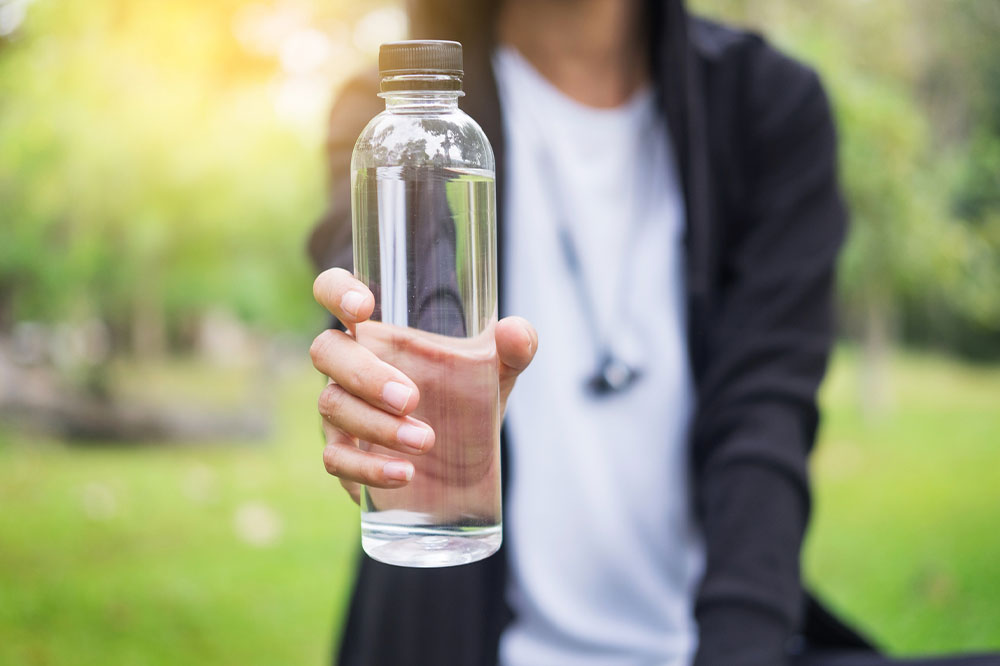
Bottled water offers an easy and portable hydration solution, ideal for travelers and busy individuals. It ensures safe drinking water without needing to rely on public fountains or taps.
History of Bottled Water
The practice of transporting drinking water in bottles dates back many centuries across different cultures. The earliest known commercial bottled water originated in Britain in the 1600s, with Malvern Spring Water sourced from a revered well on the Malvern Hills.
This water was believed to have healing qualities and spiritual importance. The first recorded bottling happened in 1622. Over time, local vendors and brands like Schweppes popularized bottled spring water, increasing demand.
In the 19th century, mineral waters gained recognition in health spas, valued for their mineral content and perceived health benefits. The invention of carbonation enabled producers to create fizzy drinks resembling natural mineral waters.
As concerns about contaminated municipal water grew, the demand for bottled water increased, especially in the early 20th century, as a safer alternative. While chlorination reduced reliance on bottled options, bottled water remains a preferred choice for convenience and travel. It ranks as the second-most consumed beverage in the United States today.
Brands differ depending on origin, such as artesian or spring water, and purification methods, including distilled or purified water.
Categories of Bottled Water
Bottled water can be classified based on source and processing into various types:
Purified Water
Water from any source that is processed through methods like distillation or reverse osmosis to remove impurities and microbes before bottling.
Distilled Water
This method involves boiling water and capturing the condensed steam to eliminate minerals and bacteria.
Municipal Water (PWS)
Tap water that undergoes additional treatment to remove remaining contaminants.
Artesian and Spring Water
Collected from underground sources; artesian water is drawn from wells tapping into underground aquifers, while spring water flows naturally from underground springs.
Mineral Water
Originating from natural sources, mineral water contains at least 250 ppm of dissolved solids, offering potential health benefits from its mineral content.
Selecting High-Quality Bottled Water
Leading brands like Aquafina, Crystal Geyser, Dasani, Evian, and Nestlé Pure Life are assessed based on pH, taste, and packaging. A neutral pH of around 7 is ideal, while overly acidic or alkaline water may pose health risks. Taste preferences favor brands such as Fiji, Resource Spring Water, and Crystal Geyser. Packaging quality and eco-friendliness also influence consumer choice. Despite many regions having safe tap water, bottled water remains a popular, convenient, and reliable source of pure hydration worldwide.