Effective Strategies for Managing Trigger Finger
Discover effective strategies to treat trigger finger, including medications, conservative therapies, and surgical options. Recognize symptoms early to seek appropriate care and improve finger mobility. Always consult healthcare professionals for personalized advice.
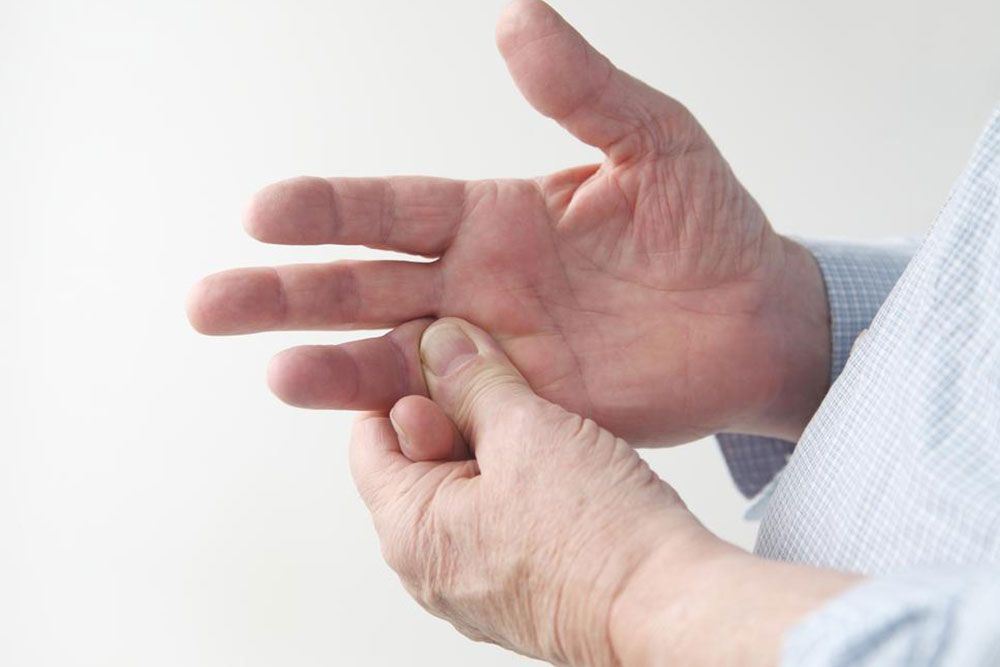
Methods to Heal Trigger Finger
Trigger finger, also called stenosing tenosynovitis, occurs when tendons in the fingers or thumb become inflamed or swollen. This leads to discomfort that can range from mild to severe. The condition often relates to underlying issues such as arthritis, gout, rheumatoid arthritis, or diabetes. Repetitive gripping motions are common triggers. Recognizing symptoms is crucial for appropriate treatment:
Pain or stiffness at the base of fingers or thumb
Popping or catching sensation during movement
Limited finger or thumb mobility
If you're looking for effective remedies, consider these approaches:
- Medications: Nonsteroidal anti-inflammatory drugs like ibuprofen or naproxen can reduce pain, though may not fully resolve swelling.
- Conservative Treatments: Resting the hand, applying ice or heat, using splints, and performing gentle exercises can promote healing and maintain flexibility.
- Medical Interventions: Surgery is usually a last resort if other therapies fail. Cortisone injections can also help decrease inflammation around the tendons.
Important Notice:
Our blog provides helpful insights across various topics. However, articles are for informational purposes only and should not replace professional medical advice. For personalized treatment, please consult a healthcare professional. We do not guarantee the accuracy of all information shared.