Guidelines for Assisting Someone During an Epileptic Episode
This article provides comprehensive guidance on assisting someone during an epileptic seizure. Key steps include staying calm, ensuring safety, monitoring the duration, and offering reassurance afterward. Proper knowledge can help save lives and reduce injury risks during these episodes. The advice emphasizes avoiding restraint and objects in the mouth, supporting the person's head, and creating a safe environment. Understanding seizure first aid is essential for caregivers, friends, and bystanders to act confidently and effectively when witnessing an epileptic event.
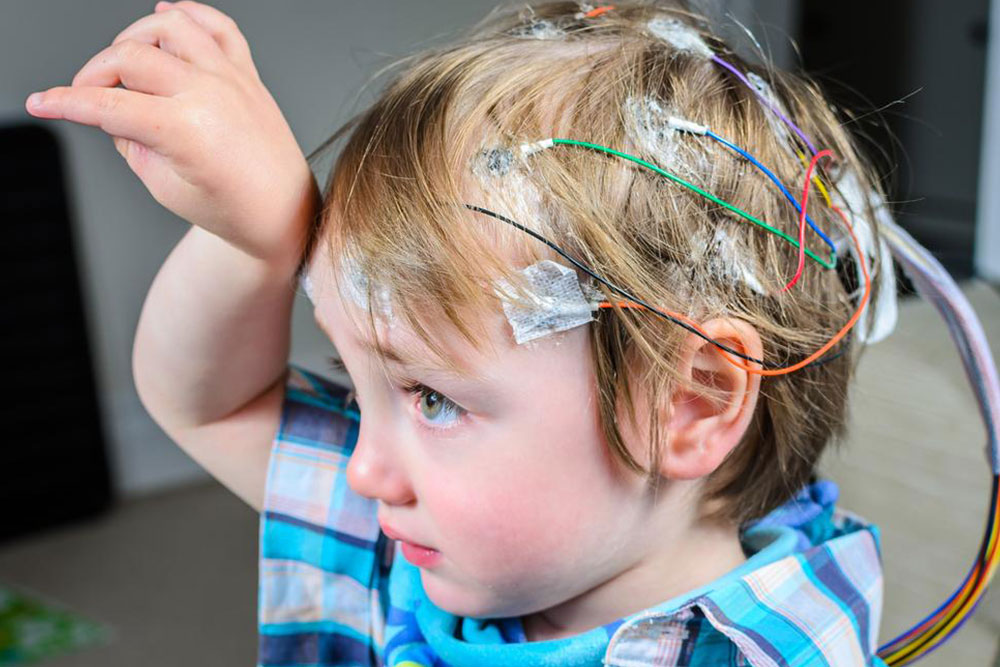
Effective Ways to Support Individuals During a Seizure
Epilepsy can cause intense physical and emotional challenges for those affected. This neurological condition disrupts normal brain activity, resulting in seizures. Repeated episodes can influence mental well-being and social life. Providing prompt and correct assistance can significantly help someone during a seizure. Here are essential steps to follow when witnessing an epileptic event.
Remain Calm – Staying composed is vital during a seizure. Although it looks distressing, most seizures are not dangerous. Panic can impair your ability to assist properly and may worsen the situation. Keep a steady mind to offer effective support.
Monitor Duration – Keep track of how long the seizure lasts. If it continues beyond five minutes or repeats without recovery, seek emergency medical help immediately.
Ensure Safety – Clear the surroundings of objects that could cause injury. Keep the person away from furniture or sharp items. Do not restrain their movements but protect their head and body from harm.
Avoid Putting Anything in the Mouth – Never insert objects into the person's mouth. This can lead to choking or oral injuries. Focus on supporting their head and preventing injury.
Prevent Injuries – Gently support the person's head or body to avoid falls or hitting nearby objects. If feasible, guide them to the floor carefully to minimize harm.
Loosen Tight Clothing – Loosen clothing around the neck or waist to aid breathing. Position the person comfortably in a safe posture to facilitate recovery.
Provide Reassurance – After the seizure, the individual may feel confused or embarrassed. Offer reassurance and stay with them until they are fully alert.