Proven Methods to Revitalize Blooming in Moth Orchids
Learn effective strategies to stimulate your Moth orchids (Phalaenopsis) to bloom again. Proper watering, humidity, lighting, and temperature management are essential for encouraging reblooming. Follow these expert tips to ensure your orchids stay healthy and flourish season after season.
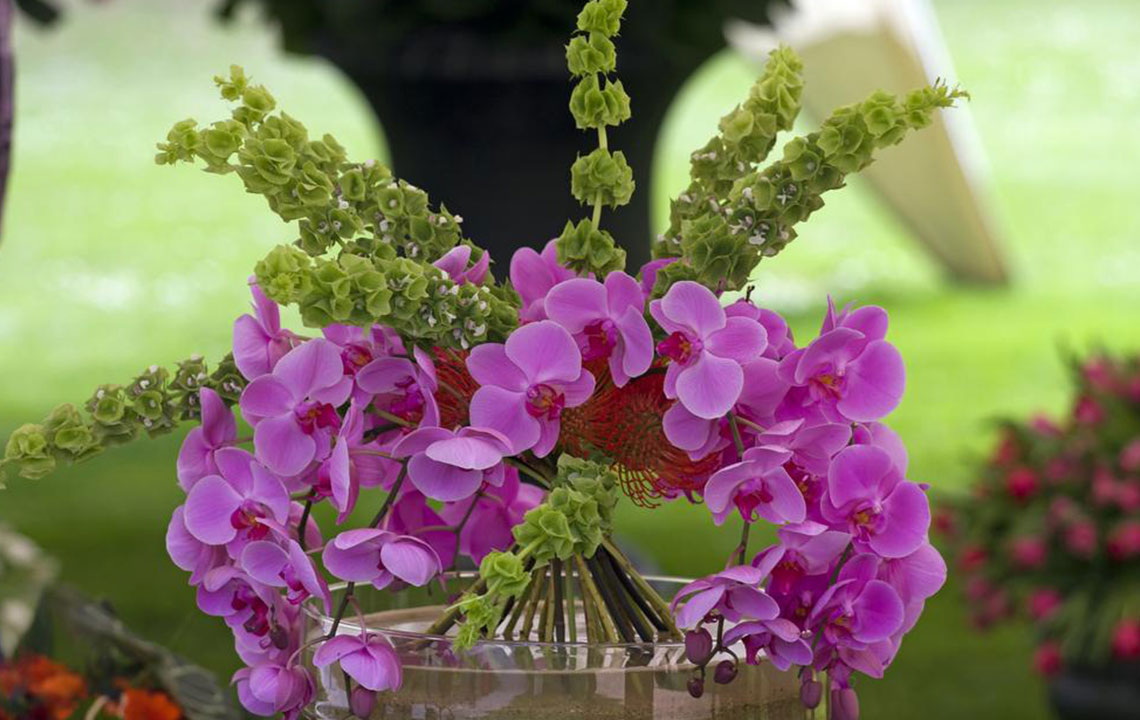
Proven Methods to Revitalize Blooming in Moth Orchids
Moth orchids, scientifically known as Phalaenopsis, are admired for their elegant flowers and low-maintenance nature. While they typically bloom once a year, encouraging a second flowering requires specific care strategies. Proper attention after blooming ensures these orchids stay healthy and ready to rebloom in the next cycle.
Effective Techniques for Encouraging Re-Blooming
Watering and Humidity Control
Keeping the right moisture and airflow is essential. Use a fast-draining substrate like fir bark and water consistently, avoiding root dehydration. During dry periods, increase humidity with pebble trays or humidity mats, placing pots above water without submerging.
Growing Substrate
Moth orchids are epiphytes that flourish in a mix of pine bark, charcoal, and sphagnum moss, which promotes proper drainage and healthy root aeration.
Feeding Routine
Using specialized orchid fertilizers regularly supports robust growth and flowering. Opt for water-soluble formulas tailored for orchids for best results.
Lighting Conditions
Provide bright, indirect light for optimal health. Phalaenopsis orchids prefer filtered sunlight or full-spectrum grow lights, avoiding direct sun exposure.
Temperature Regulation
Cooler nights—10 to 15°F lower than daytime temperatures—are vital for triggering blooms. Maintaining cooler nighttime temperatures encourages flowering cycles.
Following these expert tips will help you identify the best indoor environments and care routines to successfully promote your Moth orchids to rebloom.Note:
Our blog offers a variety of well-researched content on different topics. While we aim for accuracy, please treat our advice as general guidance. We are not liable for discrepancies. Always consult multiple resources for comprehensive orchid care guidance.