Is It Safe to Unlock Your Mobile Phone?
This article explains the process of unlocking smartphones, the benefits of unlocked devices, and how to safely unlock or purchase them. It highlights the importance of understanding carrier policies and choosing the right device for flexibility and cost savings.
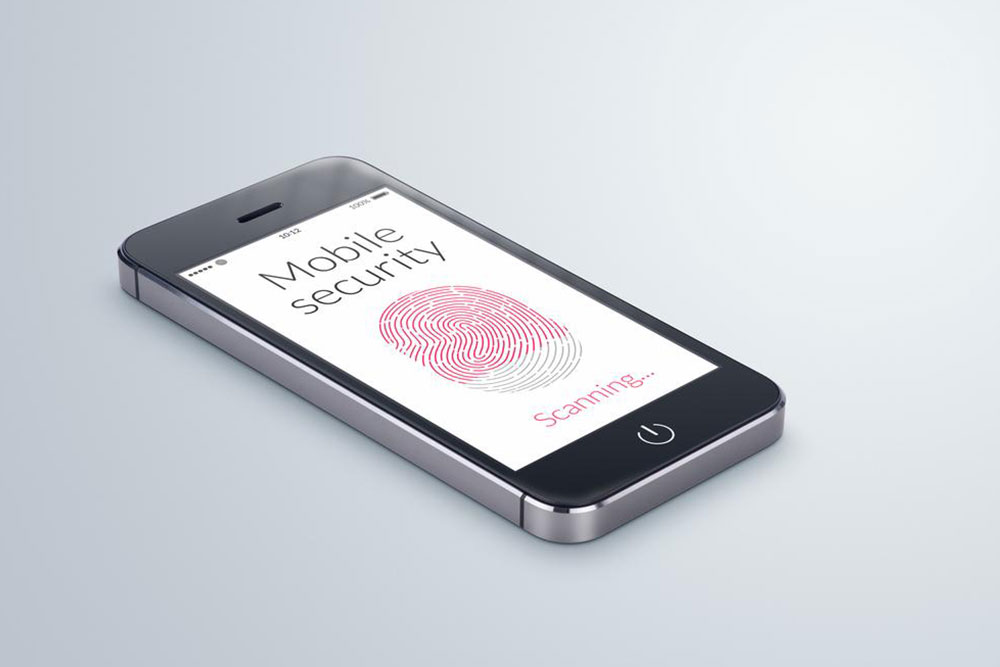
Is It Safe to Unlock Your Mobile Phone?
Many smartphones are locked to specific carriers, but unlocking them is often achievable through certain procedures. Carriers lock devices to retain customers and prevent switching. You can request an unlock from your network provider, though they might deny the request if you're still under contract. Alternatively, third-party unlocking services exist but may void your warranty or pose security risks.
What does an unlocked smartphone mean?
An unlocked phone isn't tied to any carrier and can be used across various networks, providing greater flexibility for users.
Typically, phones are associated with carriers like Verizon, T-Mobile, or Sprint, even when purchased from third-party sellers.
Post-purchase tips for unlocked devices:
To activate an unlocked phone, insert a compatible SIM card from your chosen carrier. The SIM card stores your phone number and network info, enabling calls, messaging, and data access.
Opting for an unlocked phone grants choosing your preferred provider and can save costs. Nonetheless, selecting a compatible device requires careful research.
How can you unlock a phone? Generally, some models can be unlocked, but it often requires assistance from your carrier or special procedures. Carriers prefer to keep devices locked, especially during contracts. You can request unlocking from your provider, but approval isn't guaranteed.
Where to buy unlocked smartphones?
Purchasing an unlocked phone directly from manufacturers or authorized retailers is usually more straightforward and reliable than unlocking a model later. Although they might cost more, they provide peace of mind and avoid third-party unlocking risks.