Choosing the Right Nutrition for Your Indoor Cat
Choose the best nutrition for your indoor cat to promote health and vitality. Learn about essential nutrients, suitable food options, and dietary adjustments for different life stages to keep your feline friend happy and active.
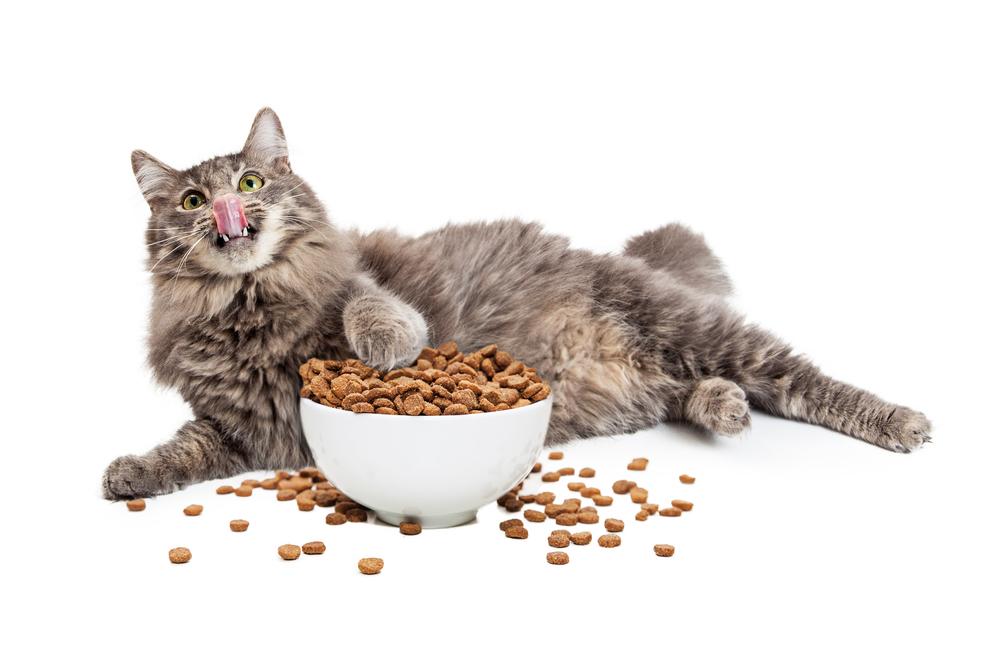
Choosing the Right Nutrition for Your Indoor Cat
Ensuring your indoor cat receives proper nourishment is key to their overall health and vitality. Since cats rely on diet for essential nutrients, selecting the right food is crucial. As obligate carnivores, cats need animal-based proteins and should avoid vegetarian or vegan options. Proper nutrition helps prevent health issues, maintain an ideal weight, and support an active lifestyle suitable for their breed.
Important nutrients for cats include:
Proteins:
Necessary for muscle growth; high-quality proteins from meat should fulfill about 95% of their protein requirements.
Fats:
Omega-3 and omega-6 fatty acids contribute to a shiny coat and healthy skin.
Fiber:
Facilitates digestion and reduces gastrointestinal problems.
Vitamins and minerals:
Essential elements like vitamins A, E, K, B complex, calcium, phosphorus, and iodine support overall health.
Taurine:
An essential amino acid critical for feline well-being.
Cats have shorter digestive tracts, making them sensitive to excess carbs such as grains and vegetables. Opt for high-quality dry foods like Hill’s Science Diet that contain easily digestible carbohydrates. Always check ingredient labels and select foods that meet AAFCO standards.
As cats age, their nutritional needs change. Kittens and nursing cats require extra calories, fats, and nutrients for growth and lactation, while seniors need less fat to avoid weight gain. Combining wet and dry foods introduces variety and keeps mealtimes engaging. Provide constant access to fresh water, and consider wet food if hydration is a concern. Avoid feeding human foods like chocolates, onions, grapes, raisins, caffeine, or dairy, as these can be toxic.
Adapting your cat's diet throughout their life ensures they stay energetic and healthy—a vital aspect of responsible pet ownership.