Advantages of OLED Displays Over Traditional Custom Screens
Explore the differences between OLED displays and traditional custom screens, focusing on aspects like brightness, viewing angles, size options, and cost. Discover why OLED technology is gaining popularity for its superior image quality and wide viewing angles, despite higher prices. Learn how to choose the best display solution based on your needs and budget.
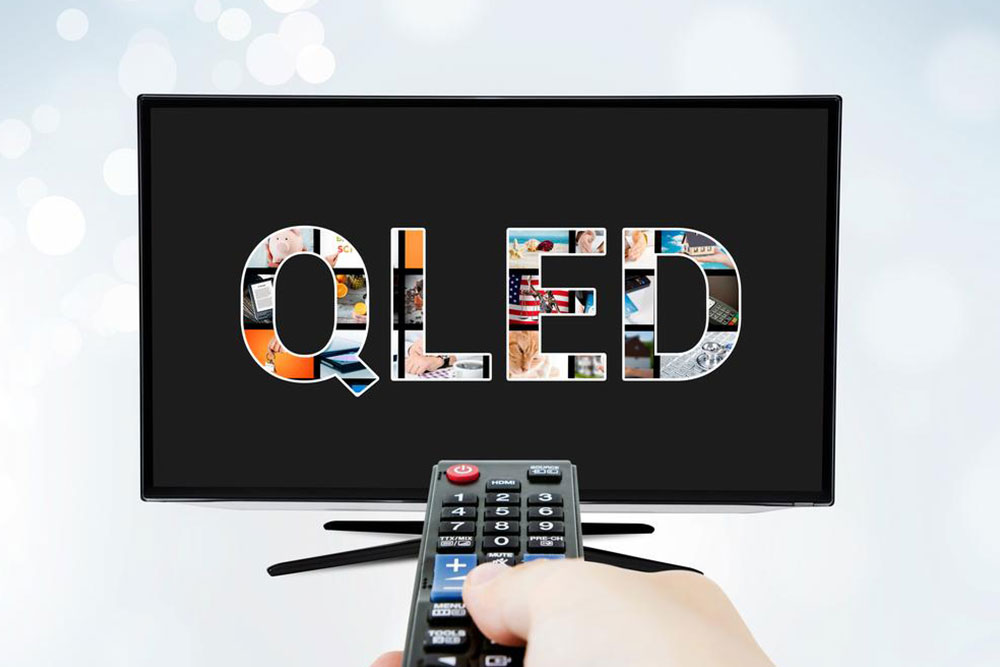
Understanding the Benefits of Modern OLED Technology Compared to Custom Displays
Since the early 2000s, display technology debates have revolved around LED/LCD versus plasma. With plasma phased out, advancements have shifted toward OLED and QLED options from manufacturers like Samsung. Typical custom TVs mostly use LCD panels, including LED and QLED variants. Alternatively, OLED screens utilize self-illuminating pixels, unlike LCDs that rely on backlit LEDs to produce images.
Both OLED and LCD-based TVs offer vibrant visuals suitable for various lighting conditions.
Brightness levels differ significantly: LCD displays can reach higher luminance thanks to their backlighting, a feature OLEDs cannot match.
Color consistency and viewing angles present challenges; LCD screens often experience color shifts or contrast loss when viewed off-axis. In contrast, OLED displays deliver uniform picture quality from all angles, making them more effective for large displays in shared spaces.
While LCD screens come in a broad range of sizes, from small to very large, OLED models typically are available in 55, 65, and 77 inches. Pricing is another factor: OLED TVs usually cost more, though discounts are becoming more common. Ultimately, the choice depends on preferences for higher image quality versus budget constraints; premium viewers may select OLED, while cost-conscious buyers might prefer LCDs.