Ultimate Guide to Storm-Tracking Adventures and Their Excitement
Discover the thrilling world of storm tracking, its history, scientific and recreational value, and the equipment used by passionate enthusiasts. Learn about the demographics and motivation behind storm chasers, primarily in the US, and how they contribute to weather research while pursuing adrenaline-fueled adventures.
The Fascination Behind Storm-Tracking
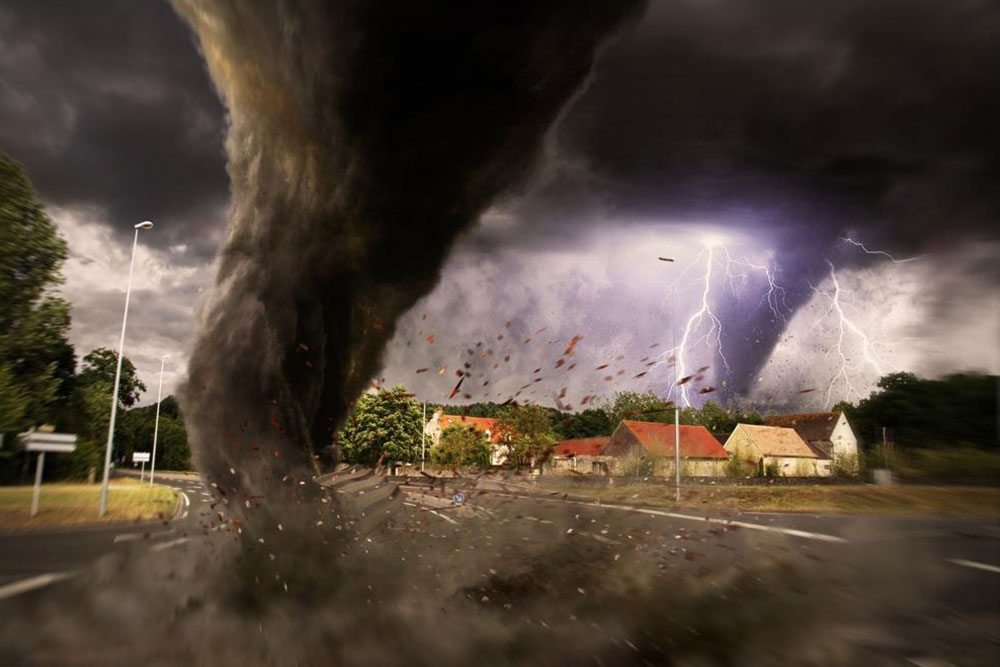
The origins of storm tracking date back to 1956 when North Dakota's David Hoadley began chasing storms to collect vital weather data from various stations and airports. Researchers like Neil Ward and Oklahoma University contributed significantly in establishing formal storm chasing activities. In 1972, collaborative efforts between Oklahoma University and the National Severe Storms Laboratory led to the development of tornado interception initiatives. Today, storm chasing is largely pursued for recreation, especially for photography and videography enthusiasts seeking adrenaline and dramatic visuals.
Beyond leisure, storm chasers play a role in scientific research by acting as storm spotters, providing valuable real-time data that improve warning accuracy and contribute to weather understanding. Most chase in lightweight vehicles equipped with weather tools, following storm patterns closely. Many pursue storm chasing out of passion or as a side income through media sales. While formal qualifications are not mandatory, storm spotter training offers valuable safety and information skills. Participants typically come from diverse backgrounds, predominantly males around age 35, with college education, mainly residing in the central and southern United States.
History and evolution of storm chasing
Scientific contributions and recreational aspects
Equipment and tools used in storm tracking
Chaser demographics and motivations