Guide to Mobile Phone Tracking Laws and Ethical Practices
This comprehensive guide explores cell phone tracking laws across U.S. states, emphasizing legal, ethical, and practical aspects. It details when tracking is permissible, how to do so responsibly, and the importance of consent and legal authorization. Understanding the legal boundaries helps avoid violations and penalties, especially when considering private investigation or law enforcement procedures. The article highlights various tracking tools, legal considerations, and safest practices for personal and professional use.
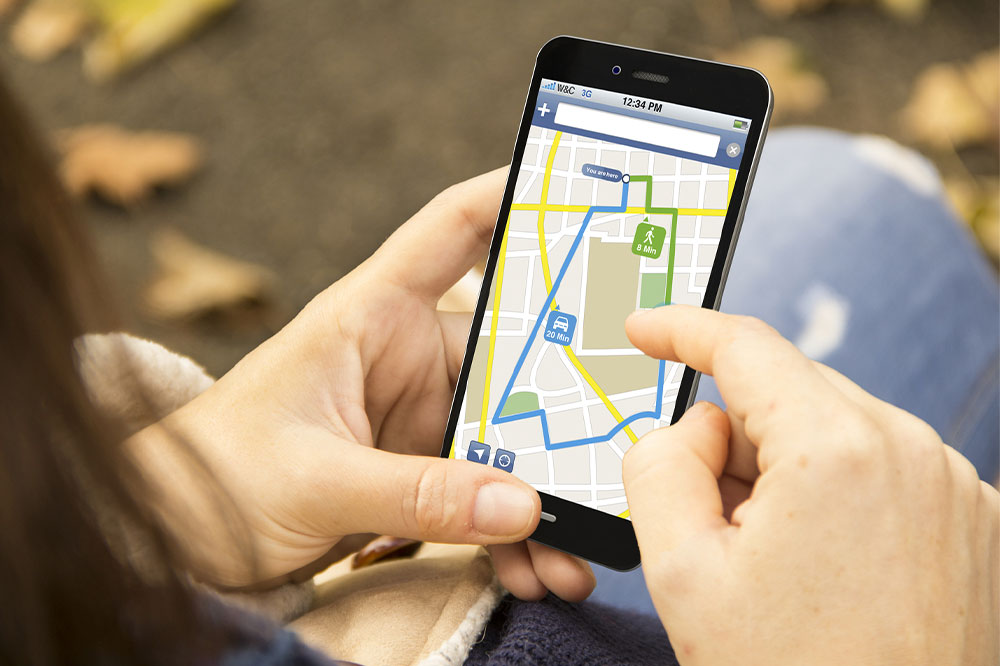
In today's digital era, smartphones routinely track our locations, often without explicit user awareness. Such data can disclose significant personal information, but legal systems are catching up slowly with the rapid tech advances. Law enforcement agencies sometimes access location data from service providers without obtaining warrants, though new legislation is strengthening privacy protections. The applicable laws largely depend on your state residency.
For instance, in Minnesota, authorities must secure a warrant to determine your real-time location, while in Illinois, they can access historical location data without consent. California restricts warrantless searches of location data by local authorities, but federal agencies may still do so. Always review your state’s specific regulations before attempting to track a phone.
Different states have varied laws: Alaska, Arizona, Arkansas, Hawaii, Idaho, Iowa, Kansas, Missouri, Nebraska, New Mexico, New York, North Dakota, Oklahoma, Oregon, South Dakota, Washington, Wisconsin, and Wyoming lack clear binding statutes. Alabama, Georgia, Illinois, Indiana, Kentucky, Louisiana, Michigan, Mississippi, Nevada, North Carolina, Ohio, South Carolina, Tennessee, Texas, and West Virginia permit warrantless tracking. States like California, Maine, Massachusetts, Minnesota, Montana, New Jersey, Rhode Island, Utah, and Vermont require warrants. Colorado, Connecticut, Delaware, and Pennsylvania offer partial protections, but conflicts exist in Florida, Maryland, and Virginia.
Tracking someone’s phone without their consent raises legal and ethical concerns. Typically, accessing or monitoring another person's device without permission is illegal. If authorized, coordinate with telecom providers. Otherwise, hiring a licensed private investigator is a legal alternative, as they operate within established boundaries.
Scenario 1
If you own the device or have permission, you can locate it using carrier services or tracking apps. Activating GPS or installing tracking software on iOS or Android devices enables live location updates. Popular options include:
AT&T Family Map — provides location history and zone alerts.
Sprint Family Locator — offers apps like Guardian for family monitoring.
Verizon Family Locator — similar features for various networks.
These applications support Android and iOS, allowing remote tracking within authorized networks.
Scenario 2
Monitoring a person’s phone without their permission is generally illegal, even with some data collection. Nonetheless, certain apps facilitate personal or family tracking:
Connect — merges social media activity and location updates.
Find My Friends — allows sharing locations with trusted contacts.
mSpy — a comprehensive tool for tracking location, messages, calls, and more.
Using these apps without consent infringes on privacy laws and can lead to legal repercussions.
Scenario 3
For ethical phone monitoring when you do not own the device, hiring a licensed private investigator is advisable. They adhere to legal procedures and understand permissible methods, including analyzing social media activity.
In summary, tracking a cell phone is lawful when authorized or in official law enforcement investigations. Unauthorized tracking can lead to severe legal penalties, including criminal charges and imprisonment. Interception of communications might also breach federal wiretapping laws, which can result in substantial incarceration.
Note: This article aims to provide general information and practical insights. It should not replace legal advice. For specific legal concerns related to phone tracking, consult a qualified attorney.