The Growing Popularity of Compact and Micro Homes in Contemporary Housing
Discover how tiny and small homes are reshaping modern living through affordability, sustainability, and mobility. These residences appeal to diverse individuals seeking minimalism and financial freedom, offering practical alternatives to traditional housing. While not suitable for everyone, tiny homes promote eco-conscious, flexible, and cost-effective lifestyles, especially beneficial for those valuing mobility and simplicity. Understanding zoning laws and personal needs is essential when considering these innovative housing options, which continue to grow in popularity worldwide.
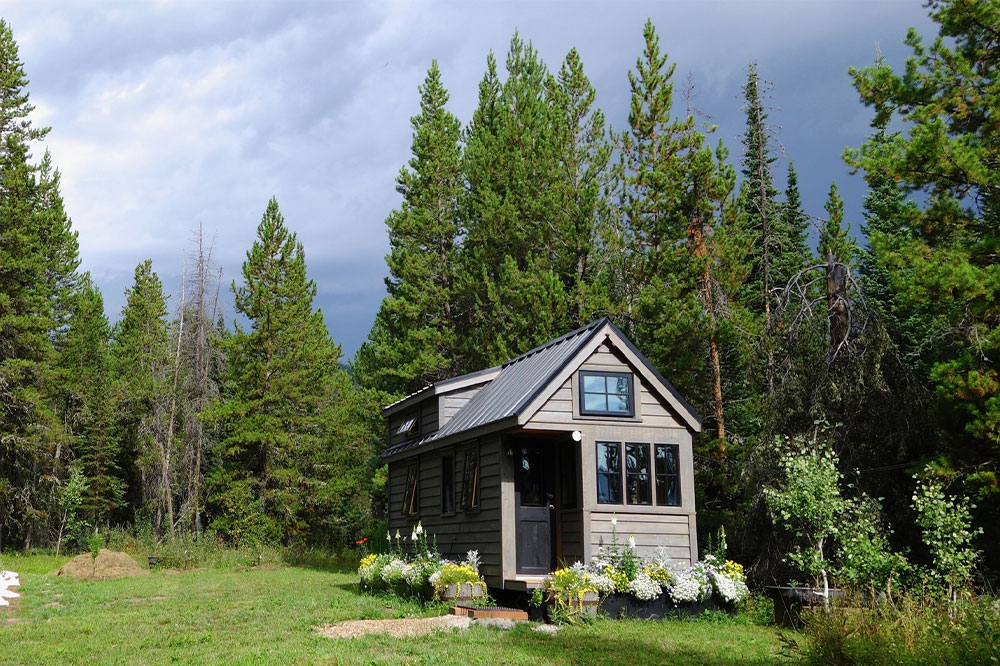
In recent years, compact and micro homes have transformed modern housing preferences by emphasizing simplicity and affordability. The tiny house movement, which gained significant traction after the 2008 financial crisis, advocates for downsizing to achieve greater financial flexibility. These homes, typically spanning 70 to 500 square feet, are often built at a fraction of traditional home costs, helping owners avoid debt while saving for the future. Many opt for eco-friendly, low-maintenance designs that support sustainability and enhanced mobility.
While average housing sizes in the U.S. approach 2,600 square feet with costs over $270,000, tiny houses can be built for around $23,000. This affordability attracts a broad demographic, including professionals earning substantial incomes. Tiny homes encourage minimalist living, reducing clutter, maintenance, and environmental impact. Many are mobile units, built on wheels, offering versatile living options.
Advantages of Small and Micro Homes
Affordable Construction and Maintenance: Smaller homes cost less to build and upkeep, promoting financial security.
Eco-Friendly Benefits: Reduced size and often solar features lower utility bills and decrease ecological footprints.
Streamlined Lifestyle: Minimalism reduces material possessions and clutter, aligning with smaller family sizes.
Mobility: Many are portable, providing flexibility to relocate easily.
Varieties of Small Housing Options
The movement includes tiny homes (70-500 sq/ft) and small houses (over 500 to 1,000 sq/ft). The latter caters to those wanting compact, functional spaces for families. However, zoning restrictions and land availability can limit placement of tiny homes, often confining them to specific areas or private land. While ideal for singles or retirees, small homes may not meet everyone's needs, especially larger families needing more space or privacy. Challenges include limited privacy, maintenance issues with pets, and quicker wear of furnishings in tight quarters.
Overall, tiny and small homes appeal most to individuals seeking financial independence, environmental sustainability, and simplicity. Although not suited for all, they present a practical, budget-friendly alternative for modern living, especially for those prioritizing mobility and cost savings.
Note: This overview provides insights into current housing trends. Always check local regulations and personal requirements before making housing decisions. The website is not responsible for future updates or discrepancies.