Effective Strategies for Managing Gout-Related Foot Pain
Learn about recognizing, managing, and preventing gout-related foot pain through lifestyle changes, diet, and medical treatment. Early intervention is key to avoiding joint damage and improving quality of life.
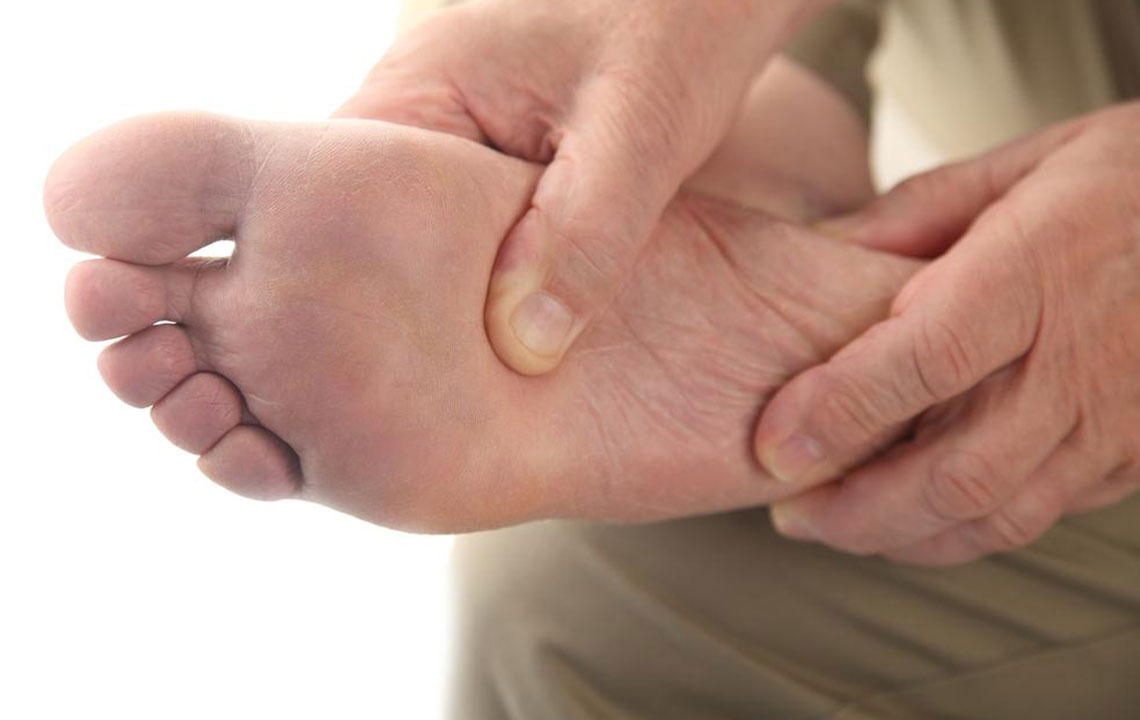
Effective Strategies for Managing Gout-Related Foot Pain
Gout is a form of inflammatory arthritis marked by sudden, severe joint discomfort. Typical symptoms include joint swelling, warmth, stiffness, and a burning feeling. If left untreated, gout can lead to joint deterioration and tissue damage. Elevated uric acid levels in the blood lead to crystal deposits in joints, often causing foot pain, especially in men. Risk factors include obesity, alcohol consumption, and intake of high-purine foods like fatty meats and seafood. Certain medications, such as diuretics, may also trigger episodes.
Most gout attacks occur at night, affecting the knees, ankles, and feet, and can last from days to weeks. Persistent symptoms require medical evaluation to prevent ongoing joint damage. As people age, gout attacks may become more frequent or intense, underscoring the importance of lifestyle modifications. Adopting a balanced diet, regular health checkups, and early treatment can prevent serious complications and enhance quality of life. Seeking professional medical advice ensures effective management through medication, dietary adjustments, and tailored exercises. Prompt care relieves pain and minimizes long-term effects.
Gout can also affect younger populations, highlighting the need for regular health screenings if pain persists. Various treatments and medications are available to control symptoms and prevent future episodes. Diagnosing gout involves analyzing joint fluid and measuring blood uric acid levels. Early anti-inflammatory treatment usually provides quick relief. Applying ice, staying hydrated, and following a gout-friendly diet are vital in managing flare-ups. Wearing comfortable clothing and limiting joint strain can also help. Consistent medical oversight and patient patience are essential for successful symptom control.