How Cholesterol Affects Leg Circulation and Health
This article explores how elevated LDL cholesterol levels can impair leg health by narrowing blood vessels, leading to pain, weakness, and reduced circulation. Managing cholesterol is key to preventing vascular problems and maintaining mobility.
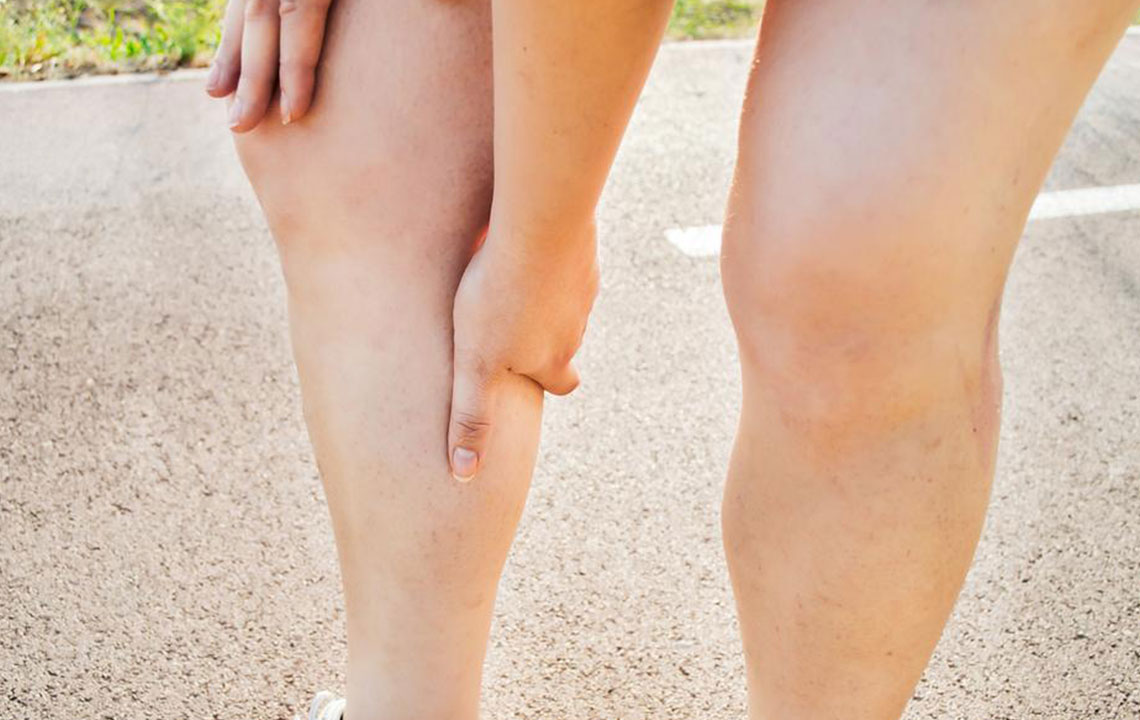
How Cholesterol Affects Leg Circulation and Health
Cholesterol, a waxy fat substance in our body, mainly comes from dietary sources. It exists as HDL, known as good cholesterol, and LDL, the bad type. High LDL levels can lead to cardiovascular issues like heart disease and diabetes. Excess LDL can also impair leg health by blocking blood vessels, causing symptoms such as pain, weakness, and numbness in the lower limbs. Managing cholesterol is crucial to maintaining healthy circulation and preventing vascular problems.
Blocked arteries: LDL buildup narrows arteries, limiting blood flow to the legs.
This restriction reduces oxygen and nutrient supply, leading to conditions like claudication—leg pain during activity. Over time, it can cause numbness and weakness, affecting mobility and overall leg function.
Poor circulation and tiredness: Insufficient blood flow causes legs to feel heavy and fatigued, even with light exertion. Chronic fatigue can decrease stamina and promote muscle discomfort.
Muscle cramps and spasms: Reduced blood flow may result in involuntary muscle contractions, often worsening at night and increasing discomfort.
If you notice persistent leg pain or fatigue, it’s vital to check your cholesterol levels to prevent further cardiovascular issues.