Key Insights Into Staphylococcal Infections You Should Know
Discover essential facts about staphylococcal infections, including symptoms, risk factors, diagnosis, and prevention tips. Learn how to protect yourself from this common bacterial infection with effective hygiene practices and proper wound care.
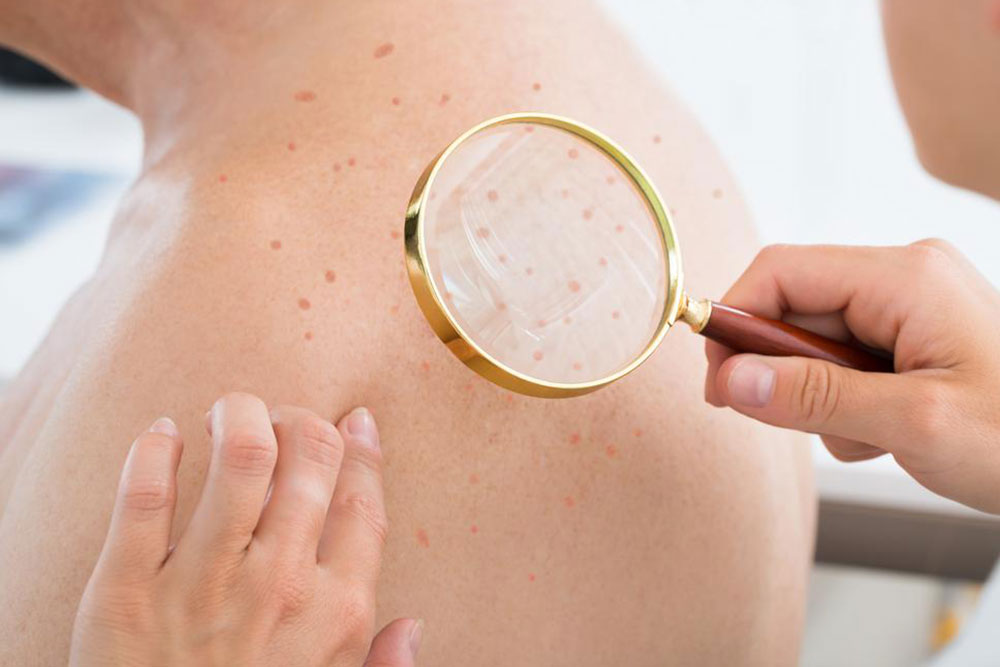
Staphylococcal infections are caused by the bacterium Staphylococcus, which appears as round cells that may be isolated, paired, or in clusters. These infections can target any body area, often starting at the skin or wounds. In some cases, bacteria may enter the bloodstream, causing serious health complications. Vulnerable groups include newborns, diabetics, immunocompromised individuals, nursing mothers, and recent surgical patients. Symptoms range from skin boils and abscesses to more severe conditions like impetigo, cellulitis, or sepsis. Diagnosis involves physical exams and lab tests, with treatments including antibiotics and wound management. Preventative measures such as covering wounds, good hygiene, avoiding sharing personal items, and careful tampon use can help prevent infection and promote recovery.