Exploring the Traits and Care of the British Bulldog
Discover the unique personality and care requirements of the British Bulldog. From their historical origins to modern traits, learn about their strength, stubbornness, protective nature, and best practices for diet and exercise. Proper training and socialization are essential to foster positive behaviors in this loyal breed, ensuring they thrive as loving companions.
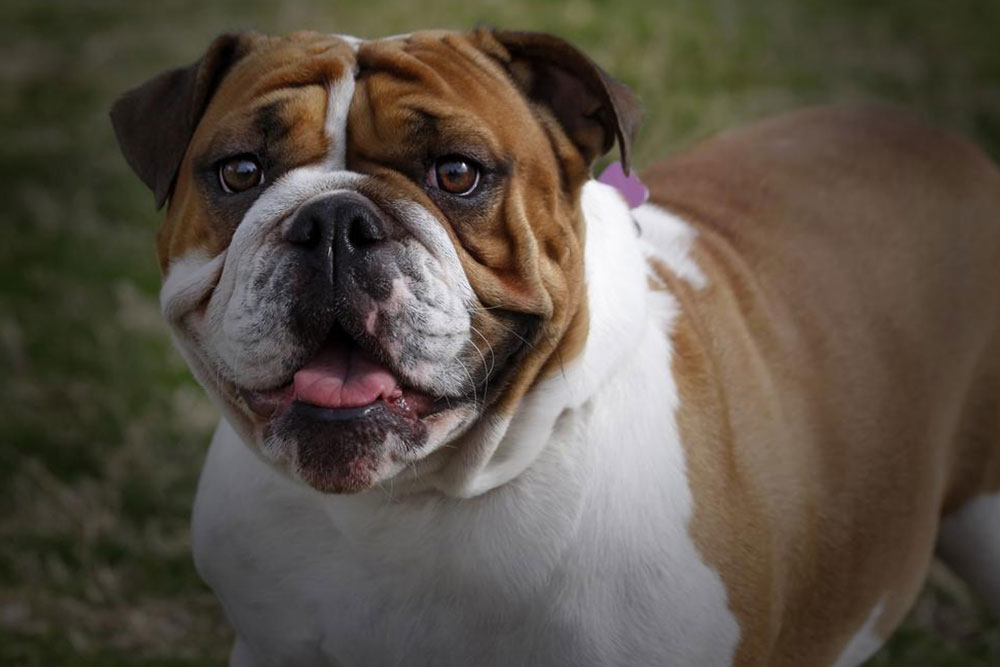
Exploring the Traits and Care of the British Bulldog
The iconic British Bulldog, with its short, drooping face, may appear intimidating, but their origins tell a different story. In the Middle Ages, they were used to assist butchers by confronting bulls, using their strength to bring them to the ground. Over generations, selective breeding transformed them into affectionate, relaxed companions who enjoy love and comfort.
This article highlights five prominent characteristics that define the British Bulldog.
British Bulldogs possess remarkable muscular strength relative to their size, making them one of the strongest breeds. Their power often necessitates the use of harnesses instead of collars to prevent injuries, as they can exert significant pulling force.
Despite their muscular build, they can be quite stubborn and resistant to training, especially if they lack interest. Consistent, patient, and positive reinforcement methods are key to effective training.
The breed was initially bred for fighting and baiting but today is known for loyalty, protectiveness, and a strong bond with their families. Their bravery allows them to stand firm when needed, but improper socialization can lead to aggressive behavior. Proper training and social exposure help develop their natural protective instincts into positive traits.
Feeding and Activity:
British Bulldogs love food, which can lead to obesity if not carefully managed. Maintaining a healthy weight is essential to prevent joint strain and health problems. While their activity level is moderate and they tend to be laid-back, regular gentle exercise such as short walks supports their overall health without overexertion.
Note:
Our blog offers valuable insights into various dog breeds to help owners better care for their pets. Although the information is based on research, it should not replace professional veterinary advice. Always consider individual needs and consult professionals when necessary.