Causes and Symptoms of Night Vision Loss
Discover the main causes and warning signs of night vision problems, including cataracts, retinitis pigmentosa, and vitamin A deficiency. Recognizing symptoms early can lead to effective treatment and prevent permanent vision loss. The article provides valuable insights into diagnosing and managing nyctalopia.
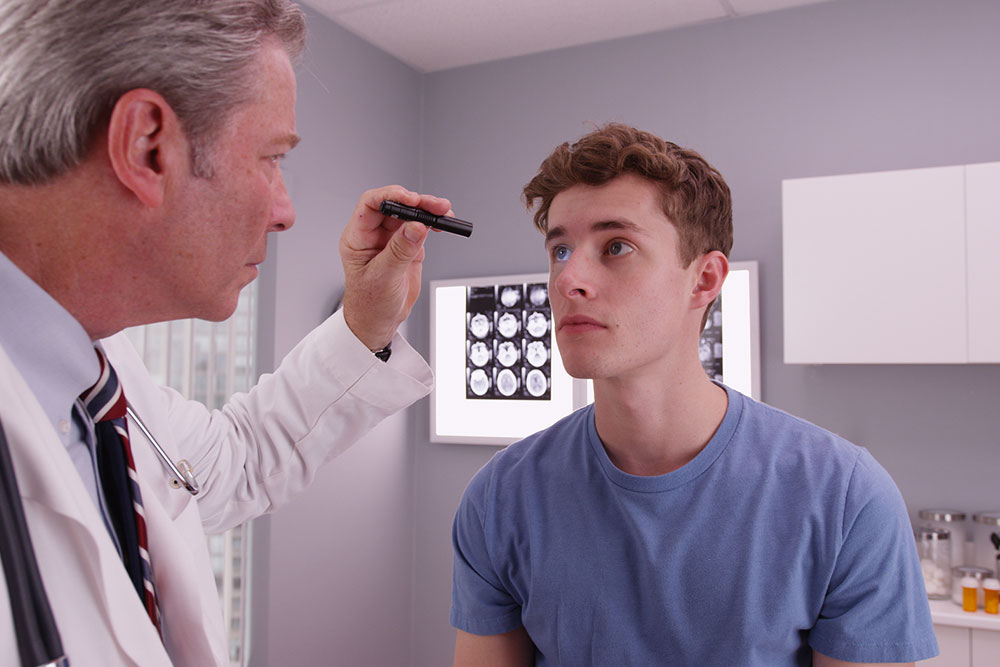
Night vision loss, known medically as nyctalopia, affects the eyes' ability to see clearly in dim environments and adapt quickly when moving between bright and dark areas. It usually indicates an underlying eye condition rather than a separate disease. Various issues affecting parts of the eye can cause nyctalopia, but many are treatable. Here, we discuss common warning signs and causes to be aware of.
How can you recognize night vision problems?
Early detection of symptoms can lead to timely treatment and prevent further vision deterioration.
Night vision impairment often develops through two main pathways:
Insufficient light reaching the retina: When less light reaches the retina, objects appear darker and less distinct, making it difficult to see. This can result from structural issues in the eye, such as abnormal iris responses or retinal problems.
Damage or malfunction of retinal cells: The retina's rods and cones convert light into signals. Damage to these cells hampers their ability to respond to light, causing night vision difficulties.
Several health conditions can damage retinal cells or cause their dysfunction, exacerbating night blindness.
Key signs and symptoms include:
Trouble seeing in low-light or dark settings at home
Difficulty driving after sunset
Inability to recognize people's faces in dark environments like theaters
Slow eye adjustment when entering dark rooms
Common causes of night vision loss include:
Cataracts: Age-related lens clouding caused by protein deterioration leads to blurry vision, especially in low light, making nighttime activities challenging.
Nearsightedness: When the eye's focusing system is mismatched with its length, light focuses in front of the retina, causing blurry vision and night blindness.
Vitamin A deficiency: Critical for healthy vision, insufficient vitamin A impairs retinal function and can lead to dryness and vision loss if untreated.
Glaucoma: Elevated eye pressure damages the optic nerve, potentially resulting in irreversible vision loss if not managed.
Retinitis pigmentosa: A genetic disorder damaging retinal cells responsible for peripheral and low-light vision, leading to night blindness and progressive vision loss.
Keratoconus: Thinning and bulging of the cornea distort focus, often causing night vision issues along with other visual problems.