Effective Non-Invasive Methods for Chronic Back Pain Relief
Explore effective non-invasive strategies for managing chronic back pain, including physical therapy, lifestyle changes, alternative therapies, and medication. Learn how to identify root causes and tailor treatments that promote recovery without surgery. Consulting healthcare professionals ensures safe and personalized pain management solutions.
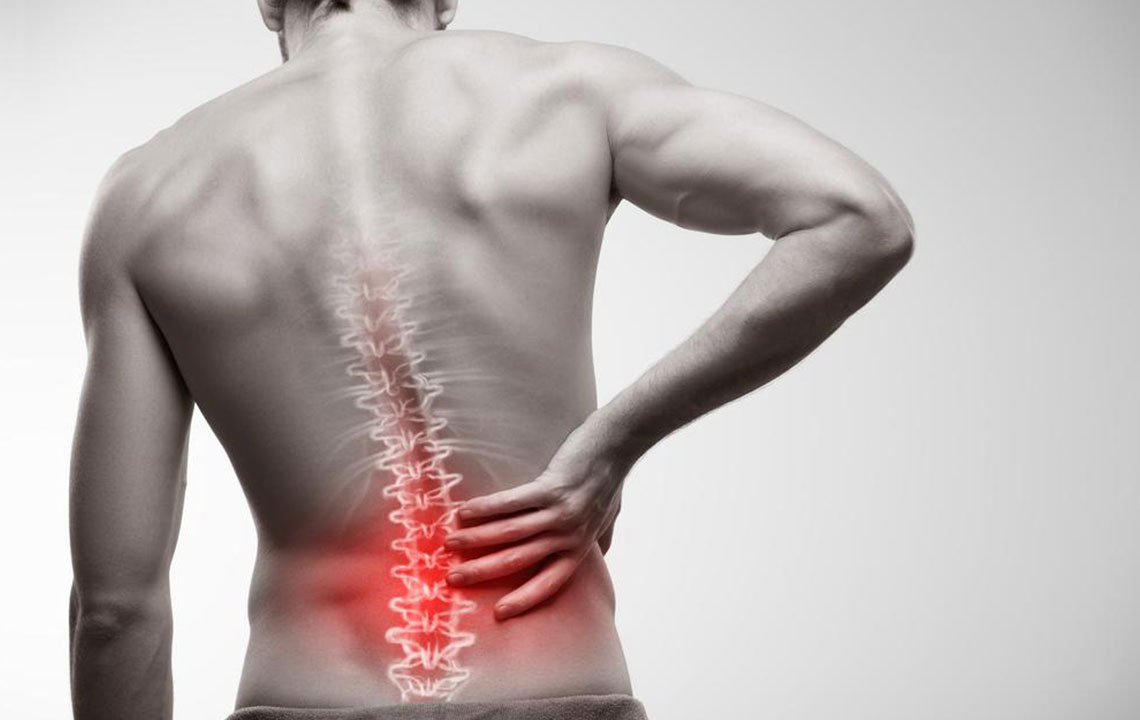
Effective Non-Invasive Methods for Chronic Back Pain Relief
Prolonged back pain lasting over three months is considered chronic. It may be unpredictable and frustrating, especially when no clear cause is evident. Managing this persistent discomfort can be difficult, but there are various non-invasive options that can help alleviate symptoms before contemplating surgery. Identifying underlying issues such as spinal stenosis, muscular tension, or disc problems is essential for selecting the best treatment approach.
Non-Invasive Treatments
These include physical therapy, lifestyle modifications, alternative therapies, and medication. Consulting with healthcare providers ensures a personalized plan that enhances recovery and reduces pain.
Physical Activity and Rehabilitation
Exercise is central to easing chronic back discomfort. Under professional supervision, tailored routines focusing on posture correction, aerobic fitness, flexibility, and core strengthening can make a significant difference. Regular practice at home further supports healing and progress.
Mental Health and Relaxation Techniques
Chronic pain can impact emotional well-being, leading to stress and depression. Mindfulness practices like meditation, yoga, and therapy can help manage psychological effects. Relaxation methods such as tai chi and breathing exercises encourage mental calmness and pain distraction.
Diet and Lifestyle Adjustments
Avoiding inflammatory foods—rich in trans fats, sugars, and refined carbs—can reduce pain levels. Maintaining a healthy weight reduces stress on the spine, aiding in pain control. Modifying daily routines to include frequent breaks, avoiding activities that worsen pain, and quitting smoking support overall health and recovery.
Injections and Medical Procedures
When pinpointing pain sources, options like epidural steroid injections, nerve blocks, and nerve ablations may be employed. While providing temporary relief, these are supportive measures and should be part of a comprehensive treatment plan under medical supervision.
Complementary Therapies
Approaches such as acupuncture, massage therapy, laser treatments, biofeedback, and electrical nerve stimulation can offer additional pain relief. Always consult healthcare professionals to determine suitable therapies for your specific condition.
Medication Use
Short-term use of muscle relaxants, anti-inflammatories, and pain relievers can help control symptoms. However, prolonged medication use, especially opioids, carries risks and often doesn't address the underlying cause. Professional guidance is essential when considering medication options.
Disclaimer:
Our platform offers health information and tips. While aimed at accuracy, this content should not replace professional medical advice. Always consult healthcare providers for personalized diagnosis and treatment. We disclaim responsibility for any discrepancies or specific medical decisions based on this information.