How Preschools Design and Apply Their Educational Programs
This article explores how preschools develop and implement their curricula, emphasizing the roles of teachers, classroom activities, and daily routines. Understanding these elements helps parents choose the right early education environment that nurtures social, emotional, and cognitive development through engaging, activity-driven learning experiences.
How Preschools Design and Apply Their Educational Programs
Selecting an ideal preschool requires understanding various curriculum types and their impact on early childhood growth. Many parents are unaware of the intricacies involved in crafting and implementing these educational plans.
Successful preschool curricula are crafted by experts in early childhood development. Equally crucial is how these plans are executed. A common question is, "What is the process of implementing a preschool curriculum?"
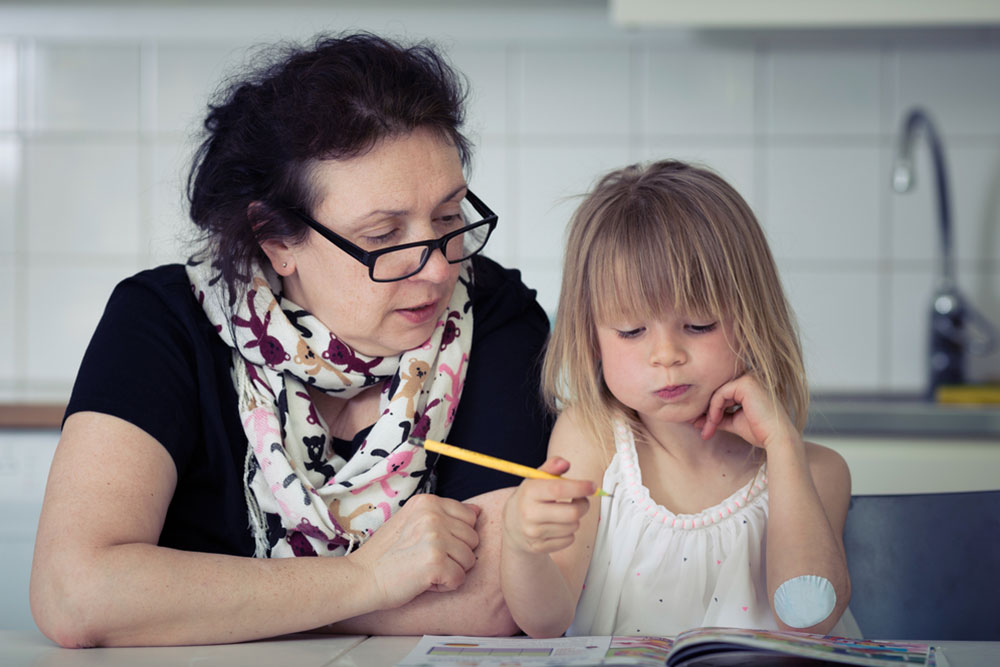
Educator's Role Teachers are essential in early childhood settings, similar to their roles in traditional schools. Their duties may include nurturing, guiding, and fostering close relationships with children. In programs for children with special needs, teachers often act as caregivers, while in academic-centered preschools, they follow structured teaching and assessment methods to track progress.
School Hours The duration of preschool programs varies according to curriculum types. Some private institutions offer shorter sessions, whereas public programs may run full days. Longer hours are often designed to support working parents.
Learning Through Hands-On Activities Emphasis is placed on activity-based learning rather than passive classroom instruction. Children engage in group projects, free play, storytelling, arts and crafts, and other tactile experiences that promote curiosity and knowledge. Routine activities like cleaning up, preparing snacks, or lining up teach responsibility.
Learning Via Play The lively atmosphere of preschools often involves laughter and play. Play is essential for social development, fostering friendships, resolving conflicts, sharing, and developing empathy. Such activities naturally cultivate vital life skills in young learners.