Meningitis Explained: Causes, Prevention, and Vaccination Strategies
This comprehensive guide explains meningitis, its causes, types, and how vaccines like MCV4 and MPSV4 help prevent its spread. It emphasizes the importance of vaccination, especially for high-risk groups, and offers essential precautions. An informative resource for understanding this serious condition, emphasizing prevention and timely treatment.
Meningitis Explained: Causes, Prevention, and Vaccination Strategies
Meningitis arises when the meninges surrounding the brain and spinal cord become inflamed, often due to bacterial, viral, or fungal infections. Other factors like injuries, tumors, or certain medications can also cause this condition. Accurate identification of the cause is vital for effective treatment. Types include bacterial, viral, fungal, amoebic, and non-infectious forms. Since the disease spreads via close contact or contaminated food, vaccination plays a crucial role in prevention. If exposure is suspected, healthcare providers may recommend antibiotics.
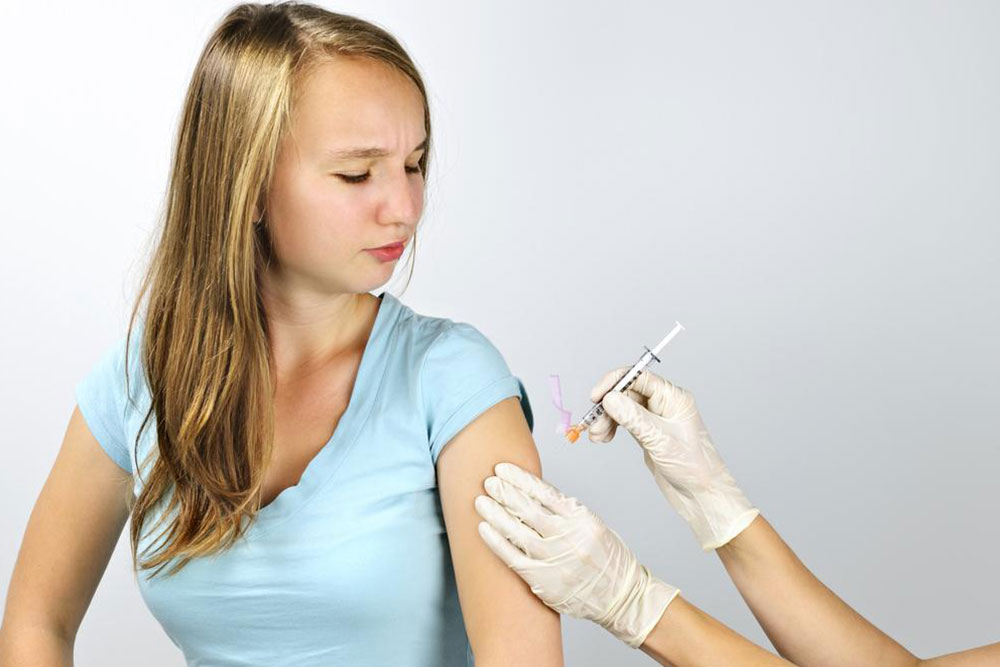
Preventive vaccines such as Meningococcal conjugate (MCV4) and Meningococcal polysaccharide (MPSV4) are highly effective. Vaccination against Haemophilus influenzae and pneumococcal bacteria offers additional protection. It is typically advised that children receive the MCV4 vaccine at age 11 or 12, with a booster at 16. High-risk groups like military personnel, college students, travelers, and lab workers should consider vaccination. Precautions include avoiding vaccination during illness or if allergic reactions have occurred previously. Serious side effects require prompt medical attention.
Note:
This article aims to provide useful health information. While efforts are made for accuracy, it should not replace professional medical advice. The website disclaims responsibility for any discrepancies or specific details related to individual health situations or vaccination programs.