Effective Approaches for Managing Rosacea Naturally and Medically
Discover effective natural and medical strategies to manage rosacea symptoms. From home remedies like essential oils, green tea, and aloe vera to clinical treatments and lifestyle changes, this guide offers comprehensive solutions for soothing irritated skin, reducing redness, and improving overall skin health. Learn how to incorporate these methods into your routine for better rosacea control and comfort.
Effective Approaches for Managing Rosacea Naturally and Medically
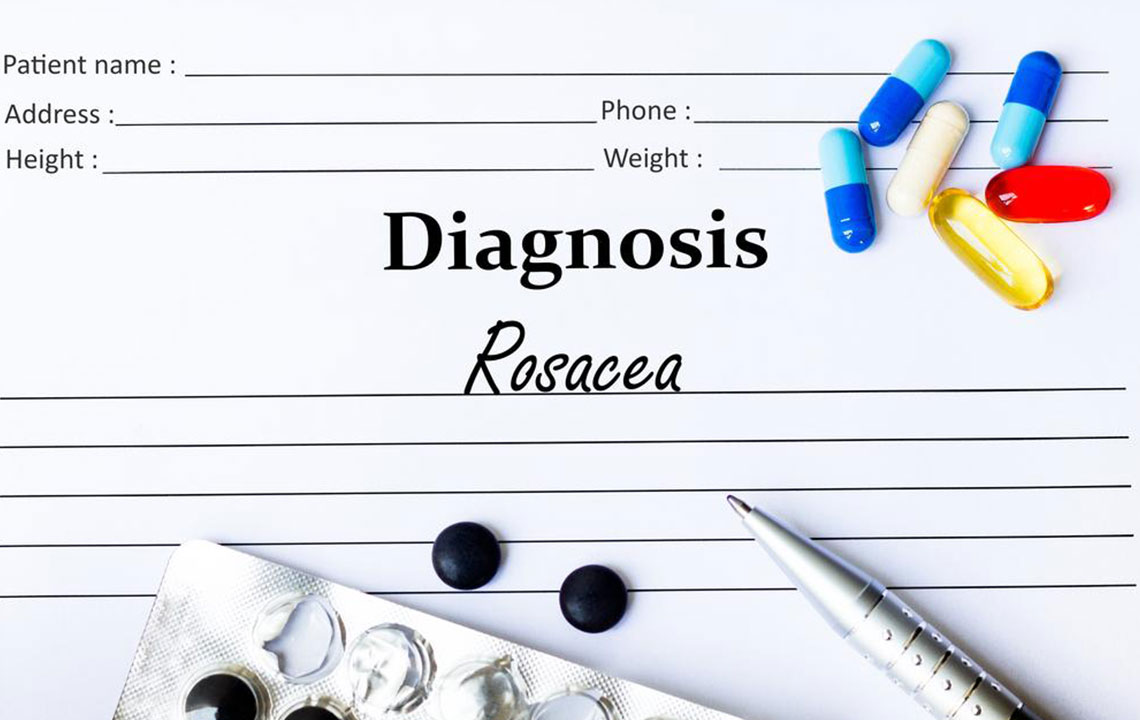
If your face shows persistent redness and visible blood vessels, you may be dealing with rosacea. Small, red bumps filled with pus can also occur. These flare-ups may come and go over time, often mistaken for allergies or acne. Although there's no permanent cure, symptoms can be effectively managed. What are the best strategies to control rosacea?
Home-Based Solutions for Rosacea
Use of Essential Oils
Melaleuca and Lavender oils are known for calming irritated skin caused by rosacea.
These oils contain anti-inflammatory agents that speed up healing. Mix a tablespoon of almond, coconut, or avocado oil with 2 drops of Melaleuca or Lavender oil in a roller bottle. Apply it to troubled areas before bed for soothing relief.
Green Tea for Symptom Relief
Brew green tea, refrigerate for 30 minutes, then soak a cloth in it and gently press on affected spots. The anti-inflammatory and antioxidant properties help diminish redness and swelling.
Consuming green tea regularly boosts antioxidant intake, helping fight skin inflammation.
Apple Cider Vinegar for Natural Care
Diluted apple cider vinegar, taken internally, helps balance pH levels and may reduce rosacea symptoms. Mix a teaspoon of organic vinegar in a glass of water with honey if desired, and drink. For external use, soak a cloth in a solution of 2 tablespoons of ACV in 8 tablespoons of water and apply to skin for 10 minutes before rinsing. It gently exfoliates and evens skin tone.
Colloidal Oatmeal Soothing Mask
Blend a handful of oats into a powder and combine with 1/4 cup water to create a paste. Apply to skin, leave for 20 minutes, then rinse with cool water. Oatmeal’s calming effects nurture sensitive skin.
Aloe Vera for Skin Recovery
Applying fresh aloe vera gel twice daily can significantly relieve rosacea symptoms. Consuming a tablespoon of aloe vera juice daily promotes healing. Its anti-inflammatory nature helps restore skin health.
Omega-3 Rich Flaxseed Oil
Taking a teaspoon of flaxseed oil three times daily provides fatty acids that combat inflammation, reducing redness and swelling.
Honey for Moisturizing and Healing
Honey’s natural humectant qualities keep skin hydrated without excess oil. Massage onto affected areas, leave for 20 minutes, then rinse for soft, moisturized skin.
Medical Treatments for Symptoms Control
Medications aim to control rosacea symptoms, with options like brimonidine to temporarily constrict blood vessels and lessen redness, often showing effects within hours. Oral antibiotics such as Doxycycline, Minocycline, or Tetracycline reduce bacteria and inflammation. Severe cases may need isotretinoin for rapid relief.
Clinically Approved Procedures
Laser therapy, electrosurgery, and intense pulsed light (IPL) are standard to diminish visible blood vessels and redness.
Adapting lifestyle habits can also aid management. Stress reduction through yoga or meditation decreases triggers. Avoid greasy, processed, and sugary foods, opting for anti-inflammatory options like broccoli, garlic, onions, turmeric, and ginger to support healthier skin.