Senior Emergency Response Devices: Types, Benefits, and Cost Insights
Explore essential emergency response devices for seniors, including types, benefits, and cost options. These tools enhance safety and independence, providing quick access to help during emergencies. Learn about device options, pricing, and insurance considerations to choose the best solution for senior safety and peace of mind.
Senior Emergency Response Devices: Types, Benefits, and Cost Insights
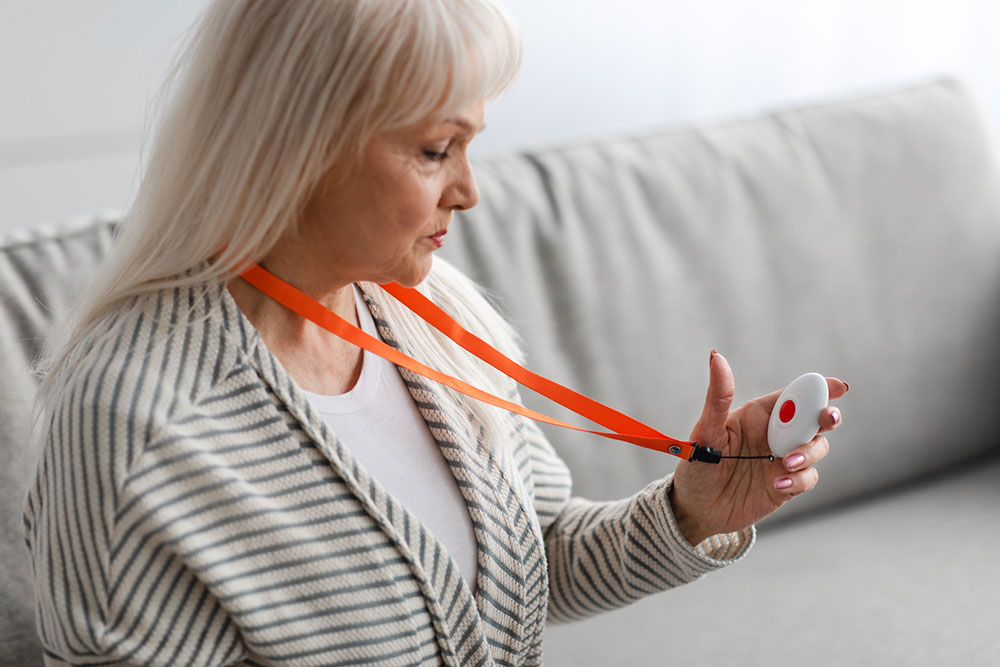
Many elderly individuals prefer to live independently, whether by choice or due to family members being away. While maintaining independence is important, health risks like falls or sudden illnesses are concerns. Emergency response devices, such as wearable panic buttons or conveniently placed call systems, enable prompt assistance during emergencies.
Purpose of Emergency Response Devices
Designed to support seniors living alone or unsupervised temporarily, these tools allow immediate contact with emergency services or caregivers when needed.
Known as personal alarms, remote alert systems, or emergency call buttons, these devices help seniors quickly reach help for falls, discomfort, or danger. They provide peace of mind for both seniors and their families, knowing assistance is readily available.
Categories of Emergency Devices
Options include portable devices like wristbands or necklaces, as well as fixed units such as wall-mounted buttons or pull cords for home use.
Basic alarms: Emit loud sounds to alert nearby individuals during emergencies.
Monitored systems: Connect to 24/7 monitoring centers that respond when activated.
Fall detection devices: Detect falls and immediately notify contacts or emergency services, either integrated or standalone.
GPS-enabled alarms: Help caregivers locate seniors accurately or approximately, enhancing response times.
Advantages of Emergency Response Devices
Long-lasting batteries ensure continuous operation, with many devices offering months of rechargeable power or long-term disposables. Quick detection can be crucial in accidents or health emergencies. These devices boost seniors’ confidence, fostering independence and reducing anxiety about accidents. Families benefit from monitoring features, activity logs, and instant help activation, ensuring peace of mind for caregivers.
Cost Details
Most systems are priced around $20 monthly, totaling approximately $240 yearly. Upfront costs range from $50 to $350, with extra charges for activation, programming, or optional features. Renting options are often available, with prices varying based on device capabilities and service plans.
Insurance and Payment Considerations
Traditional Medicare (Parts A & B) generally doesn't cover personal alert devices. However, options to reduce costs include:
Medicare Advantage Plans: May provide partial or full coverage, depending on the plan. Confirm with your provider.
FSA or HSA accounts: Can sometimes be used for device payments, depending on regulations post-retirement or Medicare enrollment.
Discounts and Promotions: Healthcare providers often run special offers, discounts, or trial periods that can help lower expenses.
It's best to explore different payment options and plan benefits before making a purchase.