Complete Guide for Responsible Television Disposal and Recycling
Learn how to responsibly recycle your television with this comprehensive guide. It covers proper disposal techniques, the benefits of recycling, items accepted, and safety tips to ensure eco-friendly and secure recycling practices. Reduce environmental impact and extend the lifespan of your electronics by following these essential steps and options for responsible disposal.
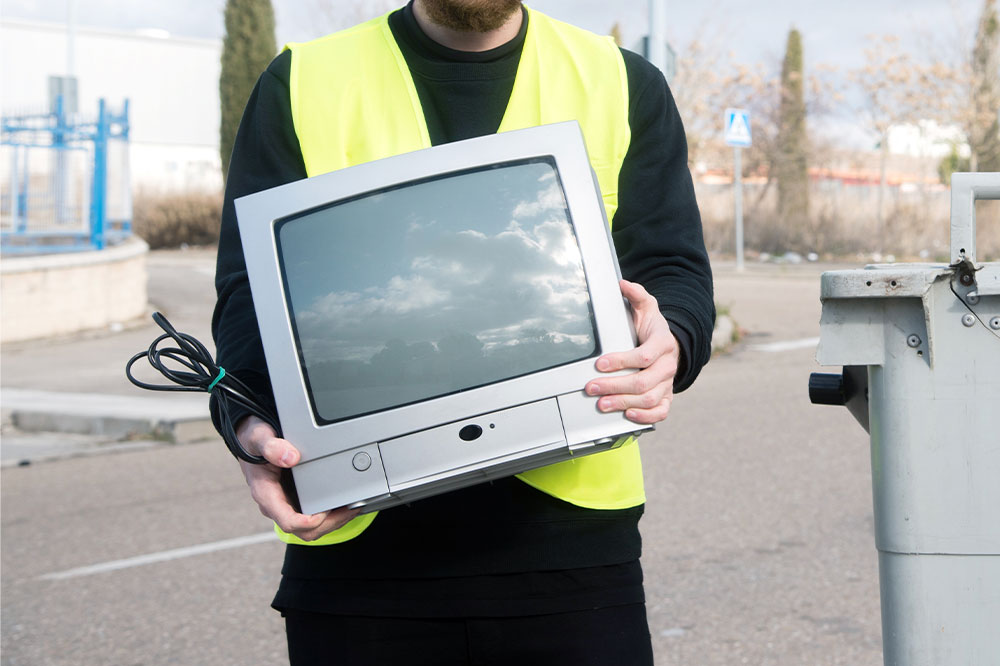
Electronic Waste Management: Special Focus on TVs
Recycling electronic appliances recovers essential materials such as plastics, gold, copper, aluminum, and steel, which can be reused in manufacturing new products. Data from EPA shows that one million discarded mobile phones can produce approximately 20 pounds of palladium, 20,000 pounds of copper, 50 pounds of gold, and 550 pounds of silver. While small gadgets like USB drives and smartphones dominate e-waste, larger electronics like televisions and computers account for substantial portions as well.
EPA reports highlight that big electronics contributed about 28% of global e-waste in 2014. Despite being a small part of municipal waste, e-waste is highly recyclable. Proper disposal supports environmental health, yet only 15–20% of e-waste gets recycled—most end up in landfills, risking ecosystem damage and human health. Discarded TVs alone hold around 70% of hazardous materials buried in landfills.
Your Participation in TV Recycling
Although smaller electronics like smartphones comprise most e-waste, large devices such as TVs form a significant share, increasing by about 20% since 2015. Consumer habits of replacing devices quickly add to environmental strain through manufacturing and disposal. You can shrink this impact by postponing new purchases, repairing devices, or reselling used electronics to extend their lifecycle.
Safe Disposal Methods for Large Electronics
Handle your TV carefully when transporting it to recycling centers. Damaged units may leak toxic substances harming humans and the environment. Verify if the TV still works; if so, consider donating it to charities. Many stores offer trade-in options for store credits, and some recycling facilities accept electronics free of charge—always check for any applicable fees based on size or type. Recycling benefits the environment and may provide tax benefits.
Items Commonly Recycled for Free
Accessories such as cables, remotes, DVD players, media devices, and connectors are often recyclable at no cost. Smaller TVs—under 32 inches—or flat-panel models less than 50 inches may carry fees for recycling. Special facilities handle large electronics with hazardous components like mercury, charging fees to ensure secure disposal.
Steps to Prepare Your Electronic Devices for Recycling
Environmental recycling is beneficial but requires careful prep. Before submitting your TV for recycling, erase all personal data from connected devices and storage media. Remove batteries separately and take them to designated centers to prioritize safety and privacy.