Signs, Differences, and Treatment Strategies for Joint and Bone Diseases
This article explores joint degeneration and osteoporosis, highlighting symptoms, differences, and treatment options. Recognizing early signs and seeking timely medical care can help manage these common conditions effectively. Personalized strategies, including medications, physical therapy, and surgery, are discussed to improve patient outcomes.
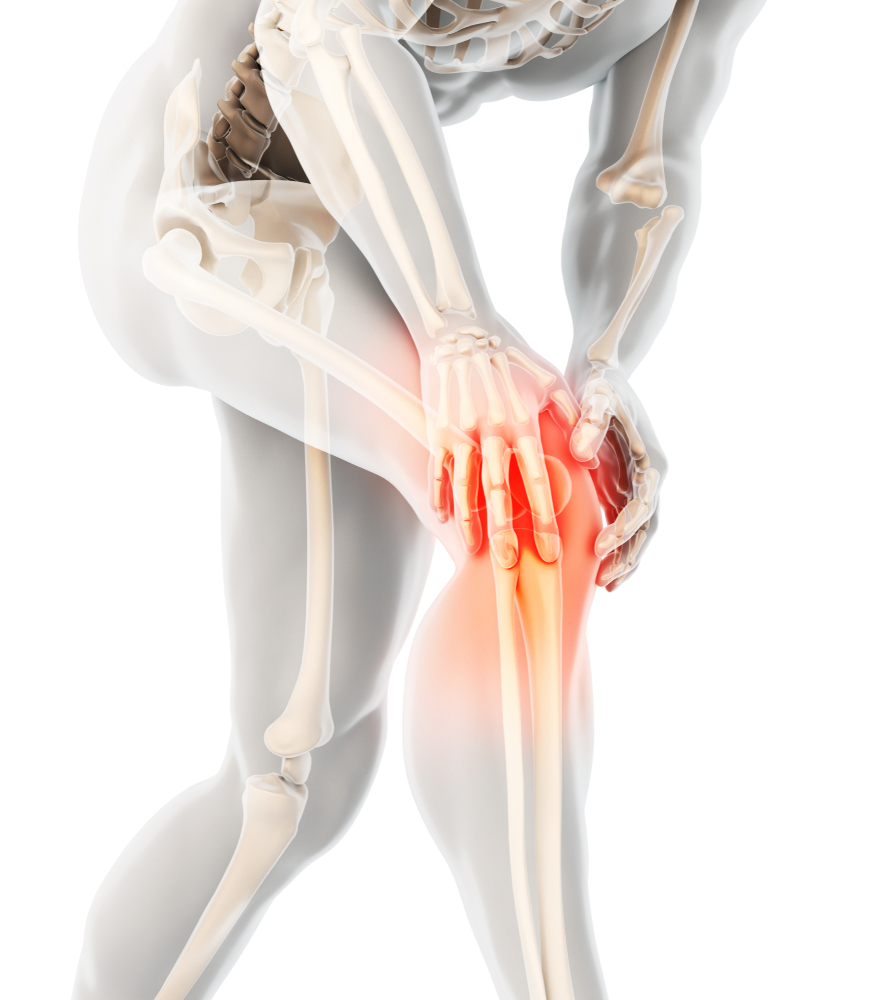
Signs, Differences, and Treatment Strategies for Joint and Bone Diseases
Joint degeneration, often known as osteoarthritis, is a widespread condition that hampers mobility and causes joint discomfort. It predominantly affects older adults, making awareness of its symptoms and management options crucial.
Why are joints primarily affected?
Joints rely on a smooth cartilage layer that facilitates easy movement. Damage to this cartilage or associated structures like tendons leads to osteoarthritis. Factors such as injuries and ongoing wear and tear often accelerate this deterioration.
People commonly experience symptoms like joint pain, swelling, stiffness, and bony growths called spurs. These issues often occur in hips, knees, hands, and spine. Early medical consultation is key if these signs appear.
Management options include regular exercise, pain relievers, physical therapy, and in advanced cases, surgical procedures. Personalized treatment plans are essential, while surgery is generally a last resort when damage is irreversible.
How can you differentiate osteoarthritis from osteoporosis?
Though both conditions affect bones and joints, they are distinct.
Osteoarthritis damages joint tissues, resulting in pain and stiffness.
Osteoporosis weakens bones, making them fragile and fracture-prone.
Osteoporosis affects about 54 million individuals, especially in the hips, wrists, and spine, often due to genetics, autoimmune issues, or cancer. While symptoms may overlap, treatment differs, with medications and mobility exercises being common approaches. Early detection and management are vital to prevent serious complications. Consult a healthcare professional if symptoms arise.