Understanding Public Access Certification for Assistance Dogs
This guide explains the essentials of obtaining public access certification for service dogs under ADA regulations. It covers the training requirements, specific commands, and behavior standards necessary for certification. The article emphasizes the importance of well-behaved service animals in public spaces and offers practical tips for handlers to train their dogs effectively. Understanding these guidelines helps ensure that assistance dogs can safely and confidently support their owners while complying with legal standards.
Understanding Public Access Certification for Assistance Dogs
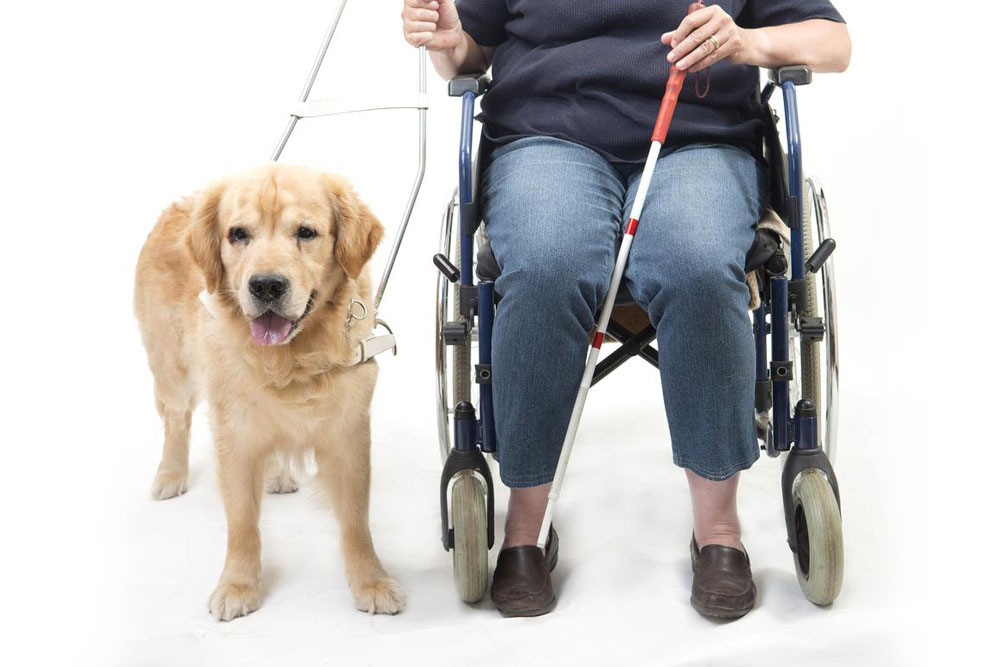
According to the Americans with Disabilities Act (ADA), service animals are trained to carry out specific tasks that aid individuals with disabilities. These animals are permitted in various public places such as housing facilities, hotels, dining establishments, airports, and cultural sites, provided they behave appropriately and stay calm around others. Securing a service dog certification involves passing a Public Access Test, which verifies that the dog is safe and controllable. Aggressive or unruly behavior leads to disqualification.
If your dog meets the established standards, it may earn certification.
The training commands are designed for dogs on a leash, but off-leash dogs can still qualify if they display non-disruptive conduct.
Commands can be communicated through voice, hand signals, or a combination of both. Some handlers train their dogs independently to address their specific disability needs.
Immediately sit when commanded: The dog should respond promptly to sit cues.
Doorway navigation: When entering a building, the dog must stay close, walk quietly beside you, and avoid seeking attention.
Heeling in confined spaces: The dog should walk within a foot of you, maintaining calmness and avoiding unnecessary interactions in crowded areas.
In dining settings: The dog should sit discreetly either under the table or near your feet.
Response to sounds: The dog should remain relaxed and not react with aggression to noises; it is acceptable if they startle but should not show hostility.
Getting out of vehicles: The dog must wait for your command before exiting, avoiding running around or ignoring instructions.